







A Franchise Built on Rivalry
For fans of Broken Lizard’s cult-classic comedy, the formula is as comforting as a liter of cola. The original “Super Troopers” and its sequel were built on a simple, effective premise: our lovable, prank-obsessed Vermont State Troopers versus a rival
law enforcement agency. Whether it was the Spurbury Police Department or Canadian Mounties, the external conflict provided the perfect backdrop for team-based shenanigans, escalating prank wars, and a clear “us vs. them” mentality. This structure allowed the troopers to unite against a common foe, reinforcing their dysfunctional family dynamic while delivering the gags. It’s the framework audiences came to expect, making the pivot in the third film all the more surprising.
Avoiding the Sequel Trap
The greatest enemy of any comedy franchise isn't a rival police force; it's repetition. Many comedy sequels fail by simply re-running the original plot with a slightly bigger budget. By moving away from another turf war, the Broken Lizard crew seems to be actively avoiding this pitfall. Instead of finding another department to antagonize, “Super Troopers 3” turns the conflict inward. The core tension is no longer about jurisdiction, but about the team's personal relationships. This move suggests a desire to mature the storytelling without losing the signature immaturity of the characters themselves. It’s a gamble that prioritizes character evolution over formulaic re-enactment, aiming to keep the franchise feeling fresh more than two decades after its debut.
A More Personal Brand of Chaos
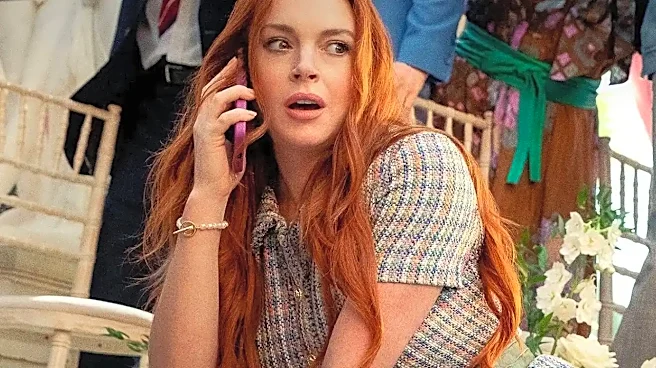
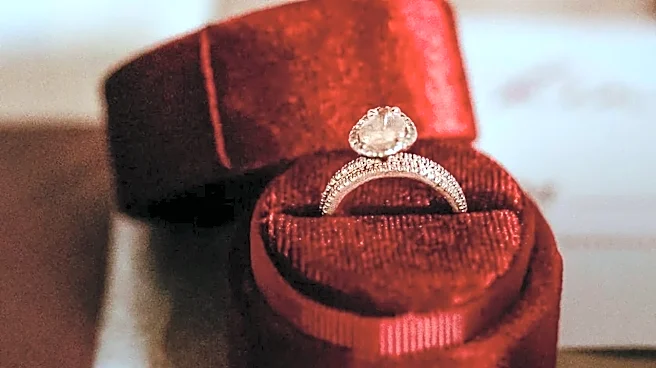
The new film’s premise centers on the most unlikely of events: the boorish, loud-mouthed Rod Farva is getting married. Not only that, he’s engaged to the sister of his longtime rival within the group, Thorny Ramathorn. This instantly transforms the central conflict from a professional rivalry into a deeply personal, internal one. Thorny's mission is no longer to bust a drug ring or outsmart other cops, but to stop his sister from marrying the most obnoxious man he knows. This creates a new dynamic, pitting trooper against trooper in a way that feels more intimate and potentially more hilarious than another inter-departmental feud. The wedding itself—an over-the-top Indian ceremony that Farva enthusiastically embraces—provides a rich new setting for cultural-clash comedy and character-driven mayhem.
Growing Up, Not Old
This new direction also allows the film to explore themes of middle-aged anxiety and arrested development. The troopers are older now, and the engagement forces them to confront their own life choices. While the film still features a parallel plot involving a drug-smuggling operation, the primary focus is on the personal drama. By making Farva—long the group's most extreme and one-dimensional member—the catalyst for the story, the filmmakers are able to mine new comedic depths from his personality. The plot is driven by his absurd romance, which reportedly begins after he rescues his future fiancée from a car accident, leading the other troopers to debate what kind of psychological syndrome could possibly be at play. It's a way to let the characters evolve, or at least react to the illusion of evolution, providing a new engine for the comedy that a simple police rivalry could no longer offer.