







From the Locker Room to the Auction House
In the high-stakes world of art and antiques, the word “provenance” is everything. It’s the documented history of an object—a chain of ownership that proves its authenticity and significance. Now, that same concept is taking over the booming market for
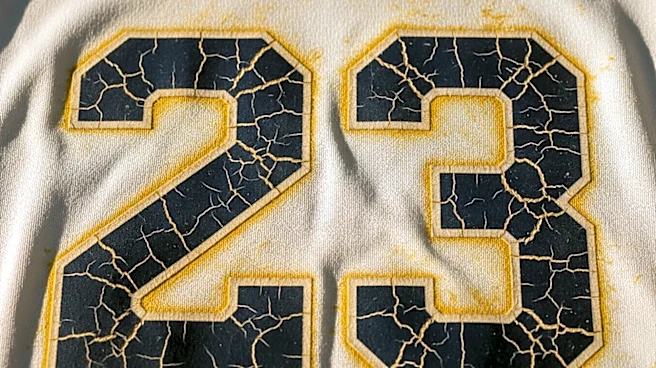
vintage sports apparel. Dealers are no longer just selling old jerseys; they are curating collectibles with a documented past. Language that was once reserved for Picasso paintings is now used to describe a Michael Jordan jersey, detailing its journey from the player's back to the present day. This isn't merely marketing fluff; it’s a framework for establishing value, separating a common replica from a high-five-figure piece of sports history.
More Than Just a Faded Logo
So why the sudden shift? It’s driven by a maturing market and a new wave of collectors who view these items as more than just nostalgic clothing. For many, a game-worn jersey or a player-issued jacket is a tangible piece of a legendary moment. The language of provenance helps sell that narrative. Describing a jersey as “photo-matched” to a specific championship game or having a documented history from a player’s personal collection transforms it from apparel into an artifact. This detailed storytelling provides historical context, boosts buyer confidence, and ultimately justifies the increasingly astronomical prices seen at auction. It’s a recognition that in a market flooded with fakes, a good story backed by evidence is the ultimate mark of authenticity.
The Billion-Dollar Nostalgia Market
The sports memorabilia market is experiencing explosive growth, with some estimates projecting it to be worth hundreds of billions of dollars within the next decade. This surge is fueled by Gen X and Millennial collectors with disposable income, a hunger for nostalgia, and an interest in alternative assets. For this audience, a 1990s Champion basketball jersey or a satin Starter jacket isn't just a retro fashion statement; it's an investment. As the market professionalizes, the demand for clear standards of verification has grown. Authentication services and detailed provenance records provide the market stability and transparency needed to treat a rare jersey like a blue-chip stock, attracting serious collectors who demand proof of an item's pedigree before they invest.
What This Means for the Average Fan
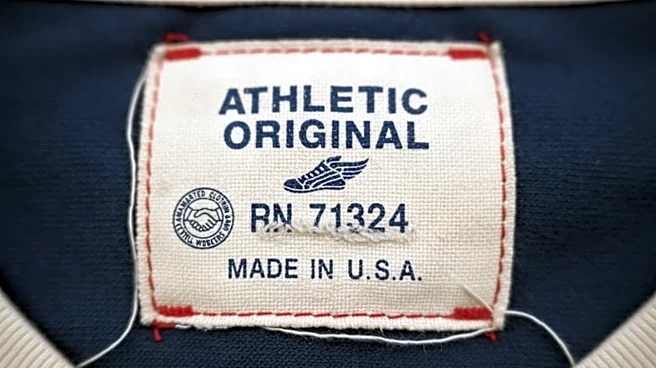
For casual fans, this trend might seem esoteric, but its effects are trickling down. The emphasis on authenticity is making buyers more discerning at all levels. People are learning to check for era-specific tags, correct stitching, and appropriate fabric weight to avoid sophisticated fakes. While you might not be in the market for a six-figure, game-worn jersey, the language of provenance is teaching everyone to look closer. It encourages an appreciation for the history and craftsmanship of the items themselves. The distinction between a “player-issued” jersey and a standard retail version now matters, not just to high-end dealers, but to a growing community of educated fans who want to own a genuine piece of their team's legacy.