
The Runway as a Creative Laboratory
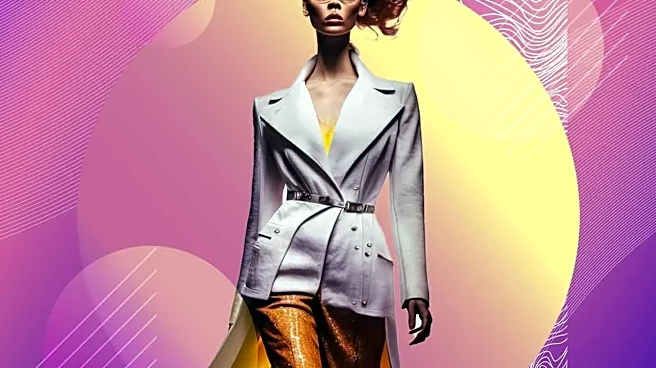
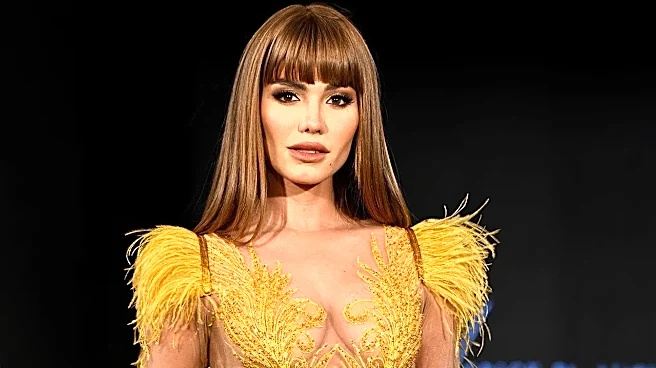
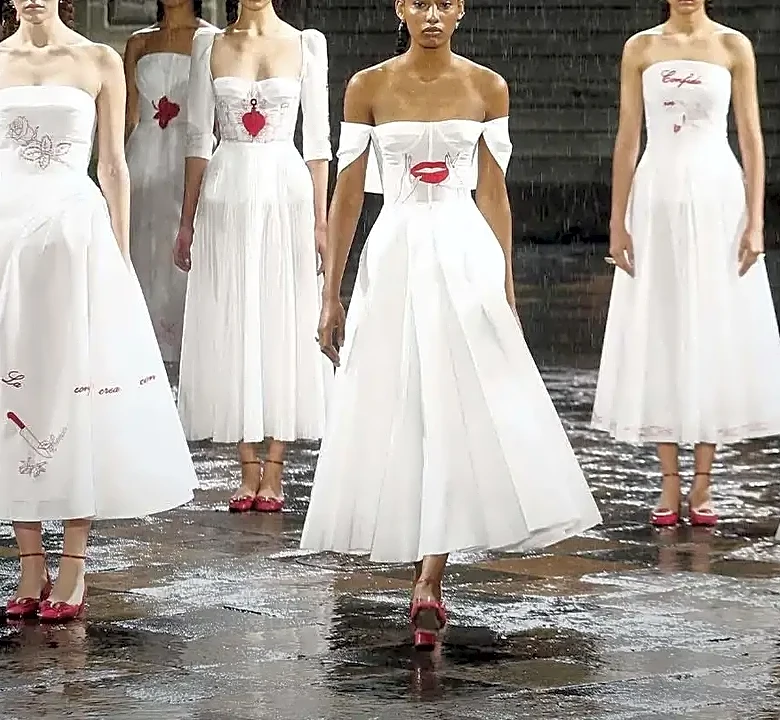
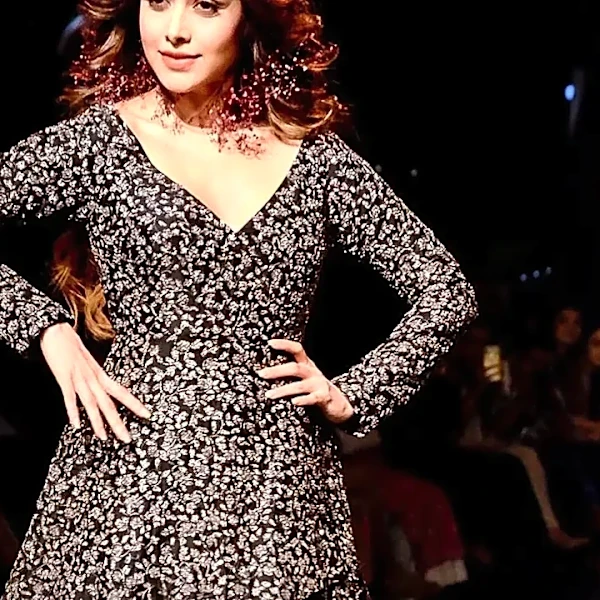
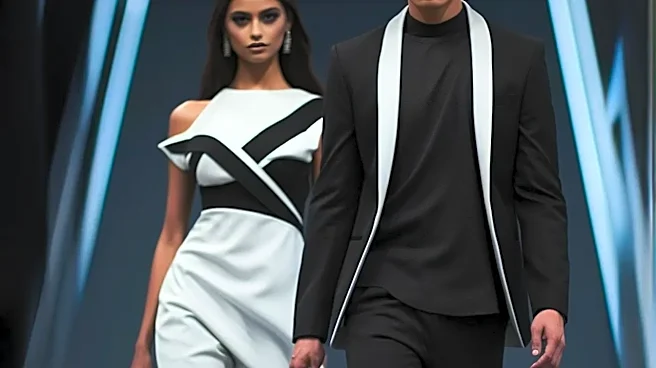
First, it helps to think of the runway not as a store, but as a laboratory. The extreme silhouettes, conceptual materials, and avant-garde styling seen in a show aren't necessarily meant to be worn straight off the catwalk. Much like concept cars at an auto
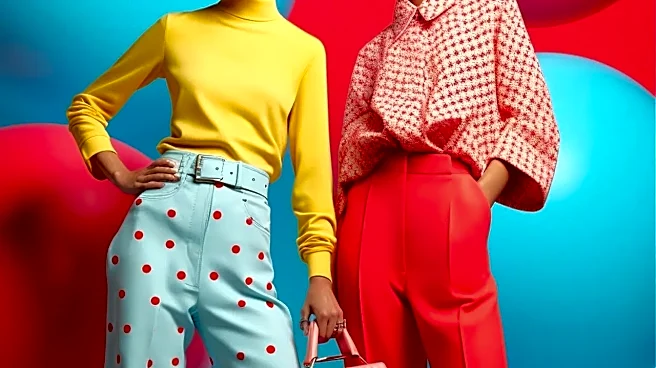
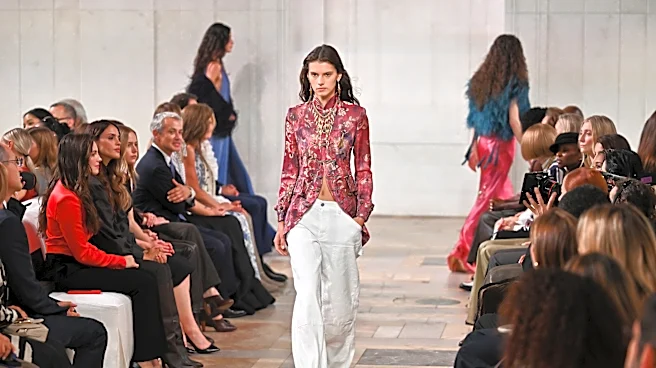
show, these pieces are about showcasing a designer's pure vision, technical skill, and the overarching mood of the collection. For Spring/Summer 2027, designers are exploring everything from the soft, undone romance seen at Ralph Lauren to the sharp, cropped jackets and voluminous barrel-leg pants dominating street style. These runway looks are distillations of an idea; the novelty is the point, communicating a theme that will later be translated into more practical, wearable garments for retail.
The Power of Context and Community
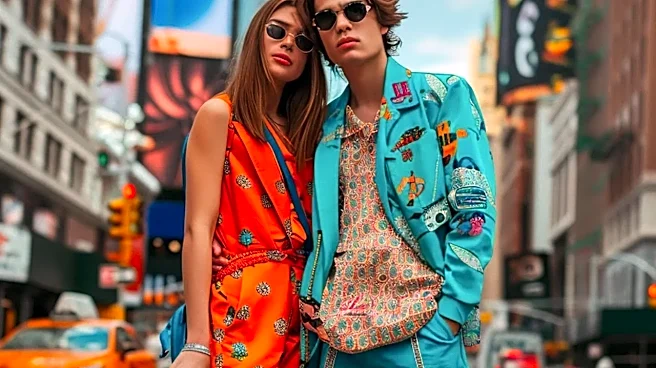
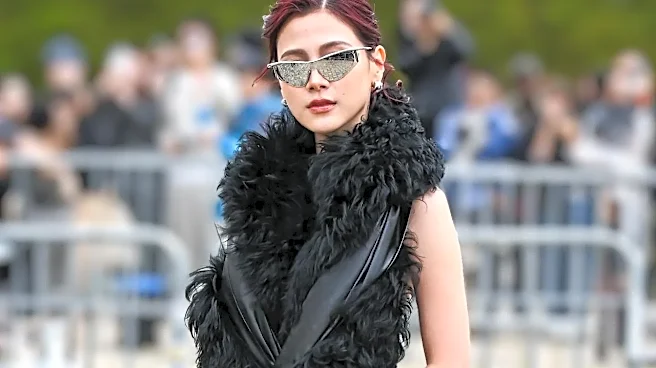
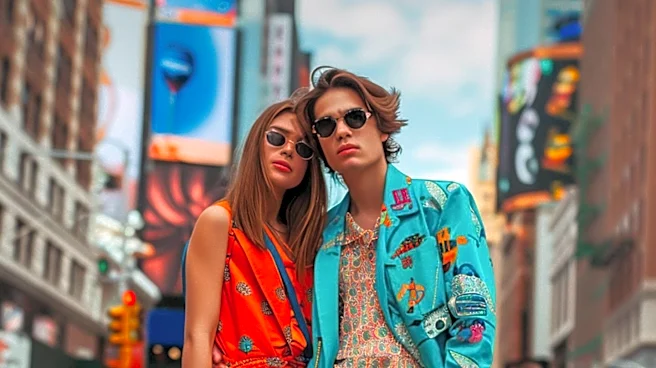
An outfit that feels outlandish in a cubicle or at the grocery store can feel completely appropriate when you're surrounded by thousands of other people who are also there to celebrate fashion. NYFW creates a temporary, self-contained world where the normal rules of dress are suspended. When attendees, from celebrities and editors to students and fans, all embrace a more expressive and daring approach to style, it shifts the baseline for what feels normal. The psychology of this is powerful; being in a community where creativity is the shared language gives everyone permission to experiment. Suddenly, an architectural bag or a pair of jorts styled with a blazer doesn’t feel weird; it feels like participating in a collective cultural moment.
Peacocking for the Digital Age
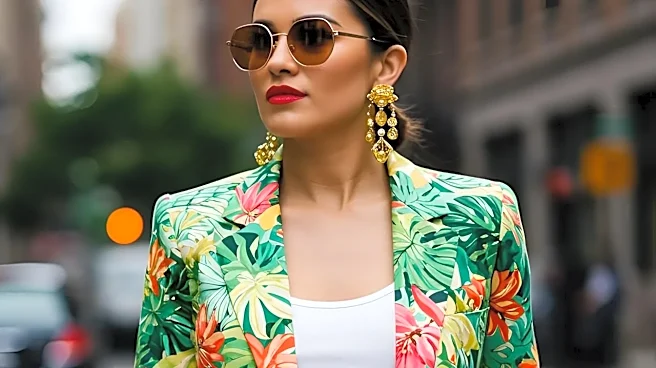
In 2026, Fashion Week is as much a media event as it is a trade show, and novelty is the ultimate currency. The explosion of social media has turned the streets outside the shows into a second runway, where the primary audience is online. Influencers and attendees often craft eye-catching, unique looks specifically to be photographed and shared on platforms like TikTok and Instagram. A novel outfit is more likely to go viral, bringing attention to both the wearer and the brands they feature. Brands now actively partner with creators, giving them backstage access or even a spot on the runway, understanding that their real-time content creates a wave of excitement that traditional media can’t match. That wild outfit isn't just a personal choice; it's a strategic piece of content creation.
A Temporary Escape From the Everyday
Ultimately, the power of novelty at Fashion Week comes from its fleeting, escapist nature. For one week, dressing becomes a form of performance art and play. It's an opportunity to embrace a different facet of your personality—the one that isn't concerned with practicality or fitting in. Research on the psychology of clothing, sometimes called "enclothed cognition," shows that what we wear can genuinely affect our mood and confidence. Dressing in an expressive, novel way can be a tool to shift your mindset, making you feel more creative, confident, and present. Fashion Week provides a sanctioned space to explore that feeling, allowing attendees to tap into a more imaginative version of themselves before returning to the realities of daily dress.