




An Emphasis on Form and Silhouette
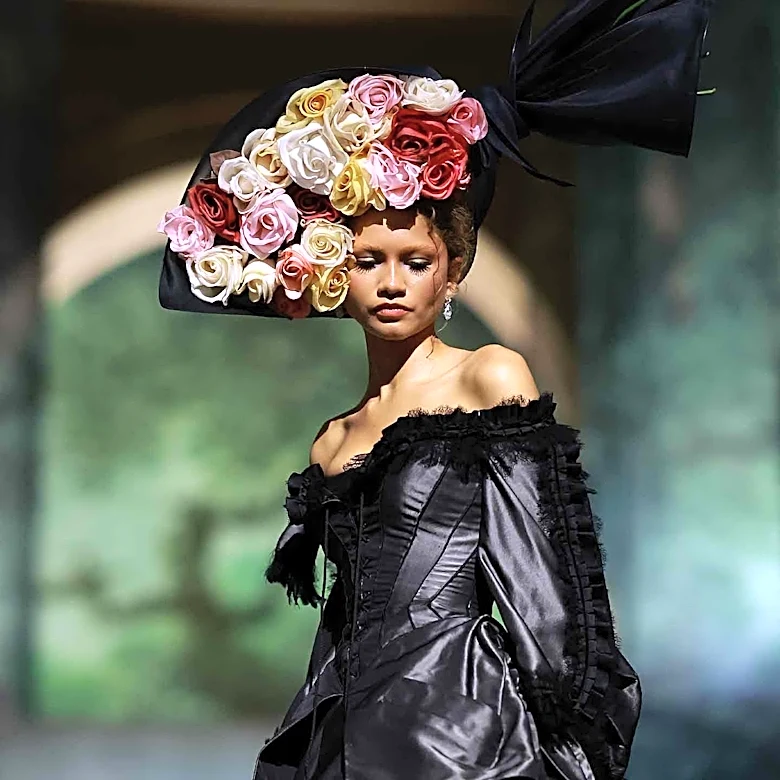
When Taylor Russell steps onto a red carpet, the conversation is often about shape. Consider her appearances in dramatic, architectural pieces from Loewe, Balenciaga, or Schiaparelli—garments that command space not through sparkle, but through their very
structure. A custom Loewe look for the 2023 Fashion Awards featured a sculptural, rigid top that seemed molded to her body, while a Schiaparelli couture outfit for a film festival included an elongated, boned corset that redefined her silhouette entirely. This focus on form over ornamentation finds a direct echo in Danish design. Think of Arne Jacobsen's iconic Egg Chair. Its power comes from its distinct, all-encompassing curved shape. Like Russell's boldest fashion moments, the chair's impact is derived from its silhouette. Danish modern furniture is celebrated for clean lines, organic curves, and forms that are often sculptural yet restrained, prioritizing the overall shape above all else.
Material Honesty and Craftsmanship
Danish design philosophy holds a deep respect for materials. Designers like Hans Wegner were masters of wood, creating pieces where the natural grain and texture of teak, oak, or walnut were integral to the final product. The craftsmanship is often left visible, not to show off, but to honor the construction and the material itself. This same principle of "material honesty" can be seen in Russell's wardrobe. She and her stylist, Ryan Hastings, frequently select looks where the fabric and construction are the main event. A vintage Vivienne Westwood dress showcases masterful draping; a pleated Schiaparelli gown moves like a living sculpture, its texture doing all the talking. One Chanel dress famously required 900 hours of work and 70,000 embroidery elements, a testament to extreme craftsmanship. In both the furniture and the fashion, the material isn't just a medium—it's a core part of the story.
The Power of Understated Drama
Neither Taylor Russell’s style nor Danish design is known for being loud. The appeal isn't in flashy logos or overwhelming embellishment. Instead, both achieve a sense of drama through quiet confidence and thoughtful execution. Danish design is often described with words like simplicity, elegance, and functionality. It doesn't shout for attention, but its masterful proportions and human-centered approach give it a powerful presence in any room. Russell's red-carpet aesthetic operates in a similar way. Even when wearing something conceptually bold, like jeans paired with a Tom Ford-era Gucci bolero, the look is grounded and chic, not chaotic. She embodies an elegance built on simplicity and confidence, letting the cut of a garment or a single, perfect accessory make the statement. This approach is about creating a lasting impression through intelligence and restraint, rather than through fleeting, noisy trends.
Human-Centered, Not Trend-Obsessed
At its heart, Danish design is human-centered. Furniture is scaled to the human body, designed for comfort and daily life. This philosophy, which prioritizes the user's experience over abstract trends, finds an interesting parallel in Russell's fashion choices. Her looks, while often avant-garde, rarely feel like costumes. She wears the clothes with an ease and ownership that suggest they were chosen for her, not just for the spectacle. There’s a sense that her wardrobe is an extension of her personality—thoughtful, artistic, and quietly confident. This approach stands in contrast to trend-chasing, instead favoring pieces with longevity and personal resonance. It's a focus on quality over quantity and on authentic self-expression, principles that Danish designers have championed for decades.