




The Age of the Safe Suit
Wind the clock back to the 1980s and '90s, and the NBA Draft looked more like a corporate job fair than a primetime television event. When a young Michael Jordan or Patrick Ewing walked across the stage to shake Commissioner David Stern’s hand, they were
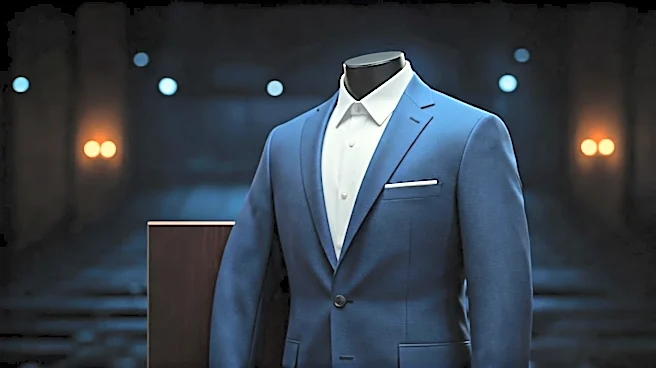
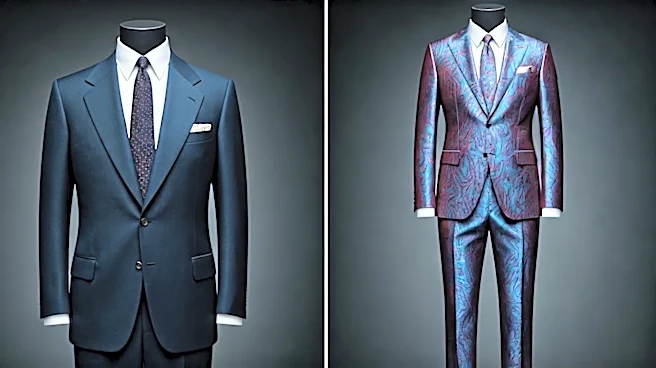
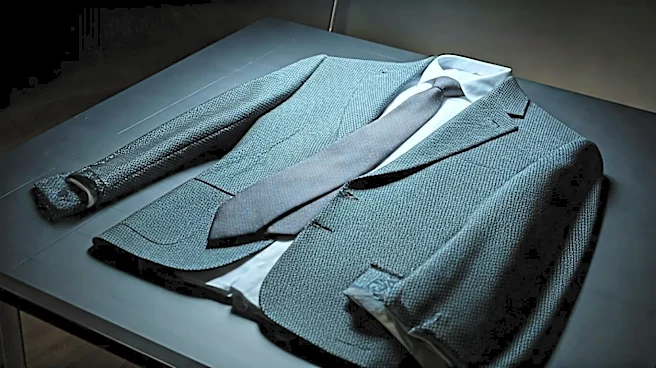
dressed for the job they wanted. The uniform was simple: a conservative, well-fitting (by the era's standards) suit. The goal wasn’t to stand out, but to fit in. Draftees were advised to project maturity, professionalism, and reliability. Their suits were meant to tell team owners and potential endorsement partners, 'I am a serious professional, ready for business.' The palette was a sea of navy, gray, and black. A flashy tie was about as wild as it got. Fashion was an afterthought; the suit was a symbol of compliance and an entry ticket into the professional world.
The 2003 Draft and the Baggy Revolution
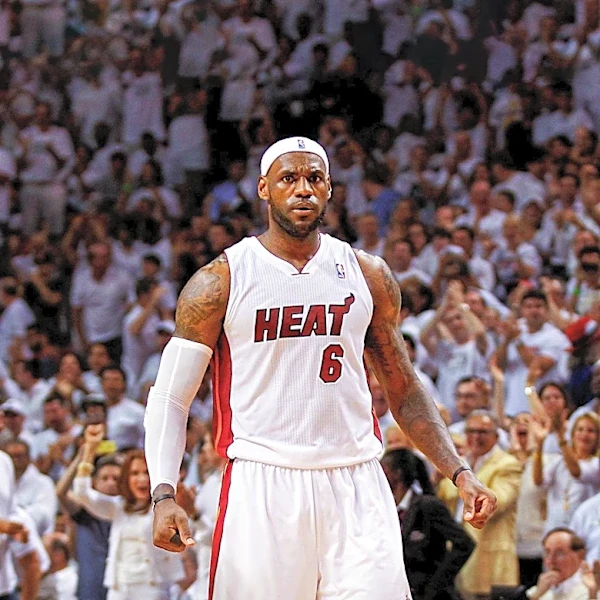
Then came 2003. The single most important draft class in modern NBA history—featuring LeBron James, Dwyane Wade, Carmelo Anthony, and Chris Bosh—didn’t just change the league on the court. They blew up the dress code. The iconic image from that night is LeBron’s all-white, impossibly baggy suit. It was a declaration. This wasn’t a timid request to join the corporate world; it was a takeover. Influenced by the peak of hip-hop culture, where oversized clothing signified status and swagger, the 2003 class opted for suits that draped, flowed, and outright defied the concept of tailoring. While lampooned for years, these looks were a pivotal cultural moment. They represented a new generation of player-empowerment, one that prioritized personal identity and cultural roots over conforming to an older generation’s idea of respectability. The boardroom suit was officially dead.
The Rise of the Stylist
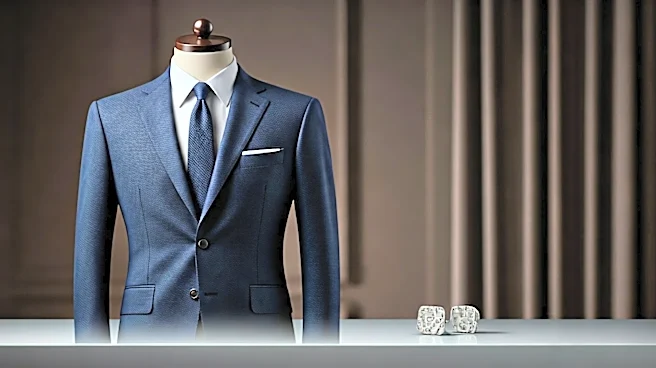
The baggy suit era was a necessary, if awkward, adolescence. As the league’s marketing power exploded and players began to understand themselves as global brands, a new professional entered the picture: the stylist. The shift from DIY-fashion to curated looks marked the next phase of the evolution. Players like Russell Westbrook, who turned pre-game tunnel walks into his personal runway, demonstrated that fashion could be a powerful tool for branding. Suddenly, the draft night outfit wasn't just a suit; it was a strategic asset. Stylists like Rachel Johnson and Kesha McLeod became kingmakers, helping rookies craft a narrative before they ever played a minute of professional basketball. The suit was now meticulously tailored, the fabric was chosen with purpose, and every accessory, from the watch to the lapel pin, told a story. It was no longer about looking 'professional' in a generic sense, but about launching 'Brand Me.'
Today's High-Fashion Playbook
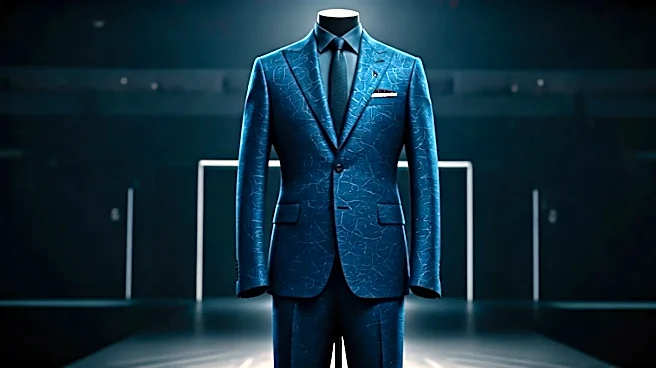
Today, we are in the era of full-blown athlete couture. The modern NBA draftee’s outfit is a bespoke creation, often from a high-fashion house or a custom designer. We see prospects in shimmering, custom-dyed suits, shirtless looks under bold jackets, and outfits with deeply personal touches, like jacket linings printed with family photos or hometown maps. Top picks like Victor Wembanyama arrive in striking, avant-garde ensembles that generate as many headlines as their projected stats. This isn't just about looking good; it’s a calculated display of confidence, creativity, and marketability. The suit is a conversation starter, an Instagram moment, and the first piece of evidence that this player understands the entertainment and business ecosystem they are about to dominate. It's a visual mission statement, announcing to the world not just what kind of player they will be, but what kind of icon they intend to become.