



In 1978, a tiny independent film, made for about $300,000, terrified audiences and grossed around $70 million. It wasn’t just a hit; it was a phenomenon. How did 'Halloween' become the blueprint for modern horror and a box office legend?
An Idea Born from Scrappy Ambition
The story began
with independent producer Irwin Yablans, who wanted to make a scary movie about a killer stalking babysitters. He approached a young director named John Carpenter, whose previous film, 'Assault on Precinct 13,' had impressed him. Yablans suggested setting the story on the spookiest night of the year, and a title was born: 'Halloween'. Carpenter and his then-girlfriend, Debra Hill, wrote the script in roughly ten days. They secured a shoestring budget of around $300,000 from financier Moustapha Akkad, who was reportedly convinced by Carpenter's confident, frame-by-frame verbal pitch of the story. Carpenter agreed to a modest fee in exchange for creative control and a percentage of the profits—a deal that would prove incredibly lucrative.
Maximum Terror from Minimalist Tools
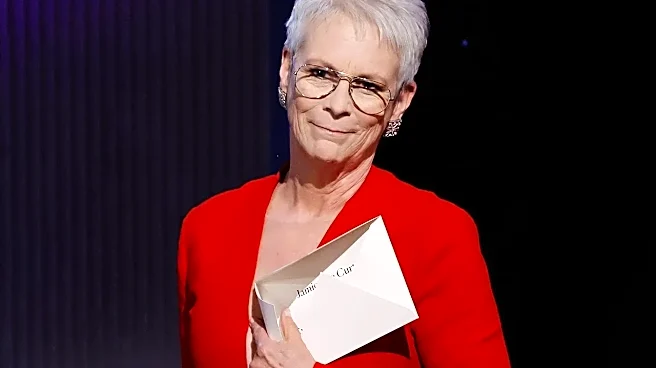
The minuscule budget forced the crew into remarkable creativity. The cast, including a debuting Jamie Lee Curtis, bought their own costumes from stores like JCPenney for less than a hundred dollars. The iconic, emotionless mask worn by killer Michael Myers was a modified Captain Kirk mask purchased for under $2. Production designer Tommy Lee Wallace widened the eyes and painted it a ghostly white, creating one of horror's most recognizable faces out of literal pocket change. To create the illusion of an Illinois autumn while filming in Southern California in the spring, the crew had to paint fake leaves brown and reuse them for different scenes. These limitations didn't hinder the film; they defined its raw, grounded aesthetic.
The Carpenter Method: Sight and Sound
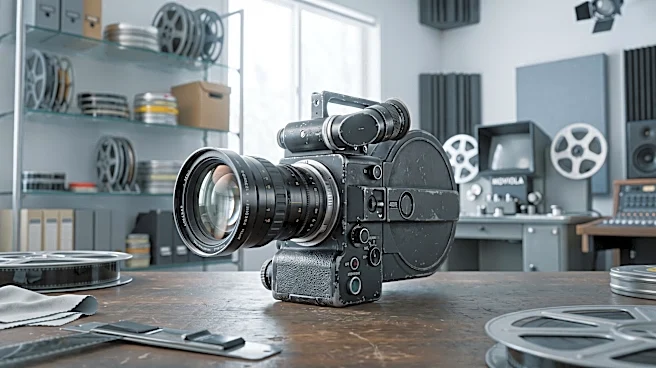
John Carpenter's genius was in elevating these simple ingredients. He insisted on shooting in widescreen Panavision, a choice unheard of for a low-budget horror flick, giving the film a sense of scale and dread. This allowed him to use the edges of the frame, making audiences scan the shadows for 'The Shape'. He also made pioneering use of the new Steadicam technology (a Panaglide rig), creating long, smooth, voyeuristic shots from the killer’s point of view that implicated the audience in the terror. But perhaps his most crucial contribution was the score. When an executive watched a cut without music and said it wasn't scary, Carpenter, a self-taught musician, composed the entire soundtrack in just a few days. The main theme, a simple piano melody in an unsettling 5/4 time signature he learned from his father, became instantly iconic and is largely credited with creating the film's unbearable suspense.
Building a Legend, One Scream at a Time
Unlike today's blockbusters that open everywhere at once, 'Halloween' had a slow, strategic release. Major studios had rejected it, so Yablans distributed it himself, starting in Kansas City in October 1978. The film didn't explode overnight. Instead, it built its reputation through word-of-mouth. Positive reviews and screaming audiences created a buzz that spread from city to city as the physical prints of the film were 'bicycled' around the country. This platform release strategy allowed the legend to grow organically. By the time it reached major markets like New York, it was a bona fide event. The film's suspense-over-gore approach, its creation of the 'final girl' archetype in Laurie Strode, and its terrifyingly motiveless villain tapped into a primal suburban fear, solidifying its place in cinema history. In 2006, the Library of Congress selected it for preservation in the National Film Registry, cementing its status not just as a hit, but as a culturally significant work of art.