
The Festival Urge for 'More'
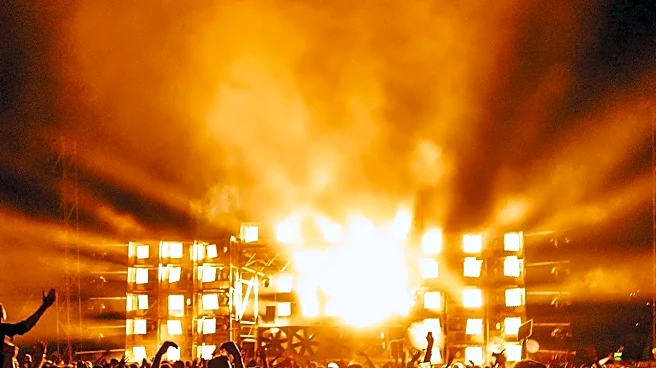
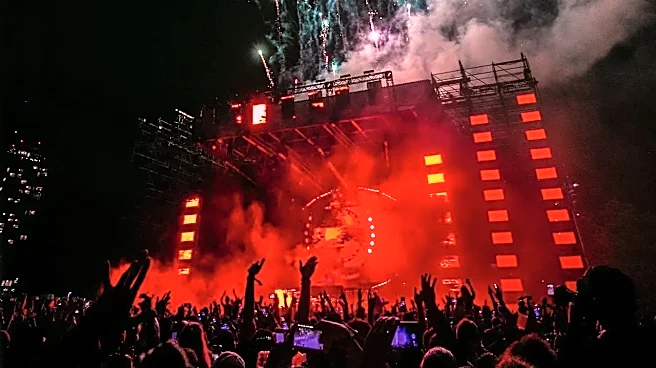
Think of a 'festival showstopper' and your mind likely goes to a very specific place: a massive stage, dazzling lights, and tens of thousands of people singing one enormous, anthemic chorus back at a global superstar. It’s the formula for Coachella, Lollapalooza,
and countless others. The goal is communal catharsis on the grandest scale possible, a moment so big it’s visible from the back fence. This arms race of amplification and spectacle has created its own logic. Success is measured in crowd size, decibel levels, and the number of phones in the air. The perfect festival song, in this context, is one built for a stadium, even if it's being played in a field. It needs a simple, repeatable hook that a sun-drenched, distracted crowd can latch onto instantly. It’s effective, but it’s also a default setting that can sometimes prize scale over substance.
The Newport Counter-Argument
Newport, however, has always played by a different set of rules. From its beginnings in 1959, the festival has prioritized songwriting and authenticity above all else. It's the hallowed ground where Bob Dylan went electric, where Joan Baez made her debut, and where surprise collaborations are the currency of legend. While it has certainly expanded to include a wider range of genres beyond pure folk, its soul remains in the story, the lyric, and the direct connection between artist and audience. This is a place where fans buy tickets months before a single name is announced, trusting the curation to deliver not just big names, but important ones. It’s a festival that practically demands you lean in and listen closely, creating the perfect environment for a different kind of showstopper to emerge.
This Year's Case Study: Searows
This year, the most compelling evidence for the power of quiet came from Searows. The project of musician Alec Duckart, his set was one of the most talked-about moments of the weekend, precisely because it defied every rule of the festival showstopper. One review noted how, upon entering the space for his performance, the vibe shifted dramatically from the typical festival din to a focused stillness, as if walking into a movie scene he was soundtracking. With just his voice and intricate guitar work, Searows created a pocket of intense, fragile beauty. The audience didn't just listen; they became part of the quiet, holding their breath, captivated by the profound nostalgia and heartbreak woven into his songs. It wasn’t a performance you could shout along to; it was one you had to absorb.
The Anatomy of a Quiet Triumph
So, how does a performance like this achieve 'showstopper' status? It isn't about being loud; it’s about commanding focus. In the sensory overload of a festival, the bravest thing an artist can do is get quiet. It’s a dare to the audience: pay attention, and I will give you something real. Where a massive chorus forces community through volume, a hushed, narrative-driven song fosters connection through shared vulnerability. The silence between notes becomes as powerful as the notes themselves. You could hear it in the hushed reverence for the acoustic harmonies of a trio like Tiny Habits or the resonant storytelling of Gillian Welch and David Rawlings in past years. A performance like that of Searows becomes a collective secret, a moment that feels personal to everyone who was there. It stands out not by going bigger, but by drilling deeper into the core of what music does best: making a huge crowd of strangers feel the exact same thing at the exact same time, without having to shout about it.