




The 48-Team Grand Experiment
For nearly three decades, the World Cup followed a perfect formula: 32 teams, eight groups of four, a clean bracket, and a month of magic. That all changes in 2026. FIFA’s decision to expand the tournament to 48 nations is the single biggest structural shift in its modern history. It means more games (104, up from 64), more participating countries, and a flood of new potential Cinderella stories. While purists worry about a diluted group stage, the expansion guarantees entry for nations that have only dreamed of the World Cup. It turns the tournament from an exclusive club into a global block party. This isn't just an administrative tweak; it's a redefinition of what the World Cup is supposed to be, betting that more is, in fact, more.
The Ghost of USA '94
To understand
the promise of 2026, you have to remember 1994. The last time the U.S. hosted, America was a soccer backwater. The sport was a suburban niche, and hosting was a gamble intended to spark a revolution. It worked. The tournament shattered attendance records that still stand today and directly led to the creation of Major League Soccer (MLS) in 1996. That World Cup was the seed; 2026 is the harvest. The U.S. is no longer a curious newcomer but a legitimate soccer nation with a thriving professional league, a pipeline of young talent, and a massive, diverse fanbase. The 2026 tournament isn’t here to introduce soccer to America; it’s here to celebrate America’s full-throated arrival as a global soccer power.
The Dawn of the Post-Messi Era
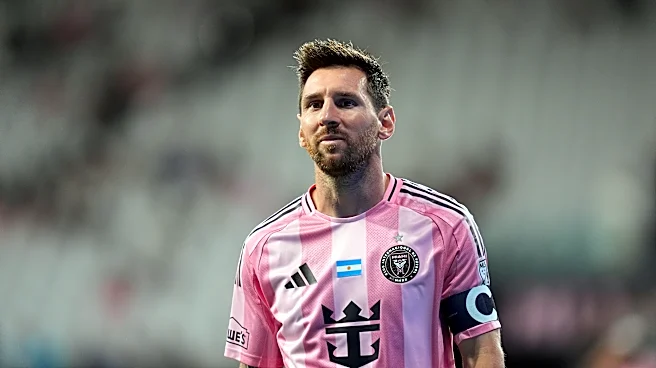
The Qatar World Cup in 2022 felt like the final act of a legendary film. Lionel Messi, after a career of near misses, finally lifted the one trophy that had eluded him, creating an iconic, perfect ending. For nearly 20 years, global soccer was defined by the rivalry and dominance of Messi and Cristiano Ronaldo. Their era is now officially over. The 2026 World Cup will be the first in a generation without either of them as a central figure. This creates a massive power vacuum at the top of the sport. Who will be the face of the game? Kylian Mbappé? Erling Haaland? A yet-unknown star who will seize the moment on North American soil? 2026 isn’t just a tournament; it’s a casting call for the next global icon.
FIFA’s North American Redemption Tour
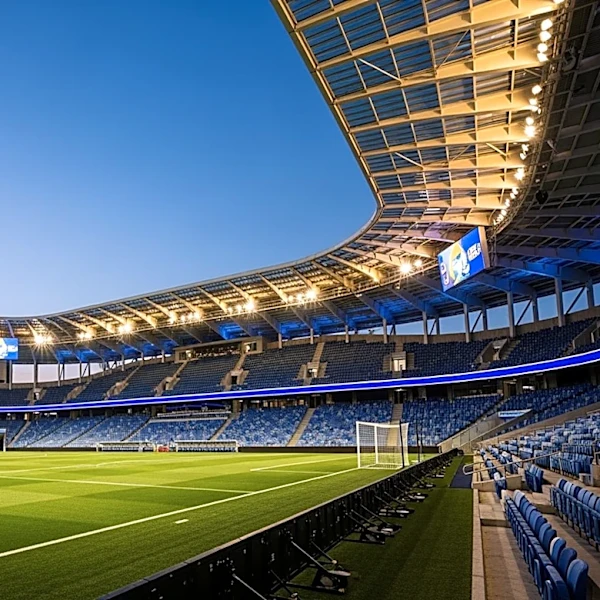
Let’s be honest: FIFA has had a rough decade. The corruption scandal that rocked the organization in 2015, followed by the deeply controversial decisions to award the 2018 and 2022 World Cups to Russia and Qatar, respectively, damaged its credibility. Both tournaments were plagued by political and ethical questions that often overshadowed the sport itself. North America 2026 is FIFA’s chance at a hard reset. It’s a return to a place with existing world-class stadiums, proven infrastructure, and a massive, stable commercial market. By co-hosting across three politically friendly nations (USA, Canada, Mexico), FIFA is executing its safest, most lucrative play. It's a strategic move away from geopolitical controversy and toward a celebration of pure sporting spectacle and commercial might.
The Three-Headed Host
The World Cup has been co-hosted once before (Japan and South Korea in 2002), but never by three nations. The 2026 tournament spanning Canada, the United States, and Mexico is a logistical and cultural undertaking of unprecedented scale. It represents a new model for mega-events, one built on regional cooperation rather than a single host nation shouldering the entire burden. For fans, it offers a fascinating tapestry of experiences, from the historic Azteca Stadium in Mexico City to the gleaming modern arenas in cities like Vancouver, Los Angeles, and Toronto. This tri-national approach transforms the World Cup from a single country’s party into a continental festival, weaving together three distinct soccer cultures and setting a new precedent for how the world’s biggest events can be staged.