

The Problem: Piling It On
We’ve all done it: the morning is frigid, so you grab a thick sweater to wear over another thick shirt, topped with your heaviest coat. This is “piling on.” It’s a purely utilitarian act of adding clothes for warmth without any thought for the final silhouette.
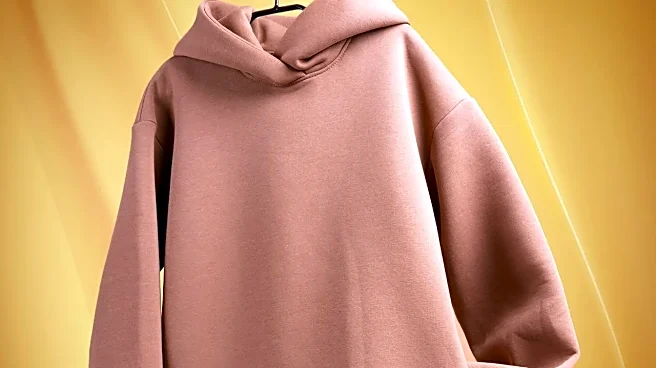
The result is often a bulky, shapeless look that hides your frame entirely. Piling on happens when multiple thick or loose-fitting items are combined, creating volume everywhere and definition nowhere. This method ignores how the pieces interact, leading to an outfit that feels restrictive and looks unintentional, as if you’ve been swallowed by your own wardrobe.
The Solution: Intentional Layering
Layering, by contrast, is a deliberate styling technique. It’s the art of combining multiple garments to create a cohesive, functional, and visually interesting outfit. True layering isn't just about adding warmth; it’s about building a look where each piece serves a purpose, both practically and aesthetically. The core idea is to think in three parts: a thin base layer, a middle layer for warmth and texture, and a structured outer layer to complete the look. This approach allows you to adapt to changing temperatures while maintaining a polished silhouette.
The First Rule: Vary Your Weights
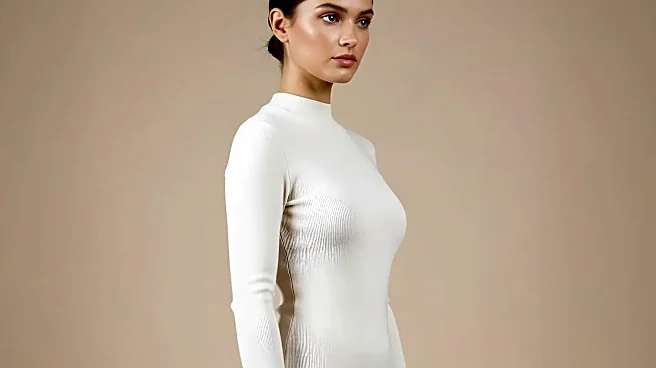
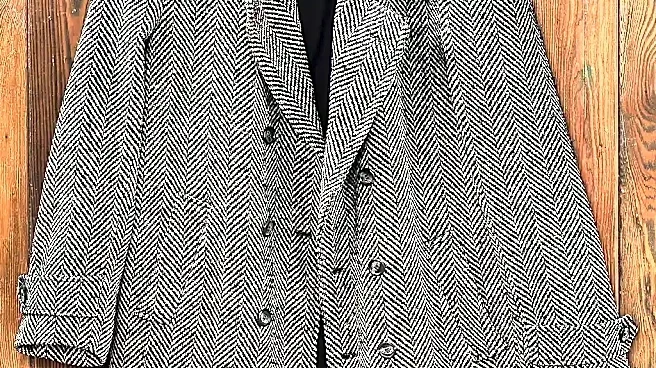
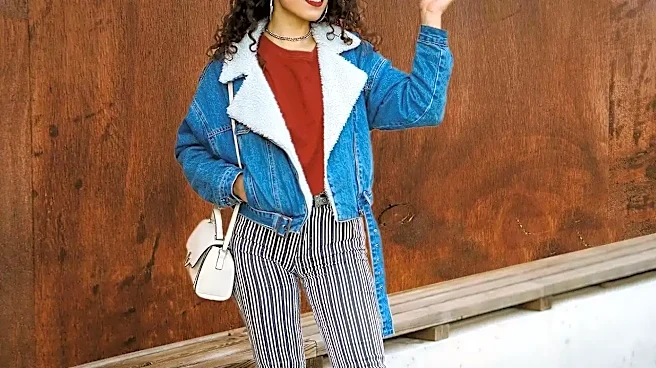
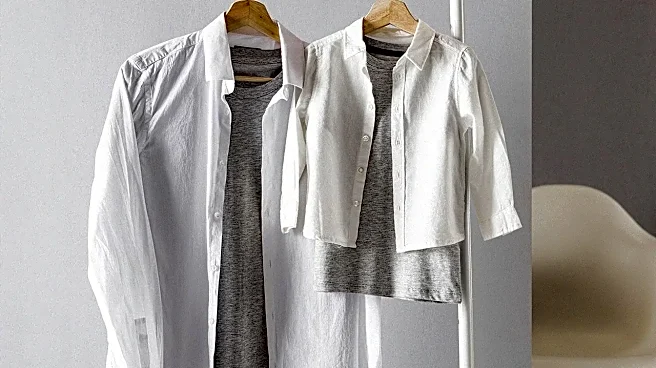
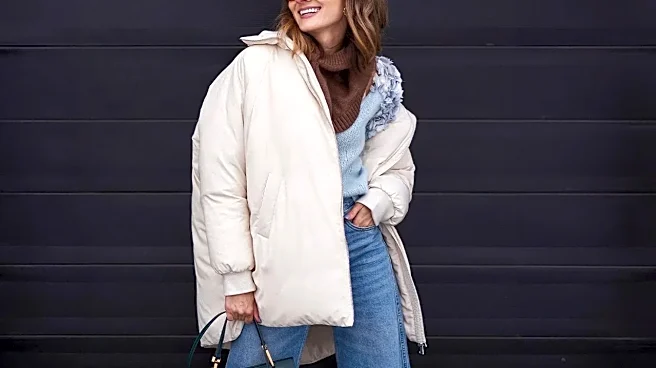
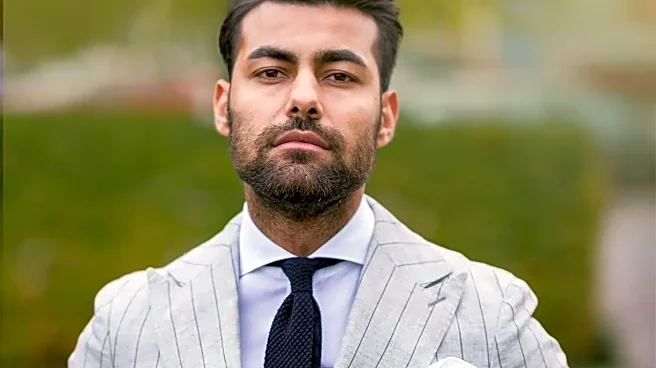
The most effective way to layer without adding bulk is to vary the weight and texture of your fabrics. Start with the thinnest, most fitted layer closest to your body—think a smooth cotton tee, a silk camisole, or a fine-gauge turtleneck. Your middle layer can be something with more texture or warmth, like a cashmere sweater, a flannel shirt, or a tailored vest. Your outermost layer should provide structure, like a wool coat or a trench. Mixing textures—such as a knit sweater with a denim jacket or a silk blouse under a leather jacket—adds depth and sophistication, making the outfit look purposeful rather than haphazard.
The Golden Rule: Master Proportion
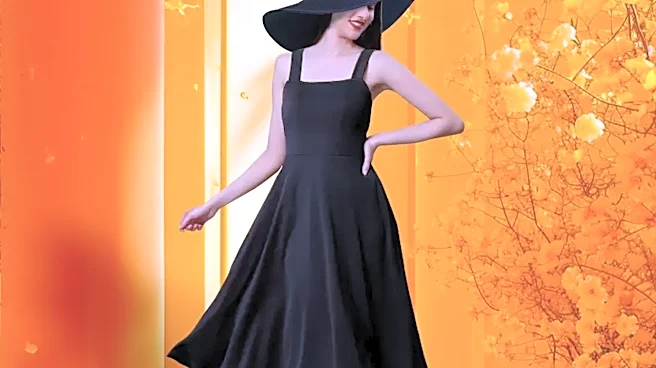
Proportion is where layering truly distinguishes itself from piling on. The key is to create balance. If you opt for a voluminous piece on top, like a chunky sweater or an oversized blazer, keep the bottom half streamlined with slim-fit jeans or tailored trousers. Conversely, if you're wearing wide-leg pants, pair them with a more fitted top. Another powerful technique is playing with hemlines. Allowing a longer base layer, like a shirt, to peek out from under a shorter sweater creates a vertical line that can elongate your frame. This concept, often called the “Rule of Thirds,” suggests that outfits are more visually appealing when divided into a 1/3 to 2/3 ratio, rather than being cut in half.
Finishing with Intention
Great layering often comes down to the final touches that pull everything together. One simple trick is to define your waist, especially when working with multiple or voluminous layers. Tucking in your base layer or adding a belt over a sweater or cardigan can instantly restore your shape and prevent the outfit from looking overwhelming. Accessories also play a crucial role. A scarf can add a pop of color or a different texture, but remember that three core layers are usually enough to avoid looking weighed down. The goal is for each piece to feel considered, creating an ensemble that is greater than the sum of its parts.