
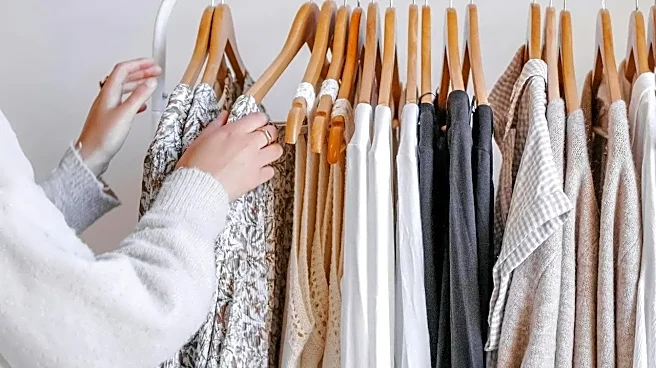

Why Texture Works Subtly and Powerfully
Color is loud; texture is a whisper. While a brightly colored piece demands attention, texture invites it. It’s the difference between a flat, single-color photograph and a richly detailed sculpture. Texture adds physical and visual depth, creating subtle
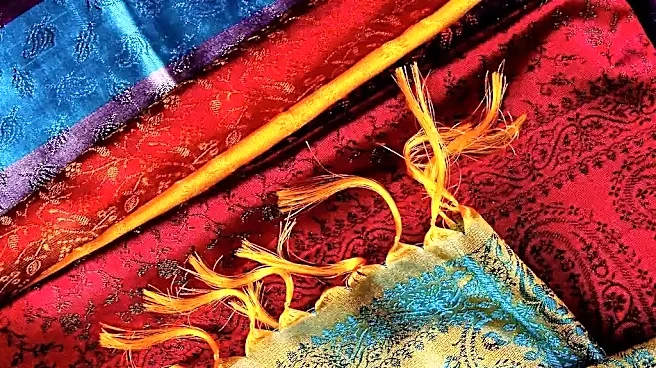
plays of light and shadow that make a monochromatic outfit dynamic. A chunky knit, a sleek satin, or a rugged leather all reflect light differently. This variance keeps the eye engaged, making an all-beige outfit feel curated and expensive rather than bland and uniform. The tactile quality of different fabrics—the softness of cashmere against the smoothness of silk, for instance—also adds a sensory richness that color alone cannot provide.
Your Essential Texture Toolkit
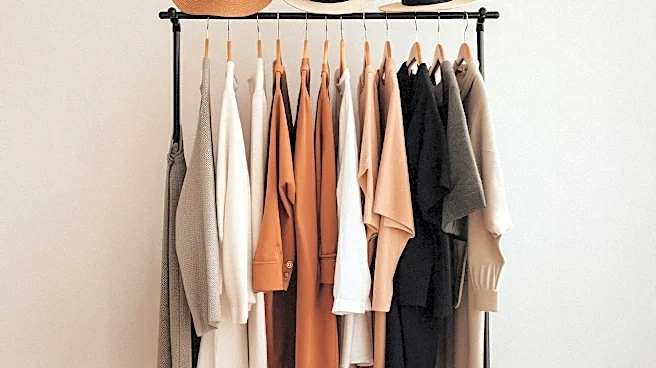
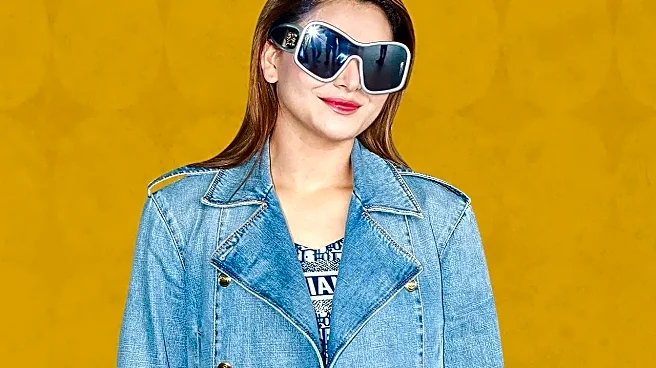
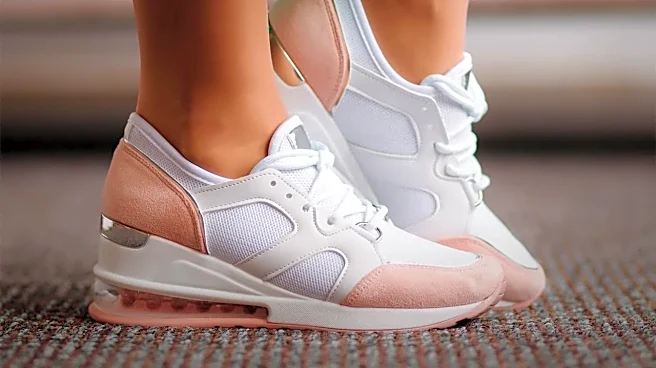
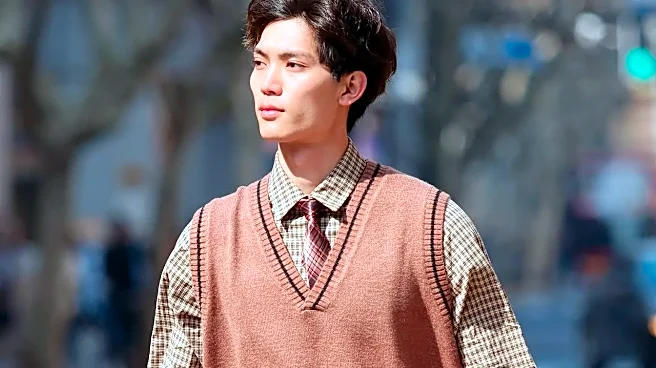
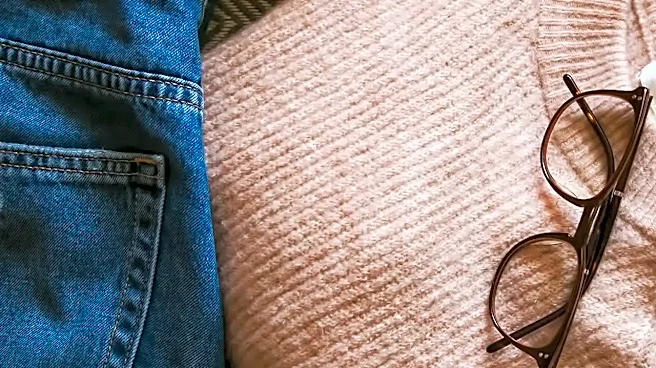
Building a textured wardrobe doesn’t require a complete overhaul. It’s about collecting a few key pieces that offer tactile contrast. Think of these as your foundational textures that can be mixed and matched with almost anything: The Chunky Knit: A cozy, ribbed, or cable-knit sweater in cream, camel, or charcoal is a cornerstone. It pairs beautifully with smoother fabrics. Smooth Silk or Satin: A slip skirt, camisole, or blouse adds a touch of liquid elegance and luster, creating a perfect contrast to rougher materials like wool or denim. Structured Denim: A pair of classic blue or black jeans provides a sturdy, versatile base. Its ruggedness is an ideal foil for more delicate or polished pieces. Sleek Leather (or Faux Leather): Whether it's pants, a skirt, or a jacket, leather adds a modern, edgy structure that instantly elevates softer items.* Crisp Cotton: A simple, well-made cotton t-shirt or poplin button-down offers a clean, flat surface that makes other textures stand out.
The Art of Mixing: Simple Rules for Success
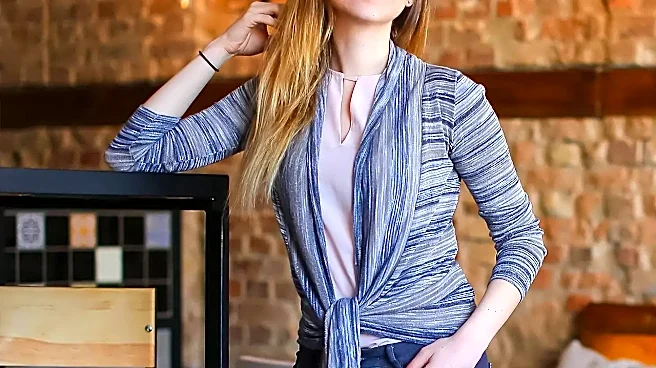
Combining textures is an art, but it’s guided by a simple principle: contrast is key. The goal is to make each piece distinct without creating chaos. A good rule of thumb is to limit yourself to three or four different textures in a single outfit. Start by pairing opposites. Combine a 'rough' texture with a 'smooth' one, like a chunky wool sweater with a satin slip skirt. Or, mix a 'hard' material with a 'soft' one, such as a leather jacket worn over a cashmere top. This contrast prevents the outfit from looking flat. Another effective strategy is to ground your look with a 'neutral' texture like cotton or denim, which works with nearly everything, and then layer a more distinct texture on top.
Don’t Forget Textured Accessories
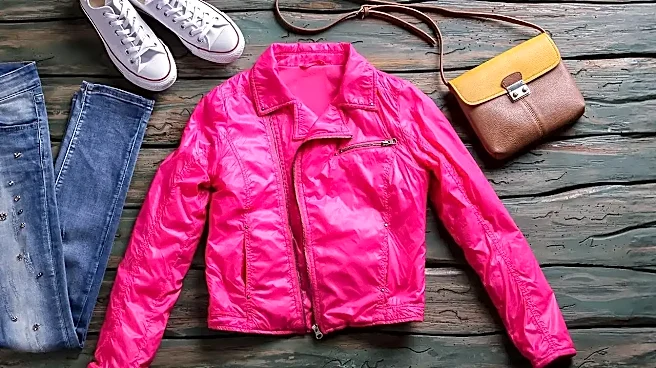
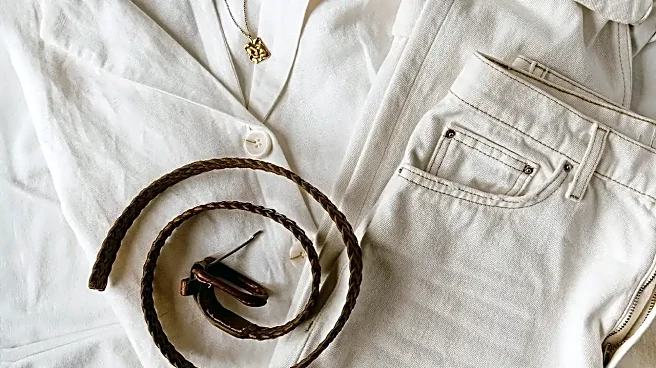
Texture isn’t just about clothing; it's a powerful tool in accessories, too. If you’re new to the concept, this is the easiest place to start. A simple outfit of a t-shirt and jeans can be completely transformed with the right additions. Consider a woven leather bag, a pair of suede boots, a braided belt, or a metallic watch. These pieces add a point of interest and dimension without overwhelming the look. Even a crinkled linen scarf or a faux fur coat can serve as the 'wow' piece that ties an entire neutral look together, proving that the most impactful details are often the ones you can feel as well as see.