
The Primal Disconnect
Inside the theater, you were safe in a controlled environment. The darkness, the booming sound, and the collective gasps are all part of a manufactured experience designed to trigger your fight-or-flight response for entertainment. Your brain is flooded
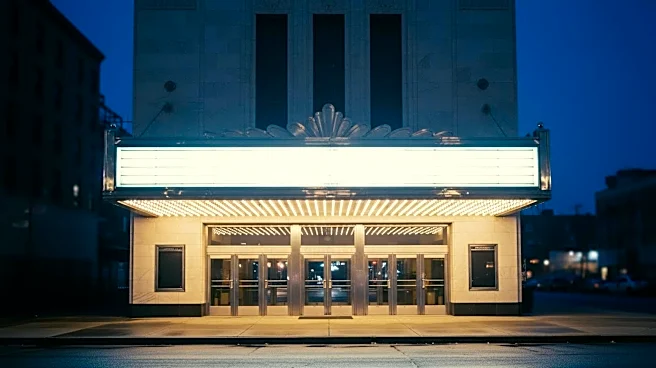
with adrenaline from jump scares, but it knows, on some level, that the threat isn't real. Then you walk outside. The rules change. Stepping into the night removes the protective barrier of the screen. The world is no longer a scripted narrative; it's real, and your senses, already on high alert, are now trying to process a new environment. This disconnect between the controlled fear you just enjoyed and the unpredictable reality of the world at night is where the unique summer horror feeling begins. Humans are evolutionarily wired to be wary of the dark, a time when predators roamed and our vision was useless. The movie has just spent two hours reminding your primal brain of all the things that can go wrong when you can't see what's rustling in the bushes.
A Collision of Senses
Summer nights have a distinct sensory profile. The blast of humidity, the scent of cut grass and asphalt, and the constant, rhythmic chirping of crickets and cicadas are usually comforting. But after a horror movie, these sensations are re-contextualized. That warm, enveloping air can feel suffocating. The chorus of insects, once a lullaby, now sounds like a million tiny things skittering just out of sight. The deep, long shadows cast by streetlights create perfect hiding places for whatever monster your imagination has just been introduced to. Your brain, still processing the film's intense audio-visual stimulation, superimposes that lingering anxiety onto the world around you. Every flicker of a porch light, every distant siren, and every rustle of leaves in the breeze becomes a potential cue for danger, mirroring the suspenseful sound design you just experienced.
Summer's Built-In Vulnerability
Horror as a genre loves summer for a reason. It's a season of freedom, of opened windows, of late-night drives, and of isolated locations like summer camps and lakeside cabins. From "The Texas Chain Saw Massacre" to "Jaws" and "Friday the 13th," summer is depicted as a time when we let our guard down. We are more exposed, both literally due to the heat and metaphorically through our relaxed, vacation-minded attitudes. This cultural association is deeply embedded in our minds. When you leave the theater after watching a film that exploits these very tropes, you're not just walking into any night; you're walking into the setting of a horror movie. The film doesn't just feel like it could happen; it feels like it could happen right now, on a night just like this one.
The Aftermath Is a Shared Ritual
Part of the experience is the immediate aftermath with friends. The walk to the car becomes a performance of heightened fear. Every person in the group is on edge, and that shared anxiety creates a feedback loop. Someone jumps at a noise, which makes someone else scream, which is followed by nervous laughter. This ritual serves two purposes. First, it extends the entertainment of the movie, turning the parking lot into one final, interactive scene. Second, it's a way of processing the fear together. Psychologists note that after a scary event, any positive emotions experienced are intensified. The relief and camaraderie you feel with your friends after a shared jump-scare solidifies the memory not just as terrifying, but as fun. The fear you feel walking through the dark is real, but the knowledge that you're sharing it makes it a thrilling, communal experience you can't get any other time of year.