





The Ross Doctrine: Fearless Saturation
To understand Tracee Ellis Ross’s style is to understand her mastery of color. It’s not just about wearing a bright dress; it’s about committing to a full-spectrum vision. She’ll wear a head-to-toe fuchsia suit, pair a cobalt blue skirt with a sunflower
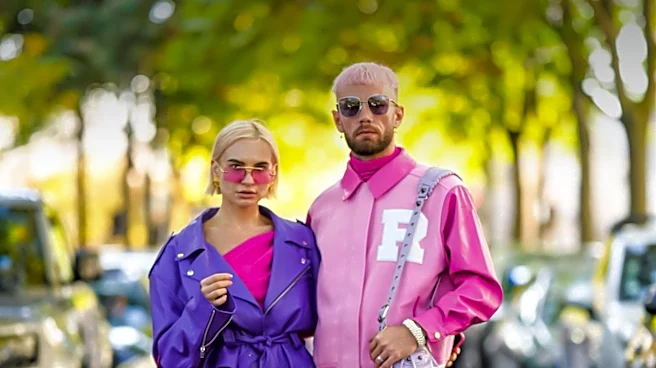
yellow top, or rock a Loewe ensemble of kelly green trousers and cherry-red heels. The effect is deliberate and confident, sidestepping any potential clash by embracing the boldness of the pairing. Ross’s strategy is less about following a specific color wheel and more about harnessing the pure, unadulterated energy of a saturated palette. It’s a practice often dubbed "dopamine dressing," the idea of wearing clothes that are scientifically proven to boost your mood. For Ross, this isn’t a trend; it’s a signature. Her outfits communicate a sense of playfulness and self-assurance, proving that vibrant color isn't just for special occasions—it's a tool for everyday expression.
Copenhagen's Chromatic Rebellion
Meanwhile, halfway across the world, a similar philosophy has taken root in Copenhagen. For years, Scandinavian style was synonymous with stark minimalism and a palette of black, white, and grey. But a new wave of Danish designers has staged a quiet, colorful rebellion. Brands like Ganni, Stine Goya, and Baum und Pferdgarten have become famous for their whimsical use of color and print. Stine Goya launched her label specifically to be a vibrant alternative to the muted tones that dominated the region. These designers infuse their collections with candy-colored knits, clashing patterns, and playful silhouettes that radiate optimism. They’ve redefined Scandi cool, proving that it can be both cheerful and chic. Their aesthetic is not about chaos but about curated joy—pairing a lilac denim jacket with a lemon-yellow bag or a bright orange knit with tailored trousers. It’s fashion that’s meant to be fun and, above all, wearable.
A Shared Manifesto of Joy
The link between Ross's closet and Copenhagen's runways is this shared belief in color as a vehicle for joy. It’s a fashion philosophy that rejects rigid rules in favor of personal expression. This approach, often called dopamine dressing, is about choosing clothes that make you feel good, confident, and energized. Both Ross and the Copenhagen set use color to project an infectious sense of optimism. When Ross pairs a bright blue Prada shirt with a red satin skirt, it’s a statement of confidence. Similarly, when a Ganni collection features bold, unexpected color pairings, it’s an invitation for the wearer to be more playful. This isn't just about looking good for others; it's about feeling good for yourself. The strategy is to embrace colors and textures that genuinely put a spring in your step, transforming the act of getting dressed from a routine into a mood-boosting ritual.
How to Embrace the Strategy
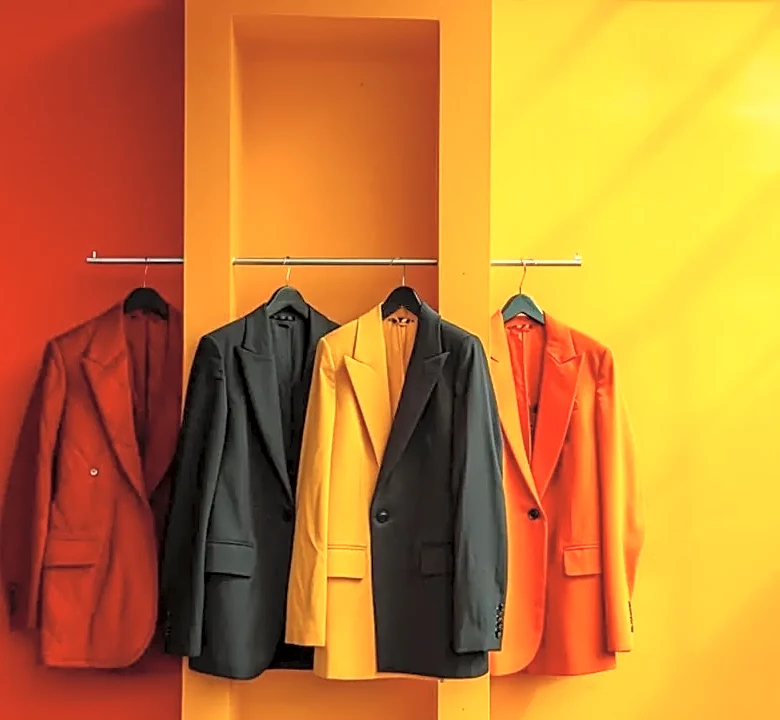
Adopting this color strategy doesn't require a complete wardrobe overhaul. It can start small. The core principle is choosing colors that resonate with you personally and wearing them with intention. You could start with a single, colorful piece paired with neutrals, a technique that makes a bright hue feel more wearable. Or take a cue from recent Copenhagen street style and use a pop of fiery red—a scarf, tights, or a bag—to contrast with a more somber outfit. The key is saturation. Instead of a pale pastel, opt for a rich cobalt, a deep emerald, or a vibrant magenta. These fully realized tones are what give both Ross’s looks and Copenhagen’s designs their sophisticated edge. Ultimately, the strategy is about being bold and finding what brings you joy, whether that's a full monochromatic look or a single, surprising accessory that makes you smile.