




The TV Calendar Is a Myth
Let’s start with the biggest change: the television schedule as our parents knew it is gone. The idea of a rigid fall-to-spring season was built for a world of three networks, where everyone was assumed to be on vacation in July and August. In that old
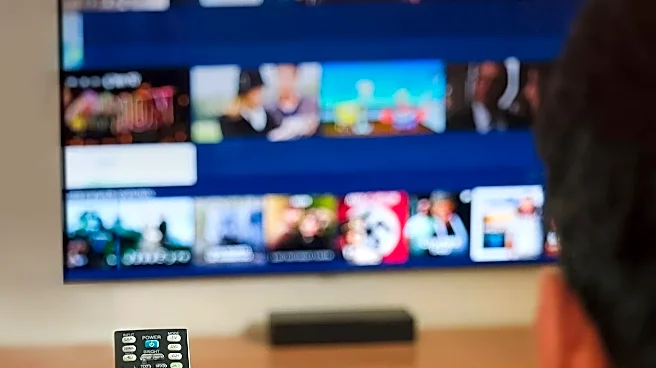
model, summer was for reruns or burning off failed pilots. But streaming didn't just cut the cord; it blew up the calendar. Today, a show's premiere date is less about the month and more about the platform's strategy. Services like Netflix, Prime Video, and Max are in a constant battle for subscriber attention, and they can't afford to take two months off. They release content year-round, experimenting with weekly drops, batch releases, and full-season binges to keep viewers engaged and reduce churn. A show's success now depends on its quality and marketing, not whether it debuts in October or August.
Audiences Are Craving the Unfamiliar
At the same time, a powerful counter-current has emerged: franchise fatigue. Viewers are growing tired of the endless parade of sequels, prequels, and spin-offs from the same handful of cinematic universes. What once felt like exciting world-building now often feels like a corporate content strategy, leading to diminishing returns for even the biggest properties. This exhaustion creates a massive opening for original stories. A show that isn't based on a 40-year-old movie or a well-worn comic book offers something increasingly rare: unpredictability. Viewers don't know where the story is going or which characters are safe, which generates genuine word-of-mouth buzz. This hunger for the new is a market force that smart studios are starting to leverage, realizing that a fresh, creator-led idea can be a more valuable asset than a tired, over-exploited IP.
The August Advantage
Instead of viewing August as a wasteland, it should be seen as an opportunity. The conventional wisdom that it's a slow month is precisely what makes it a perfect launchpad. In September and October, the airwaves are flooded with dozens of new and returning shows, all competing for the same promotional space and critical attention. It’s the TV equivalent of a traffic jam. An ambitious, original show debuting in August, however, finds itself on a relatively open field. It has room to breathe, to find an audience, and to build momentum before the fall onslaught begins. Shows that launched in the summer, like the teen drama "The O.C." which premiered in August, or the soapy "Beverly Hills, 90210" which aired new episodes in July and August, proved decades ago that an audience will show up for compelling television regardless of the season. In the streaming age, that effect is magnified.
Quality Is the Ultimate Marketing Tool
Ultimately, the argument comes down to a simple truth: quality wins. A well-written, well-acted, and well-directed show will find its audience. Famous IP can guarantee an initial tune-in, but it can't guarantee loyalty if the story isn't there. Conversely, an original concept with a strong voice can start small and grow into a cultural phenomenon through sheer excellence. The modern media landscape, with its social media engines and instant fan communities, is perfectly designed to amplify breakout hits. A show no one has heard of can become the most talked-about series in the world in a matter of weeks. Relying on IP is a strategy based on minimizing risk, but betting on originality is a strategy based on creating a genuine connection with viewers—a far more durable and powerful asset in the long run.