


The Real Profit Isn't the Ticket
The biggest secret in the movie theater business is that ticket sales are not the primary money-maker. For new releases, especially during the opening weeks, studios can take a massive cut of the box office gross — sometimes as much as 70% or more. After
paying the studio, the theater is left with just a few dollars from your $15 ticket to cover staff, rent, and electricity. If they only sold tickets, most cinemas would go out of business. The real profit center has always been the concession stand. That $8 popcorn and $6 soda cost the theater pennies to make, giving them profit margins that can exceed 85%. The entire business model is built not on selling you a seat, but on selling you snacks. A double feature keeps you in that seat for four or five hours instead of two, nearly doubling the opportunity for you to head back to the lobby for a refill or another treat.
Creating an Unmissable Event
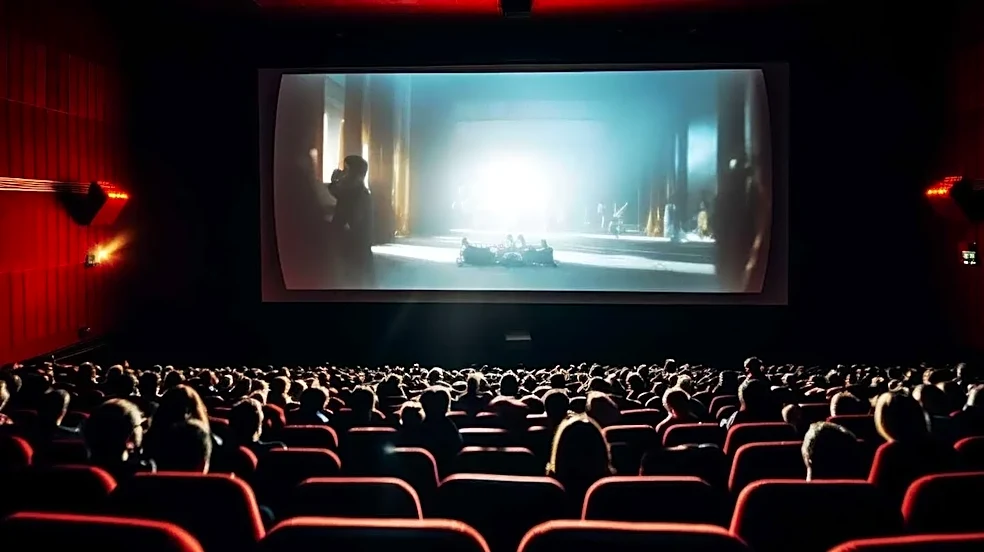
In the age of streaming, getting people off their couches is the single biggest challenge for theaters. A double feature isn't just a movie; it's an event. It offers a curated, communal experience that you can't replicate at home. Horror fans, in particular, are a dedicated bunch who thrive on shared scares and nostalgia. Programming a 'slasher classics' night or a 'ghostly tales' double bill turns a regular movie night into a special occasion that builds a loyal community. These repertory screenings, often featuring beloved older films, have become a significant revenue stream for theaters, helping to fill seats on otherwise slow weeknights. They give audiences a chance to see a favorite film 'the way it was intended'—on a big screen, surrounded by fellow fans. This transforms the theater from a simple venue into a cultural destination.
The Art of the Perfect Pairing
A successful double feature isn’t random; it’s a carefully curated experience. Theater programmers think like a DJ creating a setlist, pairing films that complement each other. This could be based on a shared director, theme, or subgenre. A smart pairing might start with a lighter, more atmospheric horror film and build to a more intense slasher classic, giving the audience a dynamic emotional ride. The goal is to create a program where the whole is greater than the sum of its parts. Seeing two thematically linked films back-to-back can deepen the audience's appreciation for both. This thoughtful curation adds value beyond the 'two-for-one' price, making the double feature a premium offering for true film lovers, not just a discount.
Low Risk, High Reward
Unlike a new blockbuster, which comes with massive marketing costs and uncertain box office prospects, classic horror films are a known quantity. The audience for 'Halloween' (1978) or 'The Shining' already exists. Theaters can license these older films for a much lower and often flatter fee than a new release, reducing their financial risk significantly. By packaging two of these beloved titles together, they create a compelling, low-cost attraction that draws a reliable crowd. This strategy has its roots in the Great Depression, when theaters first used the 'two-for-one' model to boost attendance. Today, it’s a modern solution to a modern problem, using proven content to generate predictable foot traffic and, most importantly, drive those high-margin concession sales.