





That Glowing Rectangle Is a Dealbreaker
Let’s start with the big one. Your phone must be silenced and put away. Not on your lap, screen down. Not on vibrate, which buzzes loudly in a quiet auditorium. Put it away completely. The light from a screen, even for a second, is incredibly distracting
to everyone around you in a dark room. Etiquette experts and theater chains agree: The dark theater is a social contract, and that bright screen shatters the illusion for dozens of people who paid for the same immersive experience you did. On a packed weekend, with every seat filled, the impact of one person's screen is magnified tenfold.
The Armrest Is a Negotiation, Not a Conquest
Ah, the eternal struggle. Who gets the armrest? Here's the unspoken rule for a crowded theater: the middle armrests are shared territory. It’s not like an airplane where middle-seat flyers get priority. In a cinema, it's about spatial awareness. You don’t get to claim both as your personal territory. If your neighbor is using it, maybe you lean on the other one. If they move their arm, you can claim it for a while. It's a subtle, non-verbal dance. The key is not to be an armrest hog. A packed house means you'll be close to your neighbors; a little courtesy goes a long way.
Arrive Before the Lights Go Down
With assigned seating now common, the frantic rush for a good spot is less of an issue. However, arriving on time is still crucial. Stumbling into a dark theater and climbing over a row of people during the final trailers—or worse, the opening scene—disrupts everyone you pass. For a popular holiday release, plan to be in your seat about 20 minutes before the listed showtime. This gives you a buffer for long concession lines and allows you to settle in without making half a row stand up to let you by.
Keep Your Commentary for the Lobby
It might seem obvious, but talking is consistently one of the top complaints among moviegoers. Even whispering can be distracting. You might think a quick comment to your friend is harmless, but in a quiet, dramatic moment, that whisper travels. On a packed weekend, the theater is a sea of people trying to hear the dialogue, not your personal commentary or predictions. Laugh, cry, and gasp with the crowd, but save the full-blown conversations and hot takes for after the credits roll.
Your Feet Belong on the Floor
Those comfy-looking recliner seats are a blessing, but they come with a new etiquette challenge. Under no circumstances should you put your feet—with or without shoes—on the seat in front of you. It's disrespectful to the person in that seat (even if it's empty) and just generally unhygienic. The same goes for kicking the back of the seat in front of you, even accidentally. In a sold-out show, every seat is occupied, so be mindful of your personal space and the space of those around you.
Contain the Crunch
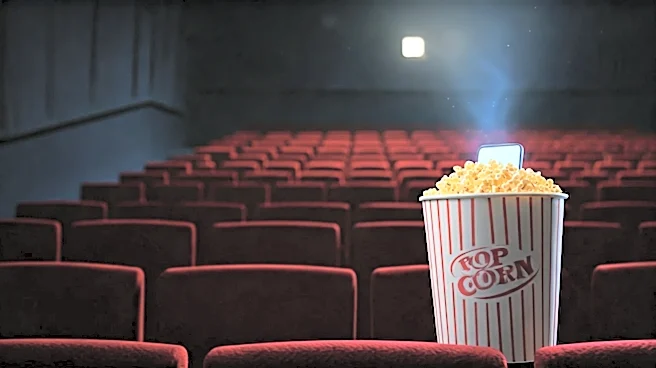
Popcorn and movies go hand-in-hand, but there's an art to snacking quietly. Try to avoid crinkling wrappers, rattling ice in your cup, or chomping on popcorn during the film's quietest, most intense scenes. Nobody expects complete silence, but being mindful of your noise level is part of the shared experience. The sound design of a film is just as important as the visuals, and your snack shouldn't provide an unsanctioned Foley track for the people sitting nearby.
The Credits Are Part of the Movie
Unless there's an emergency or you've strategically chosen an aisle seat for a quick getaway, try to stay seated until the lights come up. Bolting from your seat in the middle of a row the second the credits begin forces everyone else to shift and move. In the age of post-credit scenes, it's also a good way to miss a final treat from the filmmakers. A packed theater empties slowly. Be patient, let the crowd thin, and give your fellow movie lovers the courtesy of an orderly exit.