






The Ply Count Myth
The most common term you'll see is 'ply,' which refers to how many strands of yarn are twisted together to make the sweater's thread. Many shoppers assume more is always better, believing a 4-ply sweater is twice as good as a 2-ply. This is a fundamental
misreading. Ply is about weight, warmth, and structure—not inherent quality. A 2-ply sweater is a versatile, all-season workhorse, perfect for layering. A 4-ply or 6-ply sweater will be heavier, warmer, and more substantial, often functioning as an outerwear piece. The quality of the cashmere fiber itself (more on that below) is the same regardless of ply. A high-quality 2-ply sweater will far outlast a poor-quality 4-ply one. Think of it this way: ply tells you the sweater's purpose, not its pedigree.
The Deceptive Softness Trap
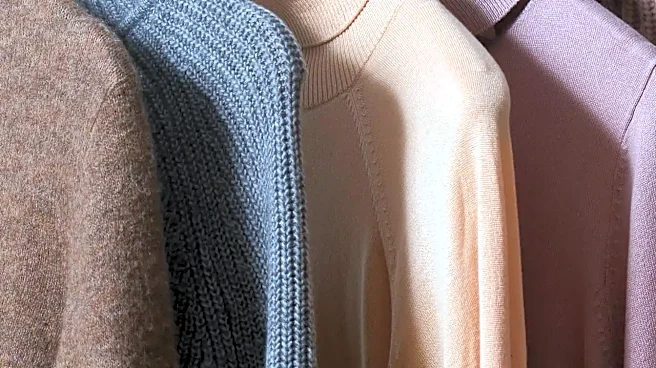
When you're in a store, the first thing you do is touch the sweater. It feels buttery soft, so it must be good, right? Not so fast. Some manufacturers use chemical softeners or brushing techniques to make lower-quality cashmere feel luxurious on the rack. This artificial softness quickly washes away, revealing a coarser garment underneath. Worse, this initial fluffiness is often a sign of short, weak fibers that are destined to pill excessively. Truly high-quality cashmere, made from long, fine fibers, has a smooth, glorious feel but might not even be the 'softest' on day one. Its luxurious character actually improves with gentle washing and wear, becoming softer over time. A better in-store test is to gently stretch a piece of the fabric and see if it snaps back into shape; low-quality cashmere will sag.
Ignoring the All-Important Grade
While ply count gets all the attention, the real determinant of quality is grade. Cashmere fibers are graded from A to C based on their thickness (measured in microns) and length. Grade A is the best: the fibers are the longest (around 34-36mm) and thinnest (as low as 14 microns). These long, fine fibers can be spun into a strong, resilient yarn that resists pilling and holds its shape for years. Grade B is thicker (around 19 microns) and shorter, making it less soft and more prone to pilling. Grade C fibers are the thickest and shortest, resulting in sweaters that feel coarser and degrade quickly. The vast price difference between a $50 and a $500 sweater often comes down to this. Inexpensive sweaters are almost always made from Grade C fibers, while luxury brands use Grade A.
The Panic Over Pilling
Finding those tiny fuzzballs on a new sweater feels like a betrayal. But pilling itself is not necessarily a sign of bad quality. All cashmere, even the highest grade, will pill a little at first. This is a natural process where the shorter, looser fibers on the surface tangle due to friction—especially in areas like the underarms or where a bag rubs. The difference is that high-quality cashmere, made with long fibers, will stop pilling after you've removed the initial fuzz a few times with a cashmere comb. Poor-quality cashmere, made from an abundance of short fibers, will continue to pill endlessly, looking worn out in no time. So, don't panic at the first sign of a pill; judge the sweater by whether the pilling is a temporary phase or a permanent condition.
Believing It's Too High-Maintenance
The fear of ruining an expensive sweater leads many to either pay for constant dry cleaning or let their cashmere languish in a drawer. But cashmere is more resilient than you think, and it actually loves water. The best way to clean it is by gentle hand-washing in cool water with a mild detergent like baby shampoo or a specialized wool wash. Harsh dry-cleaning chemicals can strip the fibers of their natural softness over time. To dry, never hang a wet cashmere sweater, as its weight will cause it to stretch out of shape. Instead, gently squeeze out excess water (don't wring it), and lay it flat on a towel to air-dry. Fold your sweaters for storage rather than hanging them. With this simple routine, a quality cashmere piece can last for decades.