



The Hangover from '80s Excess
To understand the pared-down aesthetic of the 1990s, you first have to remember what came before it: the unapologetic maximalism of the 1980s. The previous decade was a carnival of “power dressing,” defined by broad, padded shoulders, vibrant neon, conspicuous
logos, and a general ethos where bigger was always better. It was a visual celebration of wealth and ambition. But as the decade came to a close, a societal fatigue with this overt materialism began to set in. The grandiosity and artifice of the '80s started to feel out of sync, even vulgar, against a changing global backdrop, creating a pendulum that was ready to swing dramatically in the opposite direction.
An Economic Reality Check
The single most significant catalyst for minimalism was the economic reality of the early 1990s. The U.S. was gripped by a recession from July 1990 to March 1991, an event that directly influenced consumer behavior and spending. Lavish displays of wealth suddenly seemed tone-deaf. This period of economic uncertainty fostered a collective move away from conspicuous consumption and toward something more discreet and practical. Shoppers began prioritizing quality, craftsmanship, and versatility over flashy brand names and fleeting trends. This shift wasn't just about saving money; it was a psychological retreat from the unsustainable pressures of '80s consumerism, making understated, timeless pieces the new form of status.
The Grunge Disruption
While the economy set the stage, the soundtrack came from the Pacific Northwest. The rise of grunge music, spearheaded by bands like Nirvana, Pearl Jam, and Soundgarden, provided the cultural backbone for the minimalist movement. Grunge was the ultimate anti-fashion statement. Its aesthetic—thrift-store flannels, ripped jeans, chunky boots, and layered, disheveled silhouettes—was a defiant rejection of polished, mainstream glamour. It championed authenticity over aspiration, rawness over production. High-fashion designers took note. Marc Jacobs’ infamous Spring 1993 collection for Perry Ellis, which sent supermodels down the runway in printed granny dresses and Doc Martens, brought grunge to the luxury market and solidified its influence, even though it got him fired.
The Designers Who Defined the Decade
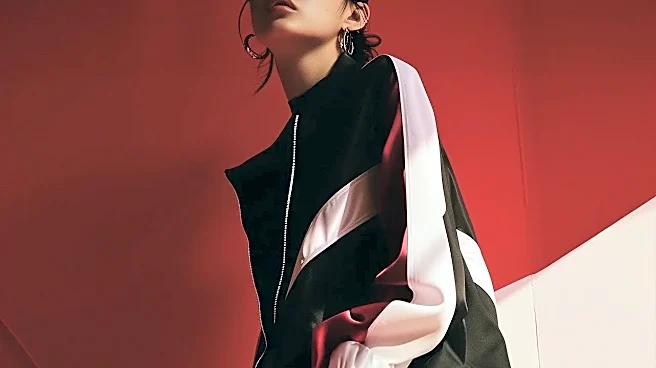
This new, sober mood was perfectly captured and elevated by a handful of visionary designers. In Europe, Jil Sander became known as the “queen of minimalism” for her architectural, impeccably tailored coats and suits in neutral palettes. Helmut Lang offered an edgy, intellectual take with his deconstructed designs, while Prada found luxury in utilitarian fabrics like nylon. In the United States, Calvin Klein became the movement's most prominent ambassador. His vision of a sensual, modern ease—epitomized by the iconic slip dress—made minimalism accessible and democratic. These designers weren't just making simple clothes; they were creating a uniform for a new era, one that valued intelligence, function, and quiet confidence over ostentation.