



The Setting: Altitude and Attitude
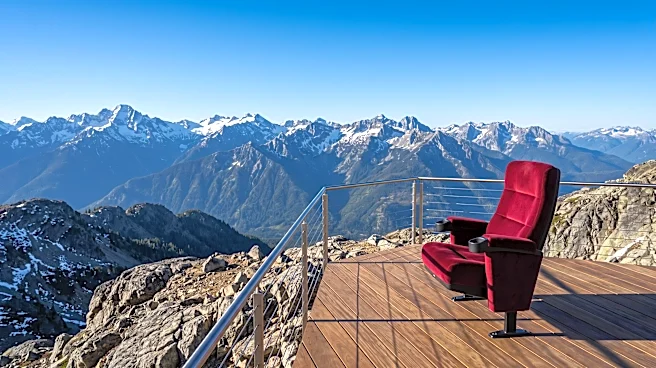
You can’t talk about Telluride without talking about the town itself. Nestled in a stunning box canyon 8,750 feet above sea level, the festival’s location is its first secret weapon. Unlike the sprawling chaos of Cannes or the urban intensity of Toronto,
Telluride is intimate and isolated. Attendees, who include a potent mix of die-hard cinephiles, top-tier critics, and Academy voters, are disconnected from the outside world, creating a focused, immersive environment. Some even half-joke that the thin mountain air induces a state of light-headed euphoria, making audiences more receptive to a film’s emotional power. The sheer beauty of the surroundings creates a sense of occasion and escape, priming everyone not just to watch a movie, but to have an experience.
The Program: A Curated Blind Date
Imagine buying a plane ticket and a four-day pass to an event without knowing what you’ll see. That’s the core of Telluride’s mystique. The festival famously keeps its lineup a complete secret until the first day, a tradition that has become its defining feature. This forces attendees to put their trust entirely in the hands of the festival's curators. You don't pick a film based on a buzzy trailer or pre-written hype; you walk in cold. This act of discovery is crucial. It means every film has a chance to be the film of the festival, judged purely on the experience in the theater. This approach has led to the surprise debuts of future classics like Moonlight, Juno, and Brokeback Mountain.
The Audience: Patient Zero for Buzz
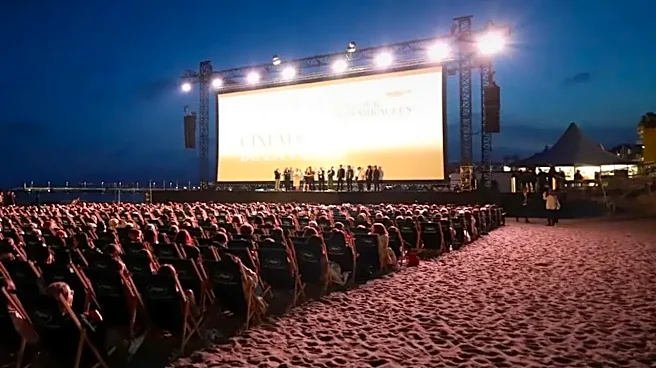
A Telluride screening isn't a passive viewing; it's an active event. The audience is self-selecting—a group of passionate, knowledgeable film lovers who have made a significant effort to be there. They aren’t there for red carpets or industry deal-making, which the festival famously avoids, but for the pure love of cinema. This makes their reaction incredibly potent. When a film lands, the response is immediate and deeply felt. A spontaneous standing ovation in one of Telluride’s makeshift cinemas—often a converted hockey rink or school auditorium—is the spark that lights the fire of awards season. This is the first verdict, delivered by an audience of tastemakers before the rest of the world has even seen a poster.
The Q&A: Forging a Personal Connection
The moment after the credits roll is almost as important as the film itself. Because of the festival’s intimate scale, filmmakers and stars are present and accessible. The post-screening Q&A isn't a staid press conference; it’s often an emotional, raw exchange between an audience that has just discovered a new work of art and the artist who poured their soul into it. A filmmaker moved to tears by the reception, or a star sharing a candid story about the production, forges a personal narrative around the film. It ceases to be just a product and becomes a shared story, creating advocates and champions who carry that passion out of the theater and into the world.
The Echo Chamber: From Screening to Legend
In a town as small as Telluride, buzz spreads like wildfire. A revelatory screening at the Chuck Jones Cinema in the morning becomes the talk of the line for the gondola by lunch. The enthusiasm is contagious. People change their schedules, desperate to catch a TBA "sneak" screening of the film everyone is suddenly talking about. Within 24 hours, a consensus can form. Before the film has even played at another festival or received a single formal review, its narrative is already being written: “the must-see film of the year,” “a guaranteed Oscar contender.” By the time the festival ends and everyone descends from the mountain, the breakout hit doesn't just have buzz; it has the beginnings of a legend.