







From Runway Spectacle to Retail Strategy
Miami Swim Week is more than just a parade of bikinis; it’s the fashion industry's primary laboratory for everything related to warm-weather getaways. For resortwear brands, it’s a high-stakes moment to set the tone for the entire year. The runway shows are often pure theatre, designed to grab the attention of editors, buyers, and social media. Think elaborate headdresses, impossibly high-cut silhouettes, and fabrics that glitter under the lights but might not survive a dip in the ocean. This spectacle serves a crucial purpose: it establishes a brand's creative vision and plants the seeds for major trends. Designers aren't expecting you to wear the seven-foot-long caftan with hand-sewn ostrich feathers. Instead, they are presenting a mood, a color
story, and a set of key ideas that will be distilled into a much more practical form.
Distilling the Trends from the Noise
Once the last model has left the runway, the real work begins. Designers and their commercial teams analyze what resonated. They’re not just looking at their own show; they’re monitoring the entire week for recurring themes. Did crochet dominate? Was there a surge in earthy tones like terracotta and olive green? Are cutouts getting more or less daring? These overarching trends are the raw material. A brand known for its romantic aesthetic might see the city-wide trend for metallics and interpret it not as a flashy silver bikini, but as a subtle gold lurex thread woven into a cream-colored linen cover-up. They filter the loudest runway noise down to its most commercially viable essence, identifying the 3-4 key ideas that will define their upcoming collection.
The Art of Practical Adaptation
This is where the magic of translation truly happens. A runway piece designed for impact is deconstructed and reimagined for real life. The primary concerns are fit, function, and price. For example, a swimsuit with a complex lattice of straps might be simplified to ensure it’s easy to put on and won't create a bizarre network of tan lines. An intricately beaded bodice on a maxi dress—which would be prohibitively expensive and delicate—might become a printed pattern that mimics the original design. Fabrics are also reconsidered. The stiff, sculptural material used on the runway might be swapped for a soft, wrinkle-resistant jersey or a breathable cotton poplin that’s perfect for stuffing into a suitcase. The goal is to retain the spirit of the runway look while making it wearable, comfortable, and attainable for the target customer.
Building the Cohesive Vacation Capsule
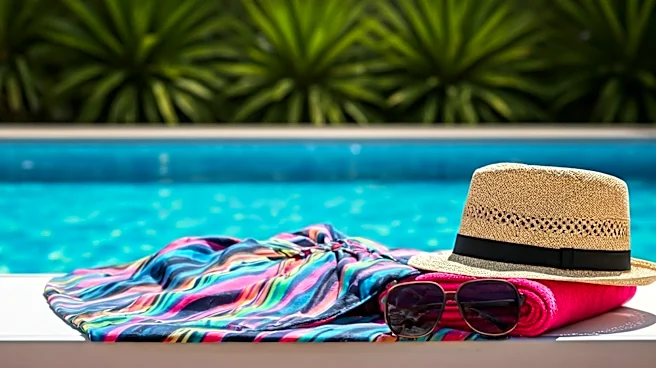
Successful resortwear isn’t sold piece by piece; it’s sold as a dream of a perfect vacation. This is where the “capsule” concept comes in. Brands don’t just create a bikini; they create a bikini, a matching sarong, a coordinating sundress, and a pair of lightweight pants, all in the same print or complementary color palette. This is a strategic move. By designing a cohesive collection, they make it easy for a customer to build a complete vacation wardrobe from a single brand. The runway show might have showcased 20 distinct, high-concept looks, but the resulting retail capsule offers dozens of versatile combinations. That one key “hero print” from the runway will appear in multiple forms, allowing shoppers to buy into the trend at different price points, whether it’s a simple bikini bottom or a statement-making dress.