




The Weight of Expectation
Before the whistle even blows, the script is being written. All eyes are on the number 9, the player whose job, in the simplest terms, is to score the goals. In a tournament final, this pressure becomes immense. They carry the hopes of a nation, the culmination
of years of work, and the knowledge that their performance will be remembered as either heroic or heartbreaking. Every missed touch is magnified, every shot scrutinized. This isn't just a game; it's a 90-minute trial where the verdict—glory or infamy—is delivered in front of a global audience.
The Redemption Arc
Perhaps the most powerful version of this story is that of the redeemed. Think of Ronaldo Nazário in the 2002 World Cup final. Four years earlier, he was a ghost in the final against France after suffering a mysterious pre-match seizure. His career was then nearly ended by devastating knee injuries. But in 2002, he was reborn. Facing a formidable German side, he scored both goals in a 2-0 victory, securing Brazil's fifth title and his own personal deliverance. Tears flowed at the final whistle, not just of joy, but of relief. It was the ultimate comeback story, proof that a legacy isn’t defined by the fall, but by the climb back up.
The Unexpected Hero
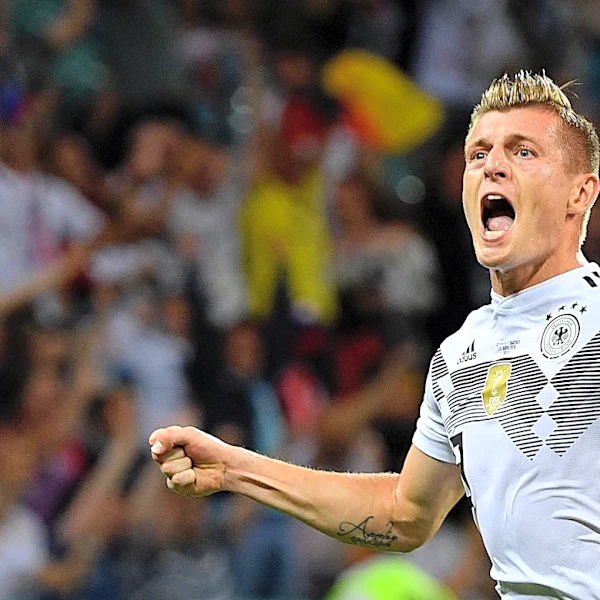
Sometimes, the hero isn't the one we expect. It's the substitute, the player told to go out and make a difference when the team's stars have been neutralized. In the 2014 World Cup final, Germany and Argentina were locked in a goalless stalemate deep into extra time. German manager Joachim Löw sent on 22-year-old Mario Götze with a simple instruction: "Show the world you are better than Messi and can decide the World Cup." In the 113th minute, Götze did just that, controlling a cross on his chest and volleying home the goal that won Germany the trophy. He became the first substitute to ever score a World Cup-winning goal, a footnote in the starting lineup who wrote the headline.
The Tragic Figure
For every hero, there must be a tragic figure. It’s the other side of the narrative coin, and it’s just as compelling. Roberto Baggio carried Italy to the 1994 World Cup final, scoring crucial goals in the knockout rounds. But in the final penalty shootout against Brazil, with his nation’s hopes resting on his shoulders, he blazed his shot over the crossbar. The image of him standing desolate, hands on hips, is as iconic as any goal. Similarly, Zinedine Zidane’s career ended in the 2006 final not with a trophy, but with an infamous headbutt and a red card, walking past the very trophy he had hoped to lift. These moments are so powerful because they are so painfully human, a reminder of how fine the line is between eternal glory and lasting regret.
The Modern Chapter Continues
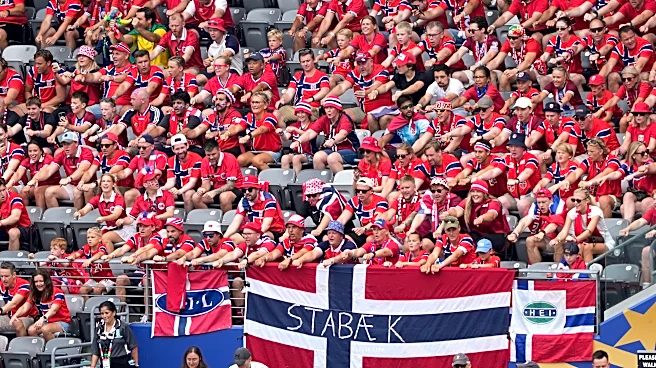
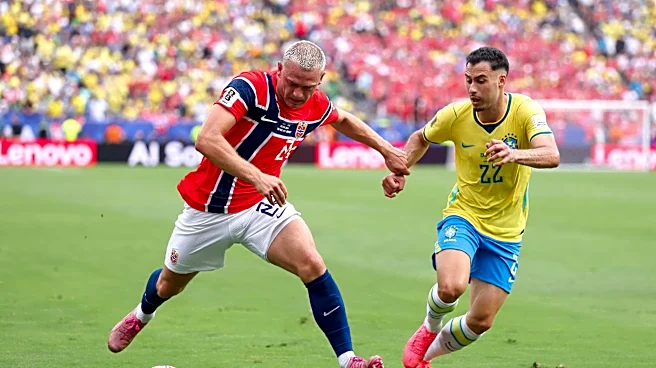
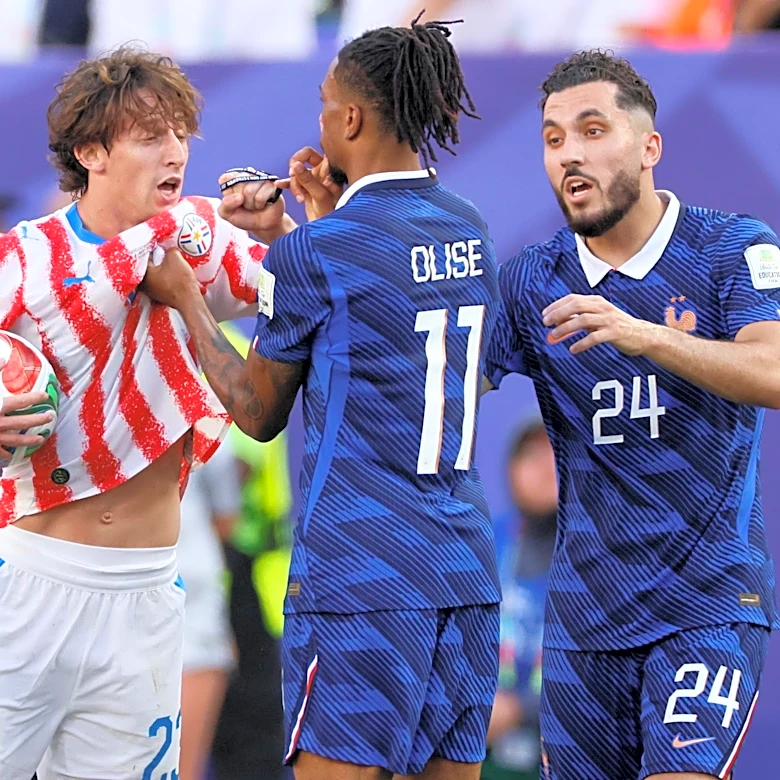
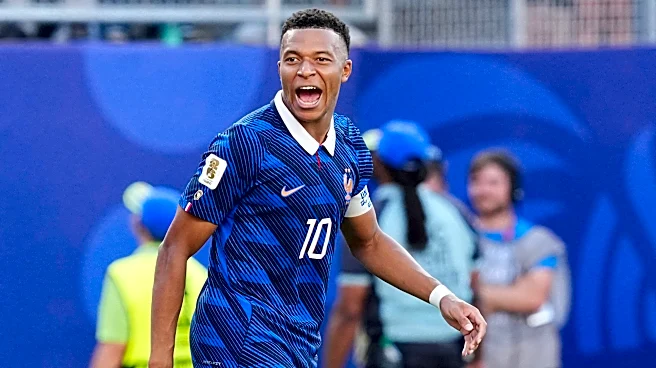
This narrative never gets old. As the 2026 World Cup has unfolded, we've seen new protagonists emerge. The Golden Boot race is a tight contest between established legends and new superstars. France's Kylian Mbappé, who scored a hat-trick in the 2022 final, continues to build his legacy, while Norway's Erling Haaland has carried his nation to an unprecedented quarterfinal appearance with his clinical finishing. Meanwhile, a 39-year-old Lionel Messi is defying time for Argentina. Each carries the potential to become the hero or the tragic figure of this tournament, their story waiting to be written in the final, decisive moments.