





The Opening Whistle of Marketing
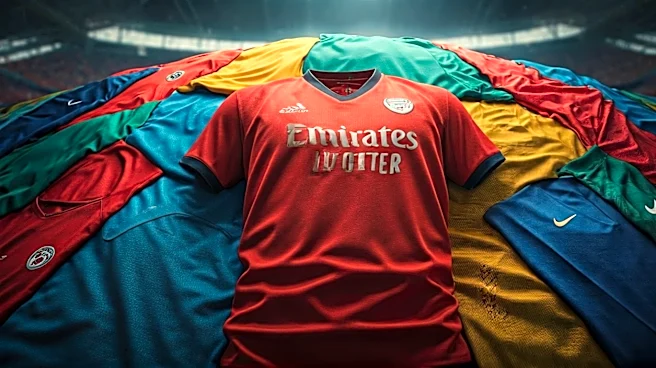
Long before teams take the field for the World Cup, the Olympics, or the Euros, the first competition has already been won and lost in the court of public opinion. The jersey reveal is no longer a simple unveiling of a team’s uniform; it’s a meticulously
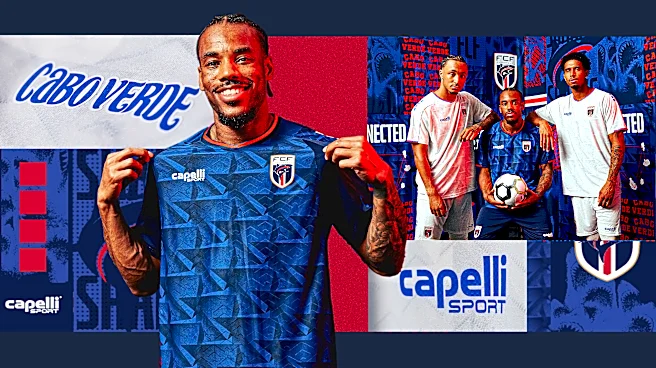
planned marketing event, the opening salvo in the battle for hearts, minds, and wallets. Apparel giants like Nike, Adidas, and Puma invest millions into designing not just the kits, but the campaigns to launch them. These aren't just shirts; they are content. They are engineered to generate conversation, dominate social media feeds for a 48-hour cycle, and kickstart the tournament narrative. A slick, well-received design builds immediate positive momentum, while a dud can have fans wringing their hands about bad omens before the tournament even begins. The debate itself is the goal. Love it or hate it, you’re talking about it, and that’s a win for the brands and the governing bodies.
More Than Just a Shirt
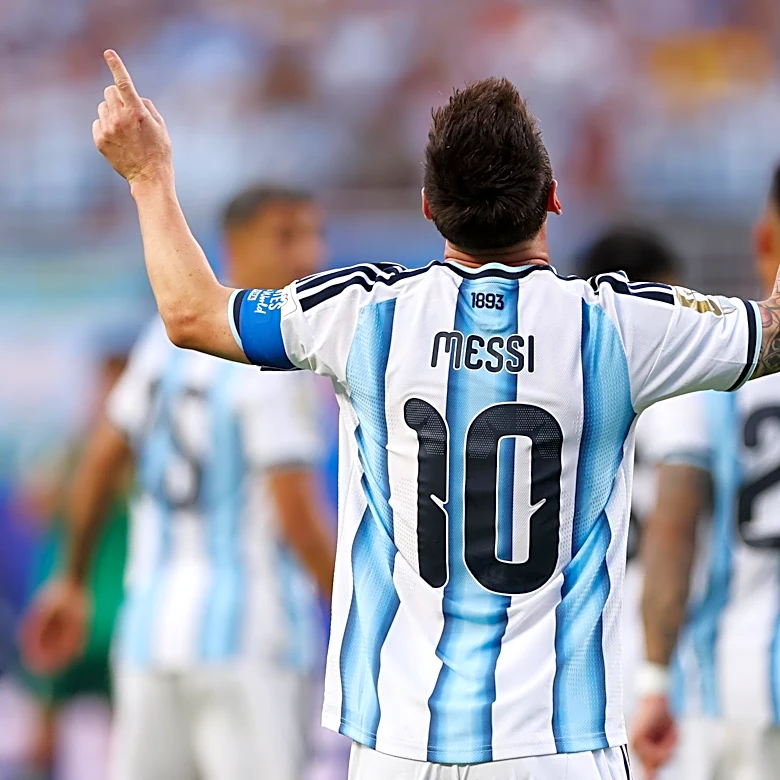
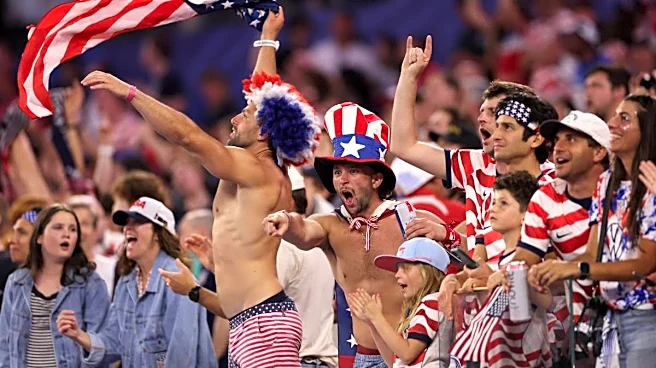
So, why do we care so much? Why does a collar style or a subtle pattern evoke such a visceral, emotional response? Because a national team jersey is never just a shirt. It’s a flag you can wear. It’s a tangible piece of identity, a visual shorthand for national pride, history, and ambition. Fans see the jersey as an extension of the team itself. A bold, innovative design can signal a new, confident era. A boring, template-based kit can feel like a lazy, passionless betrayal from the federation and the manufacturer. Every fan has a personal connection to their team’s colors and symbols. When a design disrespects that heritage—think of the U.S. Soccer federation occasionally trying to de-emphasize the red, white, and blue—it feels like a personal slight. The jersey is the armor the players wear into battle, and for fans, it’s the uniform they wear to support them. It has to feel right.
The Business of Controversy
Here's the cynical secret the big apparel companies understand perfectly: controversy sells. While a universally beloved kit is the dream, a universally despised one is the next best thing. The worst possible outcome for a new jersey is indifference. A design that is aggressively ugly or comically off-brand—like the infamous 1994 U.S. World Cup “denim” kit—becomes a cultural artifact. It creates its own story. People buy it ironically, then nostalgically. Years later, it’s a coveted collector’s item. A polarizing design forces fans to pick a side, fueling endless debate on podcasts, talk radio, and social media. All of this amounts to millions of dollars in free advertising. Nigeria’s 2018 World Cup kit is the ultimate case study. It was a bold, beautiful design that broke from tradition and sold out instantly, with Nike reporting three million pre-orders. It proved that a great design could become a global fashion item, but it also set a new standard for hype, proving the jersey could be the tournament’s first superstar.
Leaks, Legends, and Legacy
The ecosystem of jersey hype is also fueled by the shadowy world of “leaks.” Often, these leaks are not accidents but calculated parts of the marketing strategy, designed to test the waters and build anticipation. A grainy, out-of-focus photo from a factory floor gets the conversation started weeks before the official, high-gloss reveal. By the time the real jersey drops, the narrative is already established. Ultimately, a jersey’s legacy is written on the field. The USA’s 2014 “bomb pop” kit was divisive upon release, but it’s now fondly remembered for its connection to a thrilling World Cup run. Conversely, a beautiful jersey worn during a disastrous campaign can become a symbol of failure. The shirt absorbs the emotions of the tournament. It becomes intertwined with the memories of dramatic goals, heartbreaking losses, and heroic performances, cementing its place in the visual history of the sport.