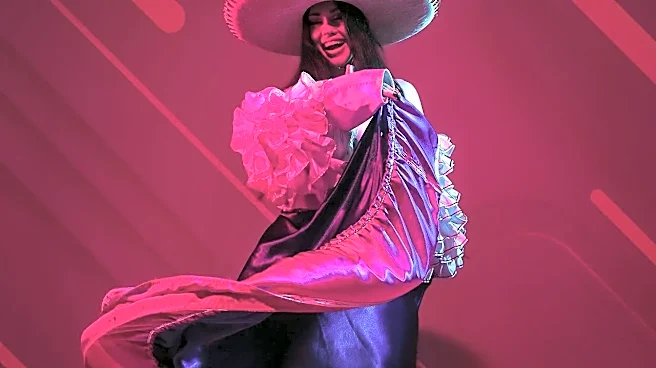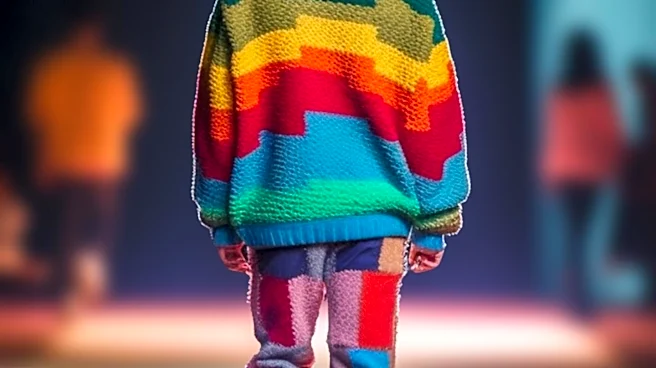








The Latin GRAMMYs red carpet is more than a parade of pretty dresses. It's a vibrant cultural spectacle where music's biggest stars use fashion to make a statement, pushing far beyond the traditional rules of black-tie dressing.
1. An Explosion of Color
While other awards shows
lean on a palette of black, navy, and muted metallics, the Latin GRAMMYs red carpet is a masterclass in dopamine dressing. Artists consistently embrace bold, unapologetic color that reflects the vibrancy of their music. Think less subdued jewel tones and more electric fuchsia, mango orange, and brilliant sapphire. It's a joyful rebellion against the safe and expected, with stars using color to communicate energy and confidence before they even step on stage. This embrace of the entire color spectrum turns the arrivals line into a living, breathing work of art.
2. Deconstructed and Reimagined Tailoring
The classic tuxedo is getting a radical makeover. Male and female artists alike are deconstructing traditional suiting, opting for architectural blazers with nothing underneath, asymmetrical cuts that challenge symmetry, or trousers paired with unconventional tops. The suit is no longer a uniform but a canvas. Recent red carpets have seen everything from cropped jackets and corseted blazers to full suits made of non-traditional fabrics like lace or embroidered silk. It's a sign that power dressing is no longer about conforming to a rigid template but about reshaping it to fit one's personal brand.
3. Celebrating Heritage Through Fabric and Form
Increasingly, artists are using this global stage to pay homage to their roots. This goes beyond a simple flag motif. We're seeing gowns incorporating intricate embroidery inspired by specific regional textiles, jewelry crafted by indigenous artisans, and silhouettes that echo historical garments from across Latin America. Fashion becomes a narrative tool, allowing artists to tell a story about where they come from. These choices are a powerful statement of pride, weaving cultural history into the fabric of high fashion and educating a global audience in the process.
4. The Rise of Gender-Fluid Silhouettes
The lines between 'menswear' and 'womenswear' have never been more beautifully blurred than at the Latin GRAMMYs. Stars like Bad Bunny have famously challenged machismo by embracing skirts, dresses, and traditionally feminine designs. This isn't just a trend; it's a movement. Artists of all genders are embracing flowing fabrics, androgynous tailoring, and shared aesthetics that prioritize self-expression over outdated binaries. This freedom creates a more inclusive and exciting red carpet, where style is about identity, not gender roles.
5. Luxe Streetwear Hits the Red Carpet
Forget the mandatory polished dress shoe. Streetwear has officially crashed the black-tie party, and it looks right at home. Reggaeton and urban music's influence is undeniable, with artists pairing tailored trousers with pristine, high-fashion sneakers or swapping a traditional suit jacket for a silk bomber. It reflects a cultural shift where the definition of luxury has expanded to include the aesthetics of the street. This blend of high and low, formal and casual, feels authentic to the artists and their music, proving that true style isn't about following rules but creating your own.
6. Strategic Sheerness and Cutouts
The 'naked dress' is a red carpet staple, but Latin artists often approach it with a unique flair. While sheer fabrics and daring cutouts are common, they are frequently combined with intricate lacework, elaborate beading, or strategic draping that feels both sensual and artistic. Looks from recent events show how sheer gowns can tell a story, with patterns that are both romantic and powerful. It’s less about shock value and more about celebrating the body through sophisticated, often custom-made, designs that merge vulnerability with strength.
7. Accessories as the Main Event
Sometimes, the entire outfit is built around one spectacular accessory. At the Latin GRAMMYs, this can mean a massive, sculptural necklace that replaces a tie, an avantgarde headpiece that commands attention, or layers of chains and pearls that add a rebellious edge to a formal look. Artists use accessories to add a layer of personality and meaning, whether it's a piece of statement jewelry with personal significance or bold sunglasses worn on the carpet. This approach proves that the details aren't just details—they're the whole story.