




An Unbreakable Mentality
If there's one defining trait of the Croatian national team, it's their staggering mental fortitude. They are the masters of the long game, thriving in the chaos of extra time and the high-pressure lottery of penalty shootouts. In the 2018 and 2022 World
Cups, they played extra time in five of their six knockout matches, winning four of them. This isn't luck; it's a culture of resilience. Known locally as 'inat,' it's a sort of defiant, stubborn spirit that fuels them when their backs are against the wall. While other, more fancied teams may wilt under the pressure of a 1-1 scoreline after 90 minutes, Croatia seems to draw strength from it, confident in their stamina and their iron-willed belief that they will not be broken.
A Once-in-a-Lifetime Golden Generation
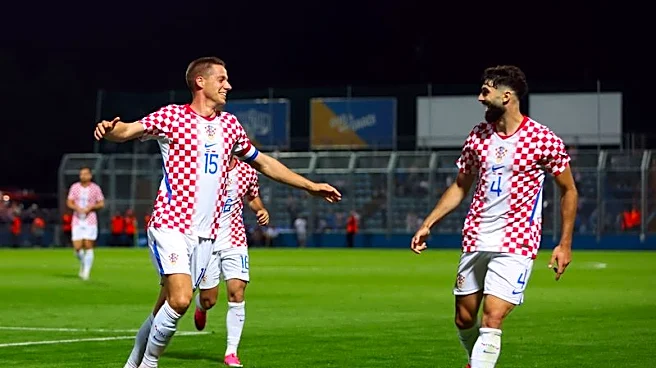
You can't talk about Croatian success without talking about Luka Modrić. The Ballon d'Or winner is the team's heart, brain, and engine, a midfield maestro who dictates play with an elegance and intelligence that defies his age. But he's not alone. For years, he has been surrounded by a core of world-class talent playing at Europe’s biggest clubs, including Ivan Perišić, Marcelo Brozović, and Mateo Kovačić. This 'golden generation' has grown up together, developing an almost telepathic chemistry on the field. They understand each other’s movements, cover for each other’s mistakes, and share a collective responsibility that elevates the entire squad. This cohesion is a massive advantage in short, high-stakes tournaments where team unity often trumps individual brilliance.
Tactical Pragmatism Over Rigid Ideology
While teams like Spain or Germany have been defined by a specific, almost dogmatic playing style, Croatia under coach Zlatko Dalić is a master of pragmatism. They don't impose a single system on every game; they adapt. Against a technically superior opponent, they are comfortable absorbing pressure, staying compact, and hitting on the counter. Against a team they expect to beat, they can dominate possession and control the tempo. This flexibility makes them incredibly difficult to prepare for. Dalić isn't interested in aesthetic purity if it doesn't lead to victory. His game plans are tailored to nullify the opponent's strengths and exploit their weaknesses, turning each match into a tactical chess match that his intelligent and experienced squad is perfectly equipped to win.
A World-Class Talent Pipeline
For a country with a population of just under four million, Croatia’s ability to consistently produce elite soccer talent is nothing short of miraculous. This isn't an accident but the result of a superb youth development system and a culture where soccer is deeply embedded. Clubs like Dinamo Zagreb have become renowned talent factories, scouting and nurturing young players before selling them to top European leagues. This creates a constant flow of new blood into the national team. While the 'golden generation' has been the backbone, a new wave of stars like defender Joško Gvardiol ensures that the team can regenerate and remain competitive. They prove that you don't need a massive population to create a deep talent pool—you just need the right infrastructure and cultural focus.