

Start with the Fabric Itself
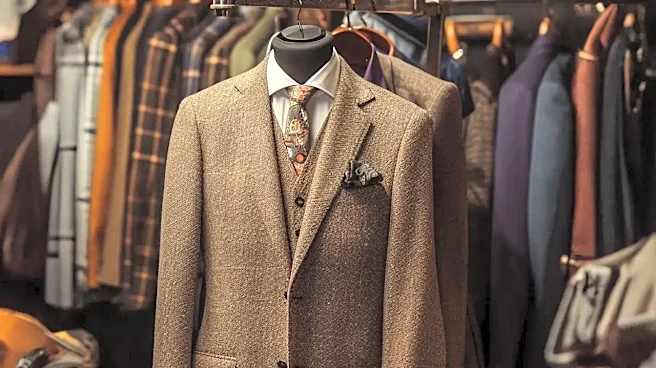
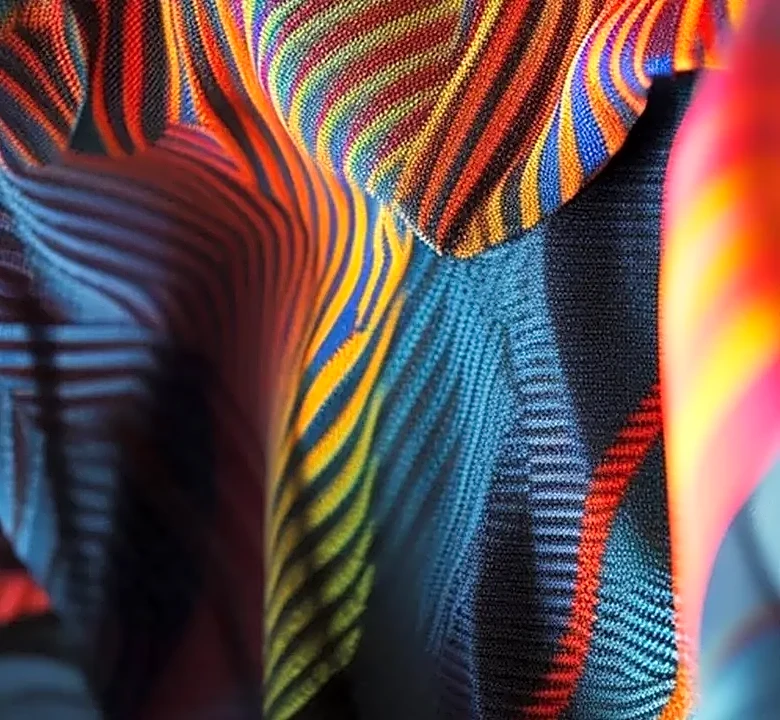
Before you look at anything else, feel the cloth. Quality tweed is made from wool and has a substantial, durable feel. While modern yarns have become lighter, a good tweed still has density. Look for famous varieties like Harris Tweed, which is legally
protected and must be hand-woven in the Outer Hebrides of Scotland, or Donegal Tweed from Ireland, known for its characteristic colorful flecks. Harris Tweed often has a rougher, spongier texture with many colors woven into a seemingly simple pattern, while Donegal is defined by its flecked appearance. Cheap imitations often feel flat, limp, or overly synthetic.
The Interior: It’s What’s Inside That Counts
Here’s the biggest secret of a well-made jacket: the canvas. A cheap, “fused” jacket uses glue to give the front panels shape, resulting in a stiff, lifeless garment that can bubble over time. A high-quality jacket uses a “full-canvas” or “half-canvas” construction. This means a layer of canvas (often made of horsehair and cotton) is stitched, not glued, between the outer fabric and the lining. This floating layer allows the jacket to drape naturally and mold to your body over years of wear. You can check this with a “pinch test”: carefully pinch the fabric just below the lapel. If you can feel a separate, floating layer inside, you’re likely holding a canvassed jacket.
Examine the Pattern Matching
On a jacket with a check, houndstooth, or herringbone pattern, look closely at the seams. On a superior garment, the pattern will align almost seamlessly across different pieces of fabric. Check where the sleeves meet the shoulder, across the pocket flaps, and on the back seam. Getting this right requires more fabric and incredible precision from the tailor, so it’s a clear sign that no corners were cut. If the checks on the pocket don't line up with the checks on the jacket body, it’s an immediate red flag.
The Telltale Buttonholes
Look at the buttons on the sleeve cuffs. On most mass-produced jackets, the buttons are purely decorative, sewn onto a closed seam. A hallmark of a higher-quality or bespoke jacket is “surgeon’s cuffs,” which means the buttonholes are real and functional, allowing you to unbutton and roll up the sleeves. This detail dates back to when doctors needed to roll up their sleeves without removing their coats. While not all great jackets have them, finding surgeon’s cuffs is a strong signal of quality craftsmanship, as cutting functional buttonholes is a time-consuming extra step.
Don't Forget the Lining and Buttons
Turn the jacket inside out. A quality lining should feel smooth and be neatly sewn, allowing the jacket to slide on and off easily over a shirt or sweater. It should not feel like cheap, static-prone polyester. The buttons themselves are another clue. A well-made jacket will often feature higher-quality buttons made from horn, corozo, or leather, rather than flimsy plastic. Even the stitching on the buttons can tell a story; look for neat, secure attachment. These small elements add up, reflecting the overall care put into the garment's construction.