




The Art of Translation
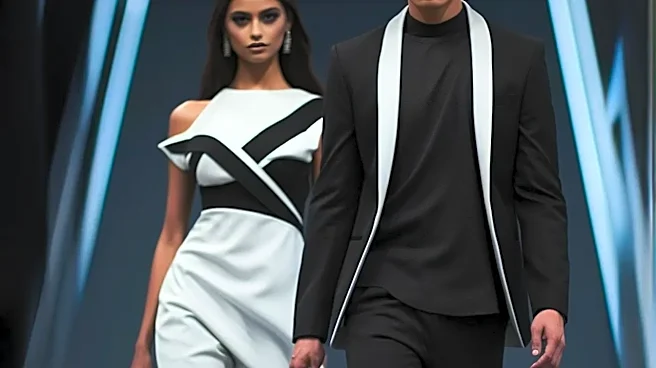
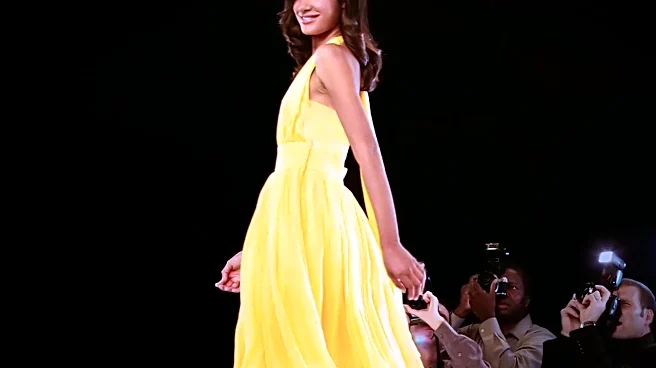
The first thing a merchandiser understands is that a runway show is part trade show, part theater. Many of the most extravagant looks—the ones that generate buzz on social media—are not intended to be sold as-is. They are “showpieces” designed to communicate
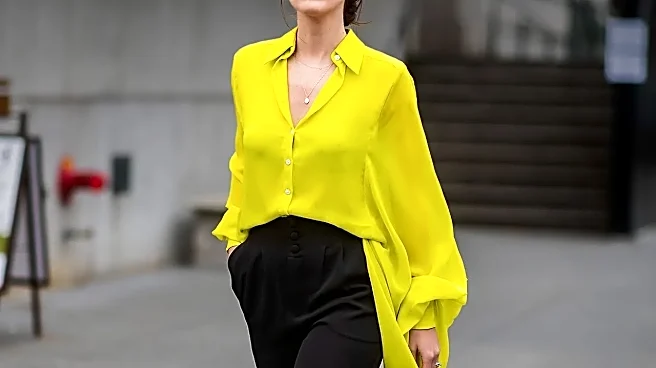
a big idea, a mood, or a creative direction. A merchandiser’s job is to look past the high-concept styling and identify the core components that can be adapted for the sales floor. They are mentally translating an avant-garde gown into a wearable blouse or a statement coat into a more practical jacket. It’s a process of simplification, where wild runway designs are made more practical for everyday wear by adjusting proportions, fabrics, and details to fit the lives of actual customers.
Spotting the Key Items
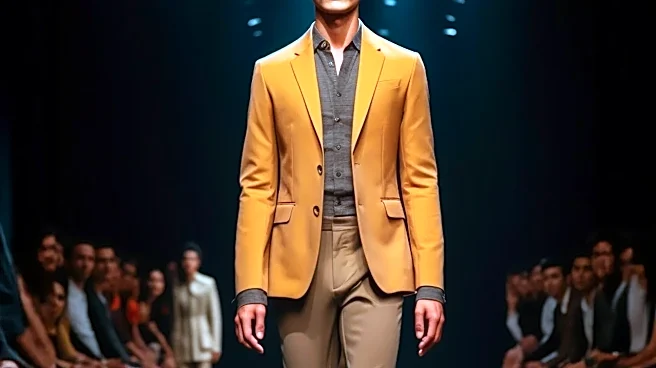
Within a collection of dozens of looks, a buyer is on the hunt for the “key items” or “hero pieces.” These are the handful of products that will define the season for the brand and drive the most sales. They might see a particular silhouette, like a well-cut blazer or a new denim shape, appearing in several looks. That repetition is a signal from the designer that this is a core concept. Buyers analyze everything from color palettes to fabrics, cross-referencing what they see on the runway with their own sales data. If a specific shade of green is trending on the catwalk and their data shows customers are already searching for it, that’s a winning combination.
Wearability and Fabrication
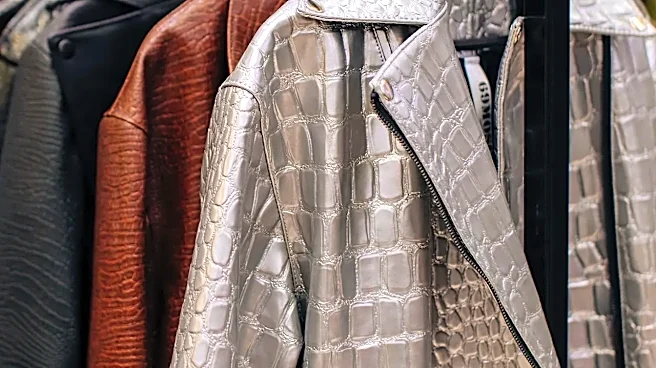
While a viewer sees a beautiful dress, a merchandiser is mentally deconstructing it. How does the fabric drape and move? Is that silk blend practical for the customer’s lifestyle? Will that exaggerated sleeve be comfortable to wear to the office? These professionals often attend private showroom appointments after the runway show where they can touch the fabrics, see the construction up close, and discuss modifications with the designer. They might request a lower heel height on a shoe or a less dramatic neckline on a dress to make the item more commercially viable. This focus on practicality ensures that the clothes don't just look good on a six-foot-tall model, but will also fit and flatter a wider range of body types.
Building a Cohesive Story
A buyer isn't just purchasing individual items; they are curating a collection for their store that tells a coherent story. They must consider how a piece from one designer will sit next to another on the shop floor. Does this new collection align with the store's existing brand identity and the customer's taste? They look at the first and last looks of a show, which are deliberately chosen to set the tone and leave a lasting impression. By analyzing the entire presentation—including the music, set design, and overall mood—they get a sense of the designer's vision and how it can be integrated into their retail environment. It’s a strategic puzzle, fitting new trends and pieces into a larger narrative that will resonate with their specific audience.