
The Illusion of Freedom
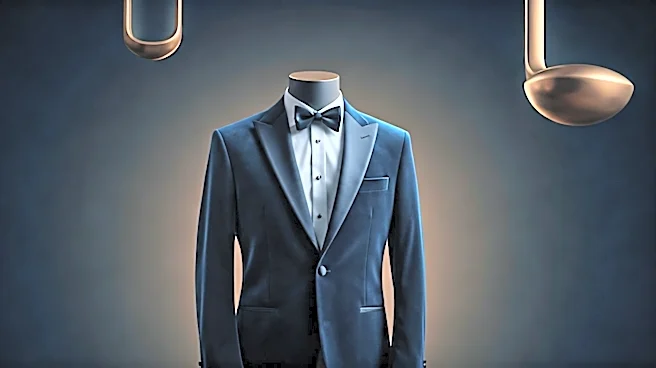
A specific dress code, like “cocktail attire,” might feel restrictive, but it’s a gift. It provides a clear framework, a defined target to aim for. You know the assignment. “No dress code,” however, is a test. It’s a blank canvas where you’re judged not
on your ability to follow rules, but on your inherent taste, your cultural fluency, and your understanding of the unspoken social landscape. In a creative industry hub like Tribeca, this isn't just about clothes; it's about signaling. It’s a subtle audition that asks: Do you get it? Do you belong? This ambiguity is the trap. The lack of rules creates a hundred new, invisible ones. The pressure shifts from simply looking appropriate to looking effortlessly, intuitively correct. It’s the difference between passing a multiple-choice test and acing an essay question about the nature of the universe.
Decoding the Downtown Uniform
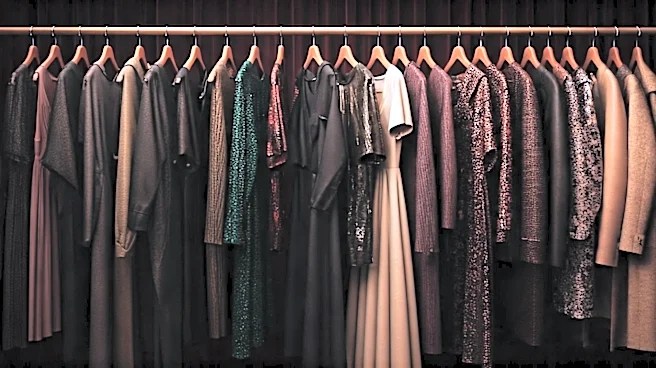
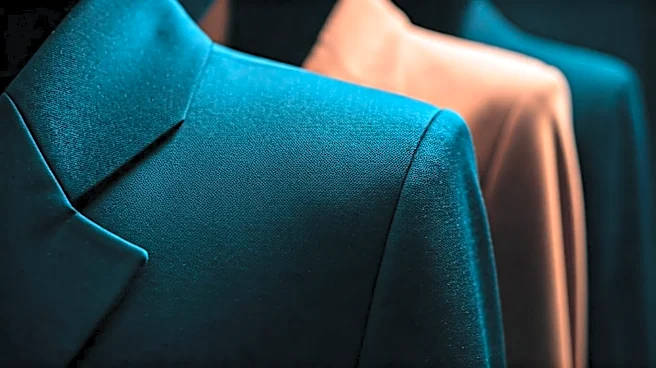
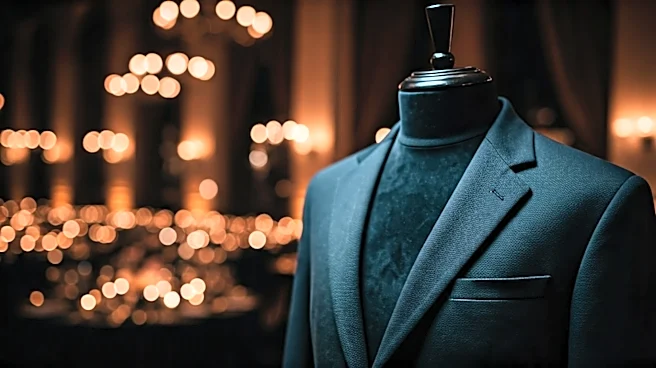
While there’s no formal code, there is absolutely a uniform. Forget Hollywood red-carpet glam. Tribeca’s aesthetic is pure Downtown New York: elevated, intellectual, and artfully casual. Think of it as “creative professional on their best day.” For men and women alike, this often translates to a few key elements. It starts with a foundation of expensive-looking basics: a perfectly cut t-shirt, dark-wash denim that fits just so, or tailored trousers. The magic is in the third piece—a beautifully structured blazer, a unique vintage jacket, or a striking piece of knitwear. It's about texture and silhouette over sequins and bright colors. Footwear is crucial. This is a walking city and a standing-around festival, so it’s less about stilettos and more about designer sneakers, sleek loafers, or stylish block heels. The overall vibe says, “I have impeccable taste, but I’m far too busy and important to look like I tried too hard.”
Strategy Over Stress
Instead of panicking, think strategically. What is your goal for the event? If you’re a filmmaker or writer hoping to network with executives, your outfit should project quiet confidence and professionalism. Think dark, monochromatic tones, a sharp blazer, and clean lines. You want to be remembered for your pitch, not your peacocking. If you’re an artist or actor wanting to express your creative identity, you have more license to play. This is where a single statement piece—an unusual accessory, a bold jacket, or a piece from an up-and-coming designer—can work wonders. It becomes a conversation starter that feels authentic to your personal brand. If you’re just there to soak in the scene, the safest and strongest bet is the “Effortless Insider” look: luxury basics, great shoes, and an excellent bag or coat. You’ll blend in with the festival veterans and project an air of belonging.
The Practical Non-Negotiables
Beyond the social calculus, there are practical realities to dressing for a festival that sprawls across a city. First and foremost: comfort. You will be on your feet for hours, moving between venues, standing in lines, and navigating crowded parties. Uncomfortable shoes are a rookie mistake that will ruin your night faster than a bad film. Second, embrace the power of layering. New York weather is famously fickle, and indoor venues often blast the air conditioning. A great jacket or sweater you can take on and off is not just a style choice; it’s a survival tool. Finally, don’t underestimate the power of accessories. A simple, well-chosen outfit of a black sweater and jeans can be transformed by a fantastic pair of earrings, a distinctive watch, or a well-structured bag. These details do the heavy lifting, signaling taste and intention without requiring a full-body sartorial statement.