


The Battle Against Meltdown
The number one enemy on a live television set is heat. Studio lights are notoriously hot, and that heat creates sweat, which in turn creates shine—the mortal foe of a high-definition camera. The defense starts long before any foundation is applied. An
artist's first step is prepping the skin with an oil-free, mattifying primer. This creates a smooth canvas and acts as a barrier, helping makeup last longer. For foundation, artists often choose silicone-based or specific HD formulas designed to look seamless and natural even when magnified by the camera. These are applied in thin, carefully blended layers. The most crucial step is setting the look. A colorless, finely milled powder is dusted over the face, especially the T-zone, to lock everything in and control shine. But the real secret weapon is a professional-grade setting spray, which acts like a sealant, locking the makeup in place for hours of wear and tear.
Ready for the High-Definition Close-Up
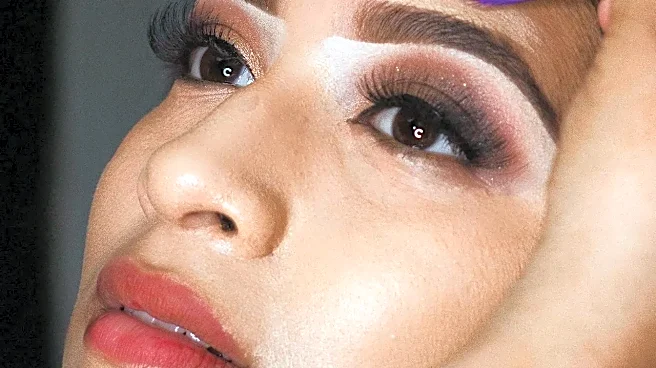
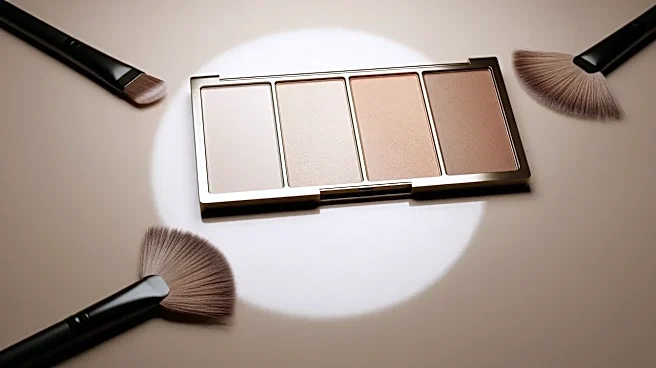
High-definition isn't just a buzzword; it's a challenge. HD cameras pick up every detail, meaning there is no room for error. This is why blending is a non-negotiable obsession for on-camera artists. Harsh lines from foundation, blush, or eyeshadow that might go unnoticed in person become glaringly obvious on screen. Artists spend much of their time buffing and blending products into the skin for a seamless finish. Product choice is also critical to avoid on-screen disasters. For instance, certain powders and foundations containing SPF or silica can cause "flashback"—a ghostly white cast that appears under the bright studio lights, making the talent look blotchy. Artists meticulously select products known to perform well on camera. They also use contouring and highlighting to add dimension back to the face, as the powerful lights can make features appear flat. The key is subtlety; the goal is to define features without looking overly sculpted.
The Art of Indestructible Hair
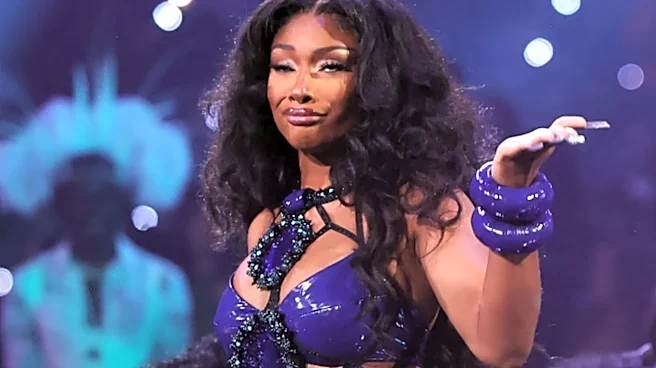
While makeup battles shine and texture, hairstylists fight a war against frizz, flatness, and gravity. The same heat that melts makeup can cause carefully styled hair to droop or frizz. The plan here involves a cocktail of products designed for maximum endurance. It starts with a good foundation, often a volumizing mousse or a heat protectant spray applied to damp hair before styling. For news anchors and others who need a polished, controlled look, stylists rely on strong-hold hairsprays and anti-humectant finishing sprays to lock every strand in place and repel moisture from the air. For more elaborate styles, especially in performance settings, the techniques become even more complex, sometimes involving hidden extensions for volume or intricate pinning that must remain invisible to the camera. The ultimate goal is continuity—the hair has to look just as perfect in the final minute of the broadcast as it did at the start.
Racing the Live Television Clock
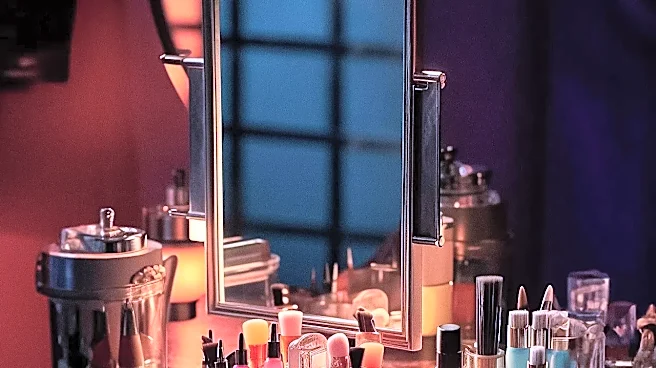
Perhaps the most intense part of the job is what happens when the cameras aren't rolling. During a frantic 90-second commercial break, the hair and makeup team springs into action. This is where organization and speed are paramount. Their kits are arranged for maximum efficiency, with essentials laid out and ready to go. The first priority is usually shine control. An artist will rush in with a puff loaded with translucent powder or blotting papers to absorb any oil without disturbing the makeup underneath. A quick spritz of setting spray can refresh the look instantly. They might touch up lipstick, re-powder a shiny nose, or smooth a stray hair. This high-pressure dance requires incredible focus and a calm demeanor. The team must get the talent camera-ready again before the floor director signals the countdown, making their work a truly unseen and high-stakes performance.