



The Engine of Conflict
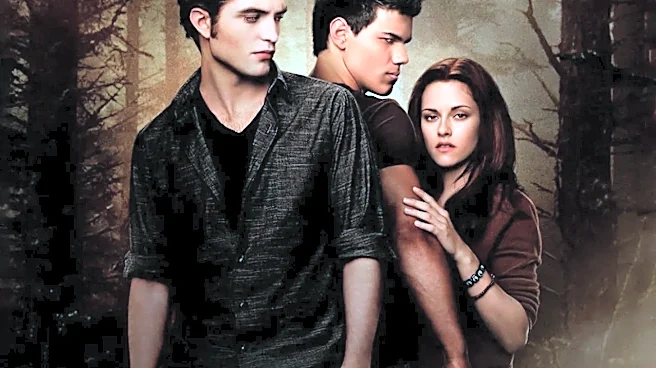
At its most basic level, the love triangle is a masterclass in generating conflict. Serialized television thrives on tension, and few things create sustained, emotionally charged drama as efficiently as a romantic triad. The structure guarantees high
stakes, forcing characters to confront jealousy, loyalty, and desire. It’s not just about who the protagonist will choose; it’s about the ripple effects of that choice on friendships, family, and the show's entire social ecosystem. This externalizes a character's internal struggles, making abstract feelings of doubt or passion visible and urgent for the audience.
A Choice of Identity, Not Just Partners
The most effective love triangles are rarely about choosing between two equally viable partners. Instead, they’re about choosing between two different versions of a life. Each potential love interest often represents a distinct path: one might offer safety and stability, while the other promises passion and unpredictability. Think of it as a narrative fork in the road. The decision the protagonist makes is ultimately an act of self-definition, revealing who they are and who they want to become. This transforms a simple romantic dilemma into a profound exploration of identity, making the audience invest not just in the relationship, but in the character’s personal growth.
The Psychology of Attachment
Our fascination with on-screen love triangles may also have deeper psychological roots. Some therapists suggest our very first relational dynamics are triangular—involving ourselves and our parents. These early experiences of desire, exclusion, rivalry, and loss become a blueprint for how we navigate relationships later. Fictional love triangles allow us to revisit and process these intense, often repressed emotions in a safe, controlled environment. They tap into unconscious feelings about attachment, dependence, and autonomy, making the on-screen drama resonate on a surprisingly personal level.
An Interactive Spectator Sport
In the age of social media, the love triangle has evolved from a simple plot device into a full-blown interactive experience. Viewers passionately align themselves with one potential partner, creating “teams” that fuel online discourse for weeks. This engagement is a massive boon for networks and streaming services, keeping a show at the forefront of the cultural conversation. The debate over who is the “right” choice creates a sense of community and friendly competition among fans. The structure invites viewers to analyze every glance, conversation, and decision, turning them from passive observers into active participants in the narrative.