


The Power of a Shadow
In the world of art and design, a silhouette is the solid, dark outline of an object or person. It’s what you would see if the character were standing in front of a bright light, revealing only their shape. Character designers for video games, film, and animation
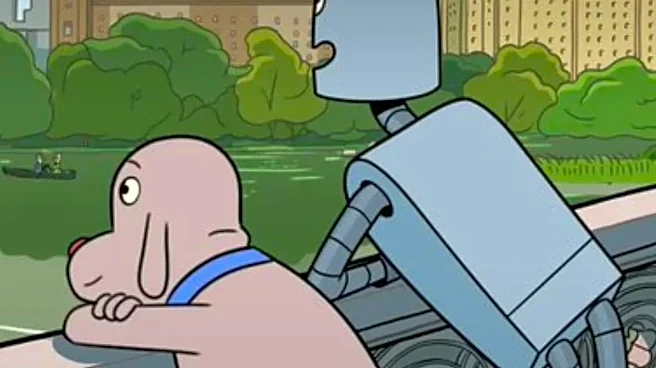
obsess over this concept. They know that a strong, unique silhouette makes a character instantly readable and memorable, even in a fast-moving scene or from a great distance. Our brains are hardwired to recognize shapes long before we process colors or intricate details. This principle is the foundation of creating an identity. Think of Mickey Mouse’s ears, Batman’s pointed cowl, or the distinct shape of Darth Vader’s helmet and cape. You don't need to see the specifics to know who they are; their outlines tell the entire story.
From Character Design to Cosplay
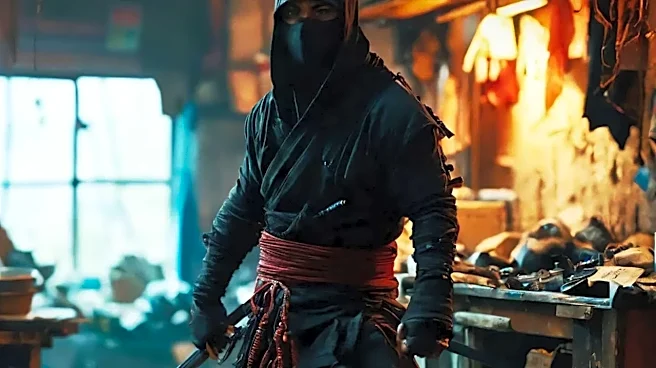
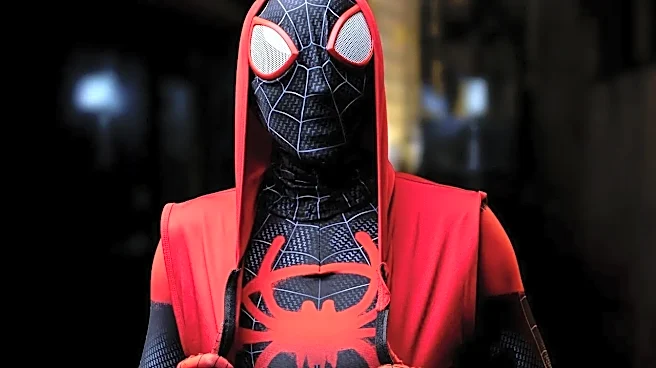
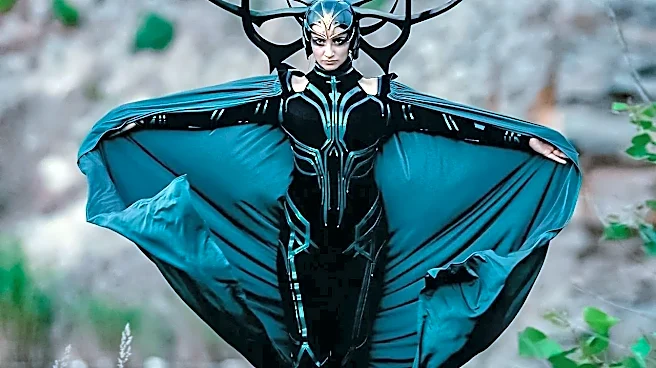
This same design logic is paramount in cosplay. When you embody a character, you are translating a 2D or 3D design into the real world. The most successful translations are the ones that nail the character's core shapes first. An amazing cosplay is often recognizable from 50 feet away because the cosplayer prioritized the large forms: the sweep of a cloak, the spike of a hairstyle, the exaggerated proportions of armor, or the specific posture of the character. These elements form the costume's foundation. Artists often test their designs by turning them into a solid black shape to see if they are still identifiable. If the character becomes an unrecognizable blob without its internal details, the design has a weak silhouette. The same test applies to cosplay. If your costume's outline is muddled, the overall effect will be confusing to the viewer, no matter how much time you spent on the small details.
Shape Language: Speaking Without Words
Beyond recognition, silhouettes communicate personality through a concept called “shape language.” Broad, square shapes suggest stability and strength, like a heavily armored warrior. Soft, rounded shapes feel friendly and approachable, which is why many heroic and gentle characters are designed with circles and ovals. Sharp, triangular shapes often convey danger, speed, or aggression. A cosplayer who understands this can use it to their advantage. By padding a costume to create broader shoulders, using wire to give a cape a dynamic, angular flow, or choosing fabrics that create soft, round forms, they are embedding the character’s personality directly into the costume’s shape. This focus on form does more to communicate the essence of a character than having the precisely correct shade of blue on a cufflink.
So, Does Accuracy Even Matter?
This isn't to say that accuracy is worthless. It absolutely has its place. Accuracy is the reward for a closer look. After the silhouette draws someone in, the fine details are what make them stay and admire the craftsmanship. The perfectly weathered belt buckle, the hand-embroidered pattern, the screen-accurate buttons—these are the elements that elevate a good cosplay to a great one. But without a strong foundational silhouette, those details can get lost. Think of it as building a house. The silhouette is the frame and foundation. It has to be strong and have the right shape. The intricate details are the paint, the fixtures, and the furniture. They make the house a home, but they can't fix a weak structure. For many fictional characters, 100% accuracy is impossible anyway, as animated designs often defy real-world physics. In these cases, adapting the design to create a flattering and readable silhouette on a real human body is far more effective than a frustrating pursuit of impossible accuracy.