

The New Uniform of Understated Wealth
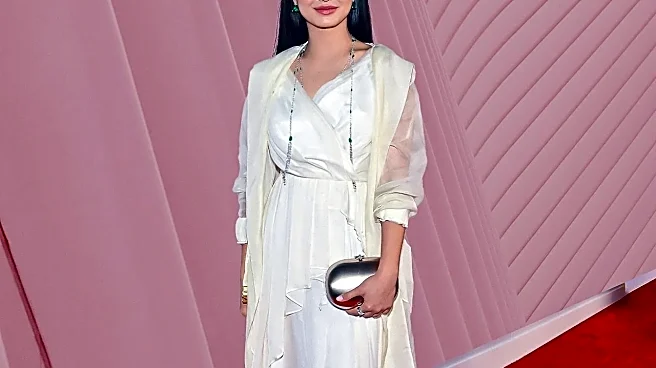
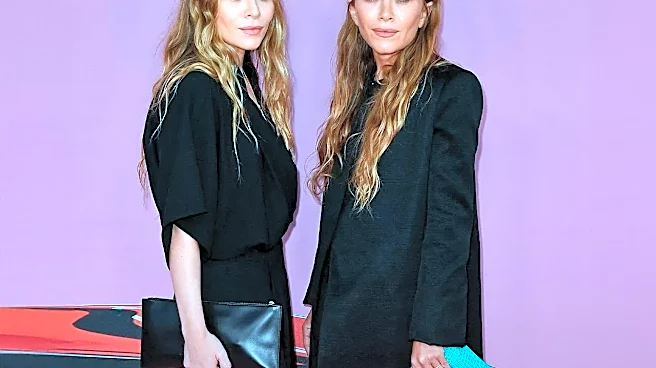
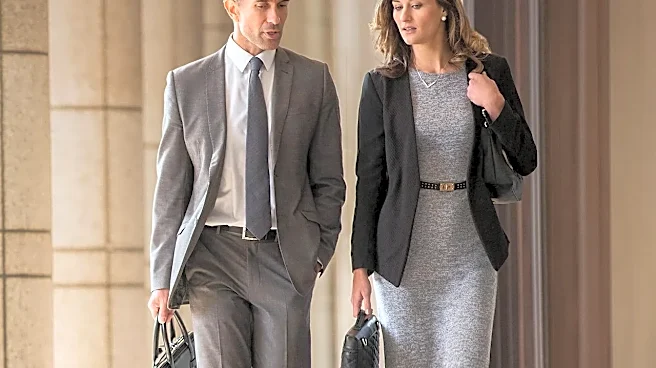
First, let's define the phenomenon. Quiet luxury, also known as 'stealth wealth,' is a style movement prioritizing quality, craftsmanship, and timelessness over conspicuous branding. It’s the art of looking effortlessly refined in pieces that signal value
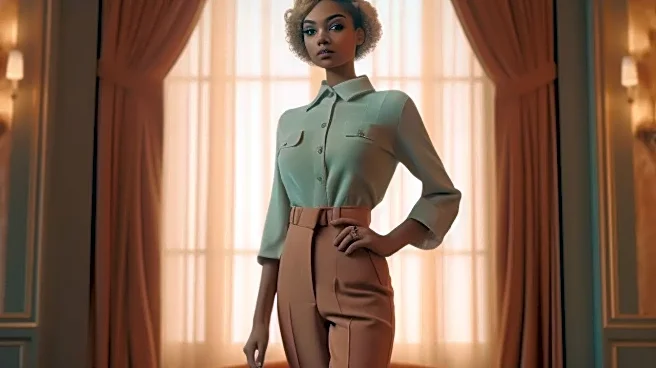
through their impeccable cut and luxurious fabric—think cashmere, fine wool, and silk—not a logo. Brands like The Row, Loro Piana, and Toteme have become synonymous with this aesthetic, offering a uniform of neutral-toned, perfectly tailored staples. The look is a direct and deliberate rebellion against the flashy, influencer-driven maximalism of the 2010s. Instead of asking “Who are you wearing?,” the question becomes a more subtle appreciation of form and material. It's a choice that values longevity over fleeting trends, a quiet vote for pieces that will remain stylish for years, not just a season.
A Flashback to the Minimalist Nineties
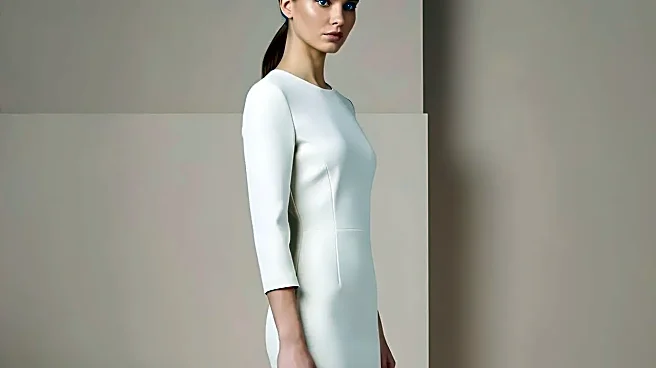
This mood of refined restraint has a clear precedent: the 1990s. The defining aesthetic of that decade was minimalism, a palate cleanser that arrived after the wild, opulent, and shoulder-padded excess of the 1980s. Designers like Calvin Klein, Jil Sander, and Helmut Lang became the architects of this new, pared-down look. They championed sleek silhouettes, clean lines, and an almost architectural approach to clothing, often in a restrained palette of black, white, grey, and beige. The icons of the era weren't dripping in jewels; they were embodying an effortless cool. Think of Carolyn Bessette-Kennedy in a crisp white shirt and simple black skirt, or Kate Moss in a slinky, unadorned slip dress. Their style was about the purity of the garment and the confidence of the wearer, making the individual—not the brand—the focus.
An Echo of Economic Caution
The parallel isn't just aesthetic; it’s cultural and economic. The minimalism of the 90s emerged during a period of global recession, offering a sober, more grounded alternative to the previous decade's flamboyance. It was chic, but it wasn't flashy—a subtle acknowledgment of a more cautious world. Fast-forward to the 2020s, and we see a similar pattern. Emerging from a global pandemic and facing economic uncertainty, many have tired of the relentless churn of fast fashion and over-the-top displays of wealth common in the social media age. Quiet luxury, sometimes even dubbed 'recessioncore,' reflects a collective desire for something more lasting, discreet, and meaningful. It's a way to invest in quality without feeling ostentatious during a time of widespread anxiety, subtly signaling taste to those 'in the know' rather than broadcasting wealth to everyone.
Not a Revival, But a Remix
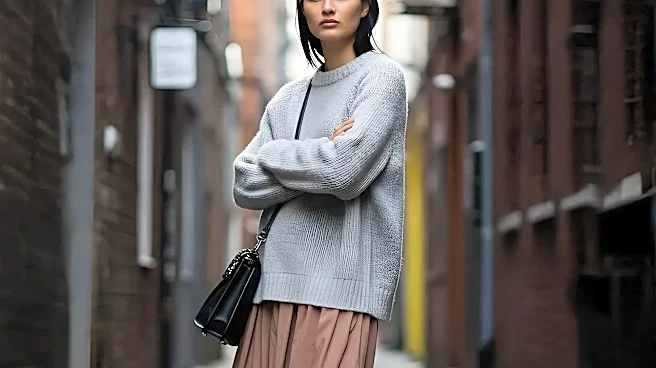
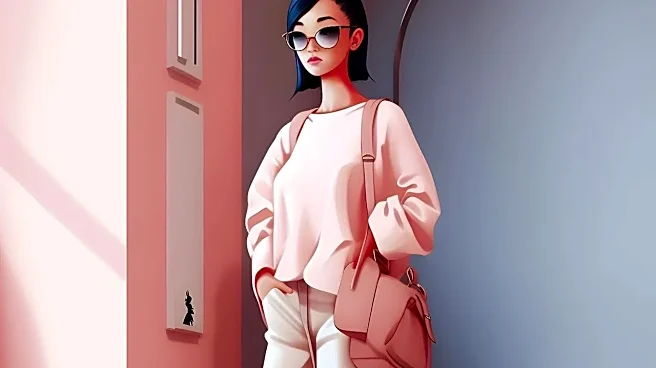
But to call today's quiet luxury a simple copy of 90s minimalism would be missing the point. It’s more of a remix, updated for a modern sensibility. While the 90s aesthetic often had a sharp, sometimes austere edge, today's interpretation is softer, cozier, and more relaxed. Decades of athleisure have permanently influenced our expectations of comfort, so the 2020s version of a tailored trouser might have a looser cut, and a minimalist sweater is likely to feel more indulgently soft. The silhouettes are often more fluid and less structured, blending the clean lines of the 90s with a contemporary focus on ease and personal comfort. It’s the 90s spirit filtered through a 2020s lens, where luxury is not just about how you look, but how you feel, whether you’re in a boardroom or on your own couch.