



The New Arena for Individuality
For years, menswear at awards shows felt like a uniform: black tuxedo, white shirt, black tie. But as the 2026 Emmys demonstrated, the game has changed. While classic black-tie remains a powerful theme, the room for personal expression has expanded. With
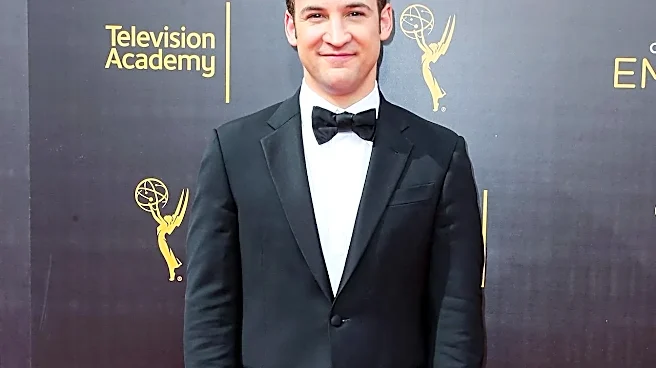
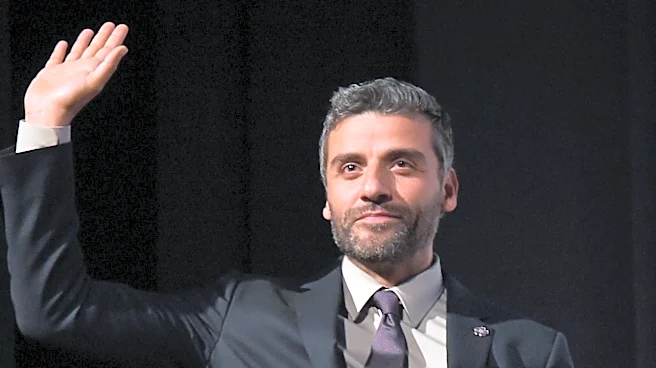
most men adhering to the formal dress code, the bow tie has become a primary canvas for individuality. It's the place where a star can signal whether he’s a traditionalist, a rebel, or an aspiring style icon. Some, like Yahya Abdul-Mateen II, opted for a traditional bow tie to ground a more textured tuxedo jacket. Others, including Oscar Isaac and Adam Brody, skipped neckwear entirely, a statement in its own right. This makes the choice to wear a bow tie—and how to wear it—more significant than ever.
Classic Execution vs. Creative Rebellion
This year's blue carpet saw two distinct camps emerge. In one corner stood the classicists. Actors like Matthew Rhys in Thom Browne and Noah Wyle in Brunello Cucinelli showcased the enduring power of a perfectly proportioned, self-tied black bow tie. Their looks were a masterclass in precision and timeless elegance, proving that when executed correctly, the classic black bow tie is unbeatable. In the other corner were the experimentalists. These stars used the bow tie to push boundaries, embracing oversized proportions, and unique textures. This trend isn't just about being different; it's a calculated risk. A larger bow can add a contemporary, fashion-forward edge, but it can also overwhelm a look if not balanced correctly.
The Perils of Proportion
For every successful style experiment, there’s a cautionary tale. The bow tie, for all its charm, can be a treacherous accessory. Proportions are everything. An oversized bow on a smaller frame or paired with a slim-lapel jacket can look comical. Conversely, a tiny bow tie with a wide, structured tuxedo can appear shrunken and lost. One need only look at past red carpet missteps to see how it can go wrong. The key is balance. It's a lesson in understanding not just trends, but one's own physique and the geometry of the entire outfit. A poorly chosen bow tie can make an expensive, custom-made tuxedo look sloppy and ill-conceived.
More Than Just a Knot
The bow tie's influence extends beyond just its size and shape. Its very history is rooted in formality, evolving from the cravats worn by 17th-century Croatian mercenaries into the centerpiece of tuxedo attire by the late 1800s. Today, the choice between a self-tie and a pre-tied bow is a significant tell. Stylists and fashion purists champion the self-tied bow for its subtle, charming imperfections—the slight asymmetry that signals authentic effort and sophistication. The perfectly symmetrical, pre-tied version, while convenient, can sometimes lack that character. Even the state of the tie tells a story, from the perfectly knotted bow on arrival to the artfully undone look at the after-party, a silent signal that the formalities are over and it's time to relax.