








The Three-Country Challenge
This is the first World Cup hosted by three nations, creating a unique travel puzzle for fans. The 11 U.S. host cities are Atlanta, Boston, Dallas, Houston, Kansas City, Los Angeles, Miami, New York/New Jersey, Philadelphia, San Francisco Bay Area, and
Seattle. With matches also in Vancouver, Toronto, Guadalajara, Mexico City, and Monterrey, the key is to choose a home base. Rather than trying to see it all, focus on a regional cluster of cities to minimize travel time and costs between matches.
Know Your Market: Big Hubs vs. Budget Cities
Lodging costs vary dramatically between host cities. Major hubs like New York/New Jersey, Boston, and Vancouver are seeing the highest average nightly rates, some exceeding $500 or more. In contrast, cities like Houston and Atlanta offer much better value, with average hotel rates closer to the $200-$220 range. Houston is considered the most affordable U.S. host city, with hotel price increases on match days being relatively minimal. Kansas City also projects as a more affordable option, though its smaller hotel inventory means booking early is critical.
Think Beyond the Hotel Room
With hotels in high demand, alternative lodging is a smart move. Short-term vacation rentals on platforms like Airbnb and Vrbo are popular, especially for groups and families who can split costs and enjoy more space. However, be aware that some cities, like Vancouver, have strict regulations on short-term rentals. Another rising trend is luxury RV glamping, which combines lodging and transportation while offering a built-in community for tailgating. For solo travelers or those on a tight budget, hostels are available in all major host cities, with prices in U.S. cities ranging from $40 to $90 per night.
Stadium Location Isn't Everything
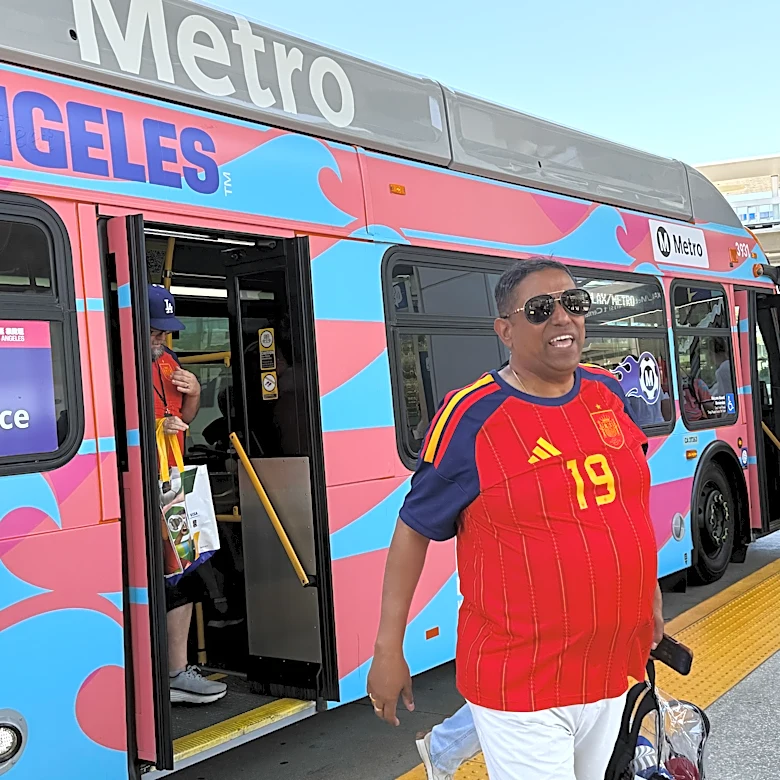
Many stadiums are located outside the main city center, creating a strategic choice for travelers. For example, MetLife Stadium, host of the final, is in East Rutherford, New Jersey, a commute from Manhattan. Gillette Stadium is in Foxborough, Massachusetts, making nearby Providence, Rhode Island, a viable and often cheaper alternative to Boston. In sprawling cities like Los Angeles and Dallas, staying near public transit lines is more important than being next to the stadium. Look for lodging in neighborhoods with good transit access to both the stadium and fan zones to balance convenience with cost.
Booking Strategy: Be Flexible and Act Fast
While some early predictions of sky-high prices have softened in certain U.S. markets, demand remains intense. The best strategy is to book refundable rooms as soon as you know your target city. This locks in a price and gives you the flexibility to cancel if a better deal appears. Keep an eye out for official fan travel packages, which can bundle tickets and accommodation. For matches in Canada and Mexico, U.S. travelers should confirm all necessary travel documents, like a valid passport and any required travel authorizations, well in advance.
The Mexico Value Play
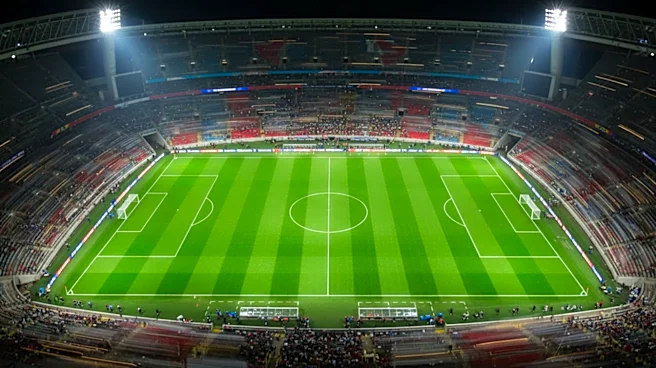
For fans with flexibility, the Mexican host cities—Mexico City, Guadalajara, and Monterrey—offer incredible value. Average nightly rental rates in these cities are around a third of what you might pay in many U.S. host cities. Mexico City's historic Estadio Azteca will host the tournament's opening match, offering a chance to be part of history. While demand is surging in Mexico, the affordability of lodging, food, and local transport makes it a highly attractive option for American travelers.