




A Partnership Forged in Turmoil
To understand the weight of the Kids See Ghosts debut at Camp Flog Gnaw 2018, you have to understand the turbulent history between Kanye West and Kid Cudi. This wasn't just a supergroup; it was the culmination of a decade-long saga. Cudi, once West’s
protégé and a key architect of the sound that defined '808s & Heartbreak,' had a public and painful falling out with his mentor. Both artists had also been extraordinarily open about their personal demons. In the years leading up to 2018, West had a public mental health crisis that halted his Saint Pablo Tour, while Cudi checked himself into rehab for depression and suicidal urges. Their reunion wasn't just a surprise, it felt like a miracle. The 'Kids See Ghosts' album, released just months before the festival, was a raw, psychedelic exploration of their shared struggles. It was a project born from breakdown and breakthrough, making its live debut less of a concert and more of a public testimony.
More Than Just a Performance
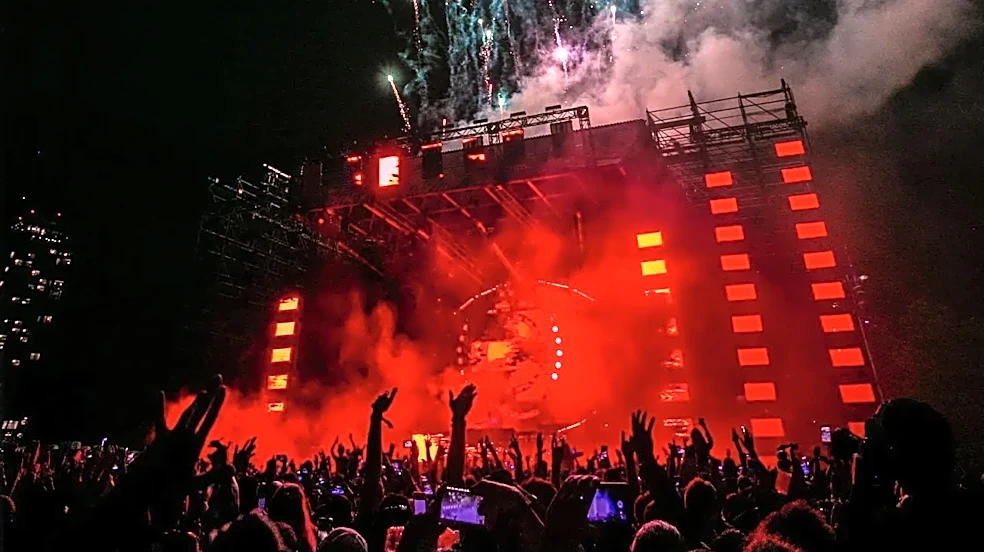
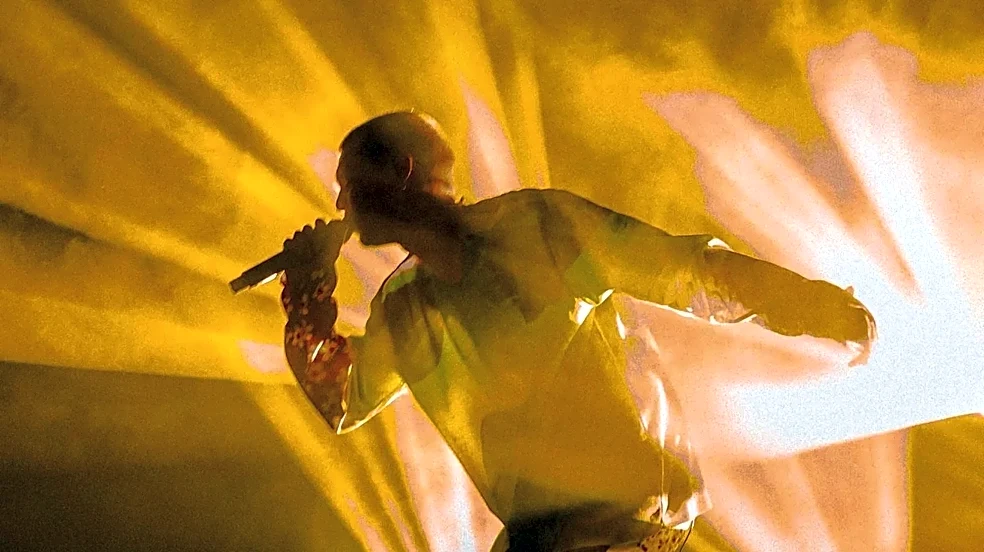
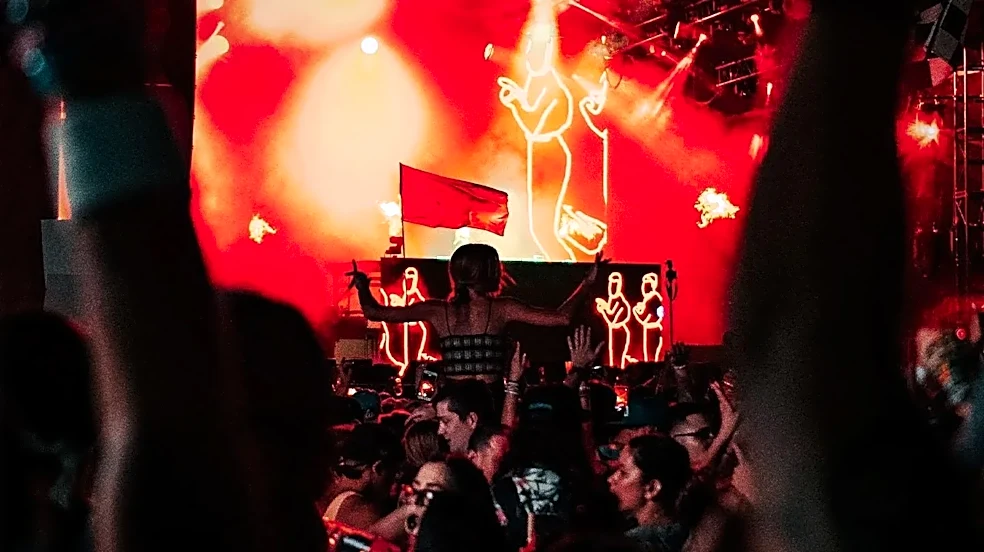
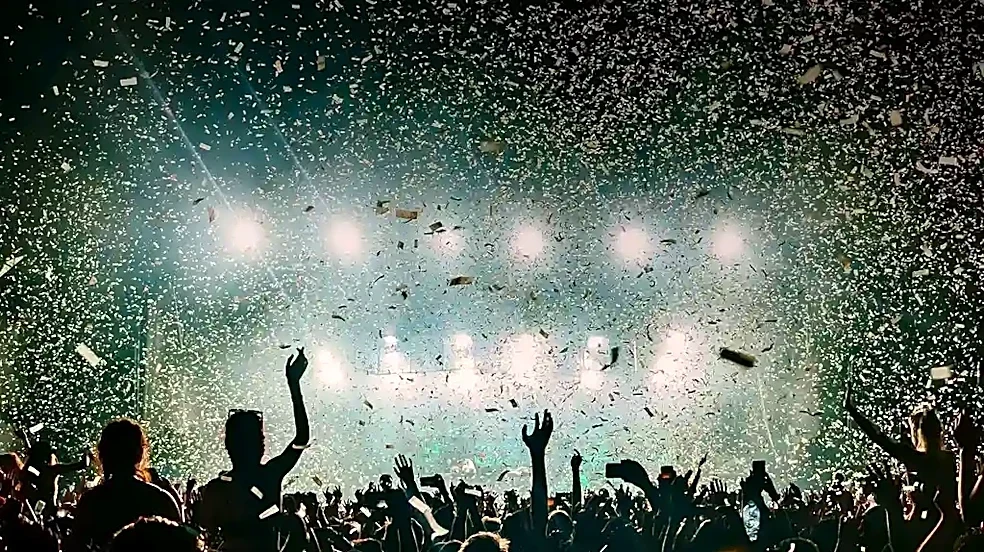
When the lights went down at Dodger Stadium, the anticipation was electric. This was the first-ever live performance by Kids See Ghosts. What the crowd saw was instantly iconic: a massive, rectangular glass cage, suspended and floating above the stage. Inside, silhouettes of West and Cudi moved like captive spirits finally set loose. West, with his hair dyed a fiery red-orange, bounced with manic energy, while the lankier Cudi stalked the enclosure, his signature hums grounding the spectacle. The stage design itself became a story. Though singer Lorde would later claim the duo stole the concept from her 2017 tour—a charge their shared stage designer complicated by noting she had used similar concepts for years—the visual was undeniably powerful. It was a fragile, transparent room floating in darkness, a perfect metaphor for the vulnerable themes of the music being performed within it. They weren't just on stage; they were inside the music.
Music for the Haunted
The 45-minute setlist was a tour through their shared pain and eventual triumph. They ran through nearly the entire 'Kids See Ghosts' album, with tracks like 'Feel the Love,' 'Reborn,' and 'Freeee (Ghost Town, Pt. 2)' taking on the feel of gospel hymns for a modern, anxious generation. The chorus of 'Freeee'—'Nothing hurts me anymore / Guess what, babe? I am freeee!'—became a cathartic chant screamed by both the artists and the thousands of fans below. The performance wasn't technically perfect; some noted that Cudi seemed a bit rusty and Kanye flubbed a few lines. But it didn't matter. The raw emotion was the point. They also dipped into their solo catalogs, performing '808s & Heartbreak' classics like 'Welcome to Heartbreak' and Cudi’s anthem 'Pursuit of Happiness.' Each song choice felt deliberate, weaving a narrative of two artists who had walked through fire and come out on the other side, together.
The Set's Enduring Legacy
So why does this specific set still echo years later? Because it captured a critical moment in time. For Kid Cudi, it was a triumphant return to form, reminding everyone of his vital role in shaping modern hip-hop's emotional landscape. For Kanye West, it was more complicated. The performance represented a creative and spiritual peak, a moment of clarity and communal joy before his public persona would become consumed by even greater controversy. In retrospect, the Kids See Ghosts show feels like one of the last times audiences got to see that version of Kanye: the visionary artist atoning through his work, live and in public. The show was a lightning-in-a-bottle event that has never been replicated on a major tour, making it a singular moment in festival history. It wasn't just a great booking; it was a piece of performance art about redemption, friendship, and the ghosts we all carry.