


The Runway as Performance Art
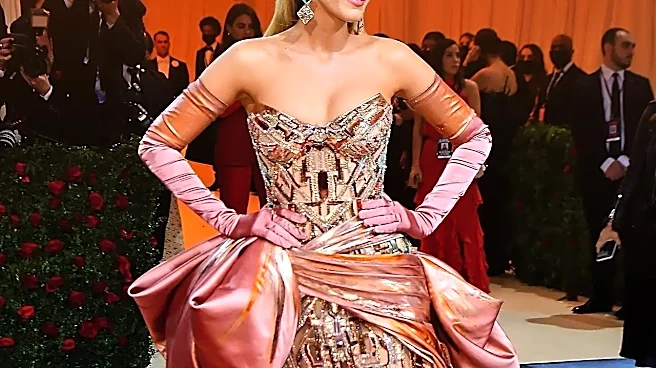
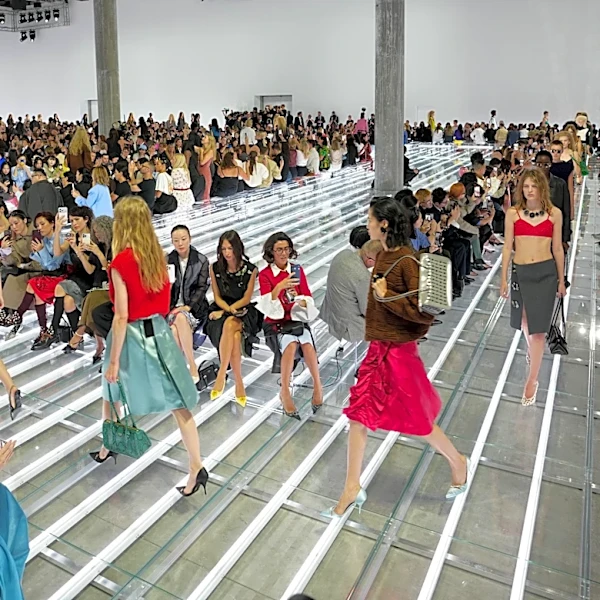
The journey begins on the world's most exclusive runways, which often function more as laboratories for ideas than as practical shopping catalogs. When a designer like Simon Porte Jacquemus first debuted the 'Le Chiquito' micro-bag in 2017, it wasn't
necessarily meant to be a daily carry-all. It was a statement. This is fashion as performance art, designed to grab attention, challenge our notions of utility, and create a viral moment. These extreme proportions—whether comically small or titanically large—are an exercise in novelty. They break through the noise of a crowded fashion landscape, generating buzz and conversation that function as powerful, organic marketing. The initial reaction is often disbelief or amusement, but in fashion, being noticed is half the battle.
The Celebrity and Influencer Bridge
An impractical accessory on a runway is an abstract concept; on a celebrity, it’s an aspirational reality. This is the crucial second step. When stars like Rihanna, Liz,o and Kendall Jenner were spotted with Jacquemus's tiny bags, the trend was instantly legitimized. Celebrities and social media influencers act as a bridge between the avant-garde and the mainstream. Their job is to show the world how such an item could possibly be worn. A-listers carrying a micro-bag signal a lifestyle of minimalism and confidence, while those sporting an oversized tote project an air of being prepared for anything. Through carefully styled photos on Instagram and candid street-style shots, they domesticate the trend, making the absurd seem cool and, eventually, desirable.
The Psychology of Wanting the 'Useless'
So why do we fall for it? Part of the appeal is the psychology of status and rebellion. A tiny bag that can't hold a phone is, in its own way, the ultimate luxury. It telegraphs a lifestyle where practicality is someone else's problem. You have people, pockets, or other places for your essentials. Conversely, a massive tote can signal a life so full and important that you must carry it all with you, a sort of portable command center. These bags are conversation starters. Choosing an accessory that plays with proportion is a form of self-expression, showing a connection to high fashion and a sense of humor. It's a wink to those who are in on the joke, a way to participate in a cultural moment.
Trickle-Down to Wearable Reality
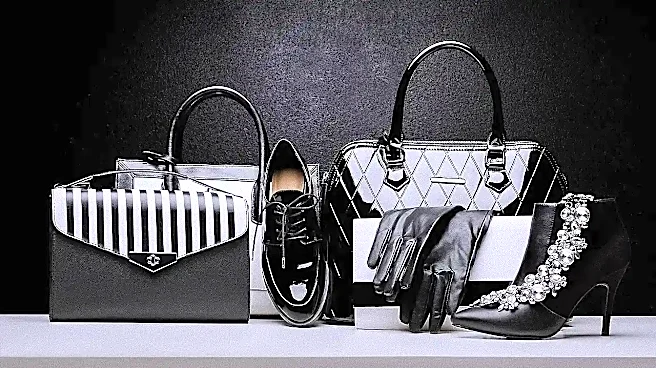
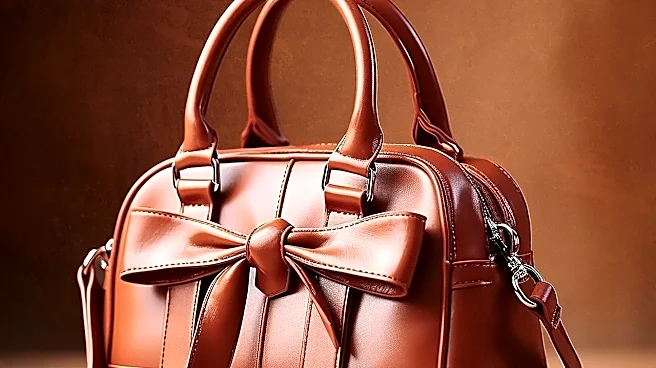
The final stage is adaptation. Once the trend is cemented by celebrities, mass-market and high-street brands get to work creating more accessible versions. The runway's extreme micro-bag, which could barely hold a pair of earrings, inspires a slightly larger—but still small—crossbody that fits a phone and keys. The comically oversized runway tote that required its own airplane seat is scaled down to a large-but-manageable shopper perfect for a laptop and gym clothes. This is where the trend becomes truly wearable for the average person. The proportions are softened, the practicality is dialed up, but the essence of the original, headline-grabbing idea remains. The silhouette shifts across the entire market, making the once-shocking proportion feel normal and contemporary.