






The Comfort of the Formula
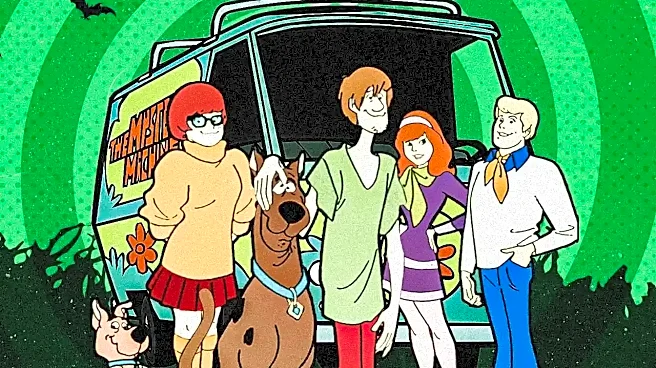
At its core, 'Scooby-Doo, Where Are You!' operates on a deeply comforting and predictable formula. The Mystery Machine rolls into a town plagued by a ghost or monster. The gang splits up to find clues. Shaggy and Scooby find food and trouble, usually
in that order. Velma loses her glasses but finds the crucial clue. Fred devises a trap that mostly works. And in the end, the monster is unmasked to be a disgruntled human with a greedy motive. In a chaotic world, this repetition is a balm. For adults who grew up with the show, this narrative loop provides a sense of order and gentle catharsis, reminding us of a time when every problem could be solved in 22 minutes.
A Gateway to the Gothic
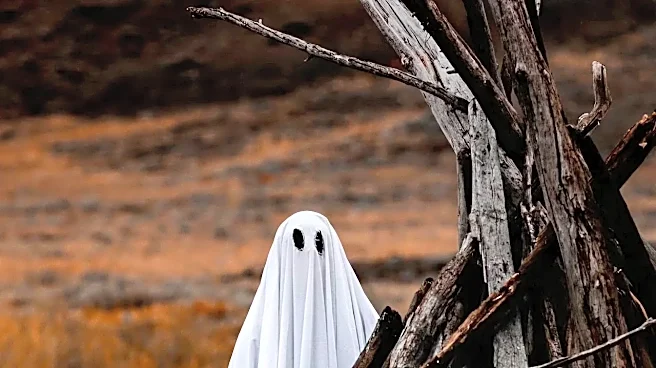
For many, Scooby-Doo was a first brush with the horror genre. It introduced kids to classic gothic tropes—haunted mansions, creepy castles, ghouls in the fog—without the accompanying nightmares. The spooky atmosphere was always cut with slapstick humor and the reassuring knowledge that the threat wasn't real. This blend of creepy and goofy makes it a perfect Halloween watch for adults who want to indulge in the spooky season's aesthetics without committing to genuine scares. It's a light horror experience, providing the thrill of the chase but promising a safe, rational landing.
The Power of the Gang
The enduring appeal of Mystery, Inc. lies in its character dynamics. The gang is a found family of archetypes: the leader (Fred), the damsel (Daphne, though she's evolved), the brain (Velma), and the lovable cowards (Shaggy and Scooby). They are a team of misfits who, despite their differences, work together to achieve a common goal. This dynamic of friendship and loyalty is a powerful draw. Each character is distinct and memorable, and their interactions are often the source of the show's best comedy and heart. This 'squad goals' element makes watching them a fun, relational experience, even decades later.
The Ultimate Lesson: Monsters Are Just People
Perhaps the most profound and lasting element of Scooby-Doo is its core message: the monster is never real. It is always a person in a mask, driven by greed, revenge, or some other distinctly human motivation. This central tenet demystifies fear. It teaches a form of rationalism, encouraging viewers to look for the logical explanation behind the seemingly supernatural. For kids, it’s a lesson that scary things can be understood and confronted. For adults, it’s a nostalgic reminder of a worldview where problems, no matter how monstrous they appear, have human-sized solutions.
Nostalgia in a Groovy Van
Ultimately, the magnetic pull of Scooby_Doo is amplified by nostalgia. The show, which premiered in 1969, is a time capsule of groovy aesthetics, from the Mystery Machine's psychedelic paint job to the characters' bell_bottoms and ascots. Watching it transports many adults back to Saturday mornings spent in front of the television, a simpler time with simpler pleasures. The franchise has been rebooted and reimagined countless times, but the original's charm remains potent. It's more than just a cartoon; it's a connection to our own pasts, wrapped in the comforting, funny, and slightly spooky package of a timeless mystery.