





The Impossible Standard
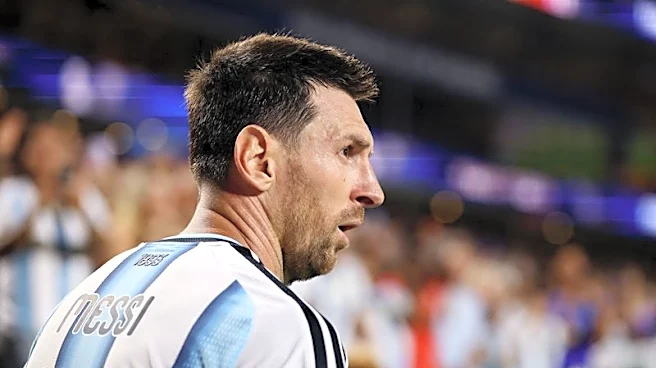
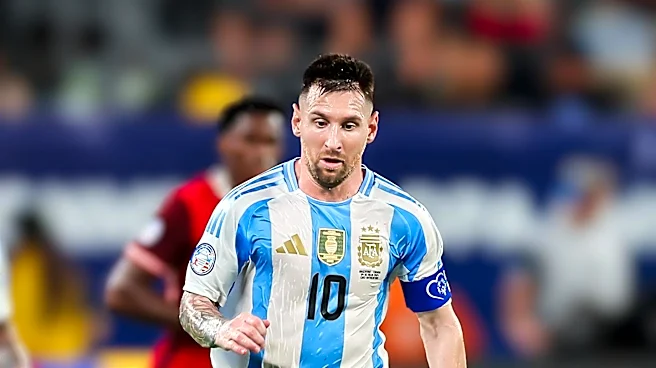
Imagine being called the best player in the world, winning everything for your club, yet constantly hearing that you're not a true national hero. That was Lionel Messi's reality for over a decade. In Argentina, every great player is measured against Diego
Maradona, the icon who led the country to World Cup glory in 1986. Messi, for all his genius at FC Barcelona, couldn't escape that shadow. The accusation, fair or not, was that he didn't deliver for the national team—the blue and white stripes of La Albiceleste. This pressure defined the first chapter of his international career, turning every tournament into a referendum on his legacy. For a quiet, reserved superstar, the weight of an entire nation's hopes was a visible burden.
A Trilogy of Pain
The heartbreak wasn't just a narrative; it was brutally real. It peaked in a three-year span of devastating losses. First came the 2014 World Cup final in Brazil. Argentina lost 1-0 to Germany in extra time. Messi, who had carried the team to that point, was named player of the tournament but looked despondent accepting the award. Then came back-to-back losses in the Copa América finals of 2015 and 2016, both to Chile in penalty shootouts. The 2016 loss was the breaking point. After missing his own penalty kick, a tearful Messi announced his retirement from international soccer. "For me, the national team is over," he said, emotionally shattered by a third consecutive final defeat. A former coach later described finding him crying alone in the locker room "like a baby who had lost his mother." Though public outcry and his love for his country brought him back just months later, the scars were deep.
The First Taste of Glory
After more years of frustration, the tide began to turn. The 2021 Copa América, held in Brazil, offered another chance. This time felt different. A new generation of players had formed a tight-knit unit around their captain, determined to win it for him. Argentina reached the final to face their biggest rival, Brazil, at the iconic Maracanã stadium—the very site of their 2014 World Cup despair. A gritty, tense match was decided by a single goal from Ángel Di María. When the final whistle blew, Messi fell to his knees in tears, mobbed by his ecstatic teammates who tossed him into the air. It was his first major trophy with Argentina, ending a 28-year drought for the country. The immense pressure that had followed him for 16 years had finally started to lift.
The Final Redemption in Qatar
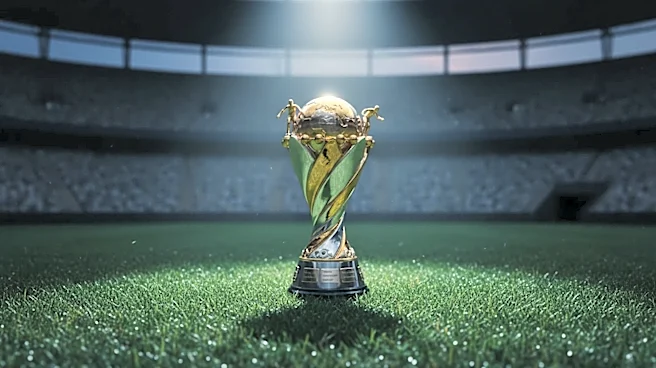
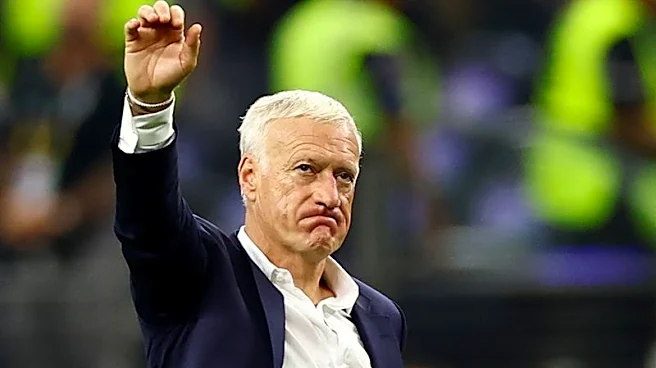
The 2022 World Cup in Qatar was framed as Messi's "last dance." The tournament started with a shocking loss to Saudi Arabia, and it seemed like another chapter of disappointment was being written. But that loss galvanized the team. They fought through every round, with Messi delivering magical moments when it mattered most. They reached the final against the defending champions, France, in what would become one of the most dramatic matches in history. Argentina took a 2-0 lead with goals from Messi and Di María, but France's Kylian Mbappé scored twice in two minutes to force extra time. Messi scored again, only for Mbappé to complete a hat-trick and send the game to a penalty shootout. This time, Argentina held its nerve. They won the shootout, and Lionel Messi finally, at 35 years old, lifted the World Cup trophy. The one prize that had eluded him was his.