




It Starts With the Canvas, Not the Paint
The fundamental difference between a natural look and a glamorous one is the starting point. Full glam can create a flawless canvas with high-coverage foundation, color correctors, and powders, effectively building a new surface to work on. Barely-there
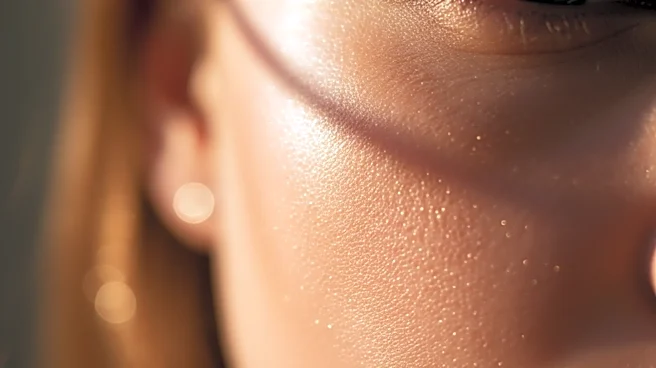
makeup, however, depends almost entirely on the quality of the skin underneath. Makeup artists agree that the most crucial step is an impeccable skincare routine. A hydrated, smooth, and well-prepped base is non-negotiable because sheer products can't hide dryness, texture, or irritation. This shifts the focus from makeup application to diligent skin maintenance—cleansing, moisturizing, and priming become part of the makeup process itself. Unlike glam, where primer is about longevity and smoothness, here it's about creating a real, healthy glow that shines through.
The Color Matching Tightrope
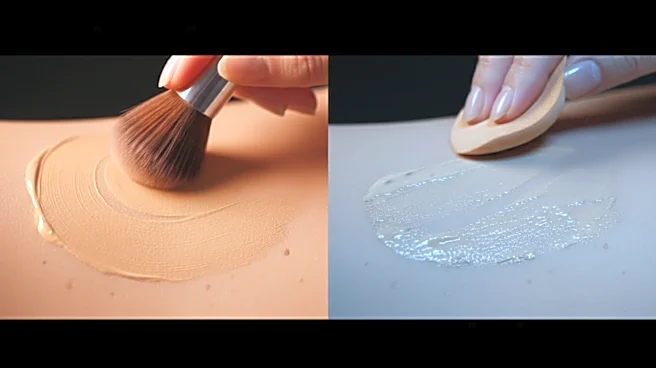
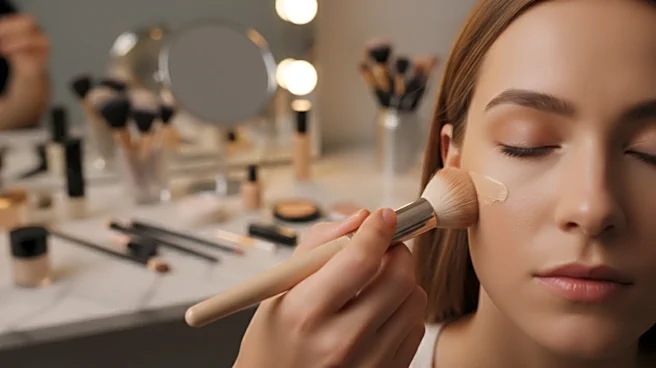
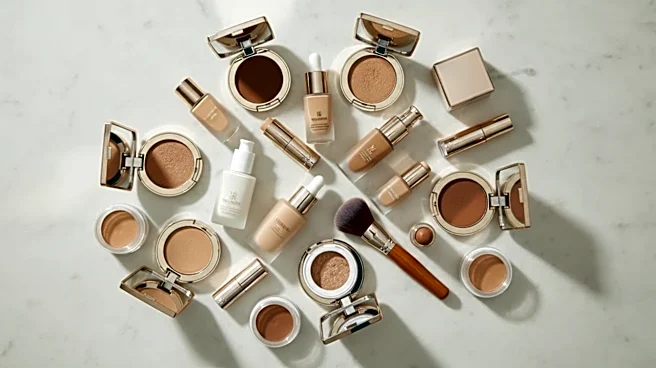
When you’re applying a full-coverage foundation, you have some margin for error. The product is designed to create a uniform tone across the entire face. A natural look does the opposite; it aims to even out the skin tone without masking it. This requires an almost supernatural ability to color match. A sheer foundation or skin tint must disappear into the skin, perfectly matching not just the shade but also the undertones. The same goes for concealer. In a glam look, concealer can be a shade or two lighter to highlight and sculpt. For a natural look, concealer must be an exact match, applied strategically only where needed—around the nose or under the eyes—and blended to be imperceptible. There is no room for a shade that’s slightly too pink, too yellow, or too light; every choice is immediately visible.
An Exercise in Restraint and Precision
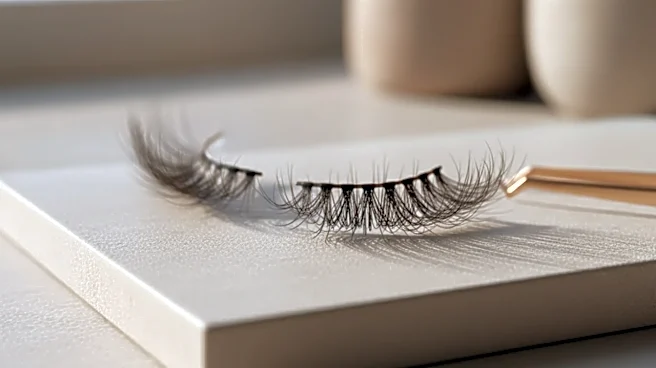
Full glam artistry often involves bold, transformative techniques: sharp contouring, dramatic winged eyeliner, and layered eyeshadow. These require immense skill, but they are acts of construction. Natural makeup is an art of enhancement and restraint. Every product must be applied with a light hand and blended meticulously. Cream blushes are tapped onto the apples of the cheeks to mimic a real flush, not to sculpt. Eyebrows are filled with light, hair-like strokes rather than being sharply defined. Even mascara is applied with more care—a single, clump-free coat to define lashes, not create drama. The goal is for the product to become one with the skin, a process that makeup artists say can be far more time-consuming than laying down more opaque products.
Nowhere to Hide Mistakes
With a full-glam look, a mistake can often be corrected or covered. An eyeshadow that's blended too far can be cleaned up with concealer, and a harsh contour line can be softened with powder. In the world of barely-there makeup, every application is exposed. A heavy-handed swipe of blush on a sheer base is glaringly obvious and difficult to fix without disturbing the delicate layers underneath. A clumpy mascara wand or a slightly-too-dark brow pencil can throw off the entire understated effect. The skill lies in knowing not just how much product to use, but precisely where to place it and, most importantly, when to stop. It's a delicate balance where the ultimate goal is for the technique to be invisible, celebrating natural features rather than creating new ones.