






The Illusion of 'Broad Popularity'
In the age of social media and 24-hour news cycles, it’s easy to mistake visibility for viability. A candidate can dominate headlines, amass millions of online followers, and lead national polls, creating an aura of inevitable victory. This is 'broad
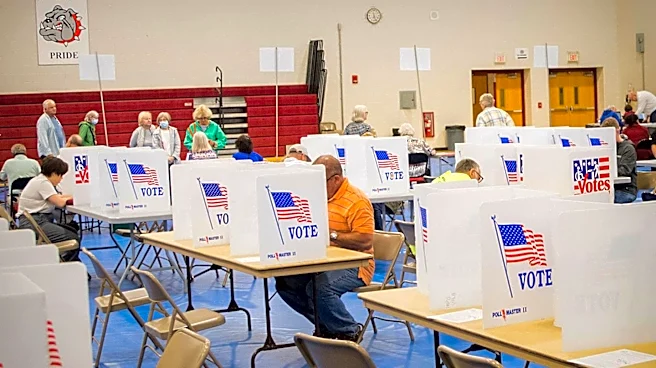
popularity'—widespread name recognition that feels like a tidal wave of support. However, this support can often be a mile wide and an inch deep. A social media 'like' or a positive response to a pollster doesn't automatically translate into a voter showing up on a cold Tuesday in February for a primary or a caucus. This kind of passive support is often disconnected from the mechanics of an election, which ultimately comes down to turning people out to cast a ballot.
The Power of the Ground Game
This is where 'branch-level support' comes in. Think of it as the opposite of shallow, broad appeal. It’s a network of deeply committed, highly organized supporters embedded within local communities. This is the 'ground game' political strategists swear by. It’s not about flashy rallies, but about the unglamorous, person-to-person work: volunteers knocking on doors, making phone calls, hosting small events in living rooms, and building genuine relationships. This kind of personal contact is consistently shown by political science research to be one of the most effective ways to mobilize voters. These local volunteers become trusted messengers who can persuade undecided neighbors and, most crucially, ensure their identified supporters have a plan to vote—and follow through.
Case Study: The Iowa Caucus Upset
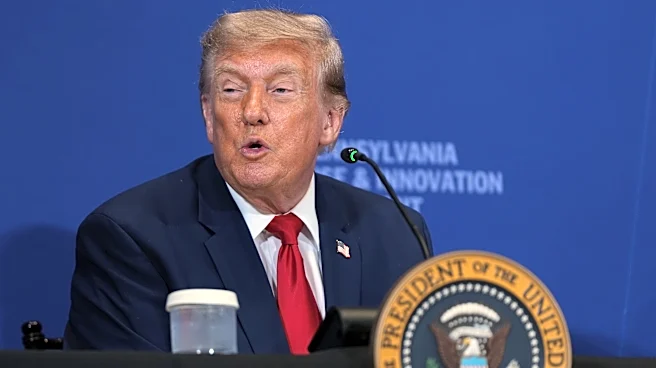
There is no better illustration of this principle than the Iowa caucuses. In 2016, Donald Trump was a media sensation, drawing massive crowds and leading in most polls leading up to the first-in-the-nation contest. Yet, on caucus night, he was defeated by Senator Ted Cruz. How did Cruz do it? He leaned into a traditional, methodical ground game. His campaign built a sophisticated data and field operation with more than 1,500 precinct captains and thousands of volunteers who made tens of thousands of calls in the final stretch. Cruz himself visited all 99 of Iowa's counties, a feat known as the 'Full Grassley.' This intensive, face-to-face retail politics built a dedicated base of supporters who were organized and motivated to show up for the time-consuming caucus process. Trump's campaign, by contrast, relied on his celebrity and large rallies, but lacked the deep organizational infrastructure to turn that enthusiasm into votes on the night.
Why It Works: The Math of Mobilization
The success of a ground game is rooted in simple math. An election is won by those who show up. A highly motivated volunteer can do more than just cast their own vote; they can reliably turn out friends, family, and neighbors. Studies on voter mobilization show that this personal, direct outreach can significantly increase turnout, whereas more impersonal methods like robocalls and online ads have little to no effect. A smaller number of committed supporters who are actively working to get out the vote (GOTV) can be more powerful than a larger pool of passive, unorganized fans. In low-turnout events like primaries and caucuses, this effect is magnified. A few hundred extra voters in key precincts, mobilized by a disciplined local team, can swing an entire election, proving that a well-organized base is often a campaign's most valuable asset.