







The Death of a Superhero Narrative
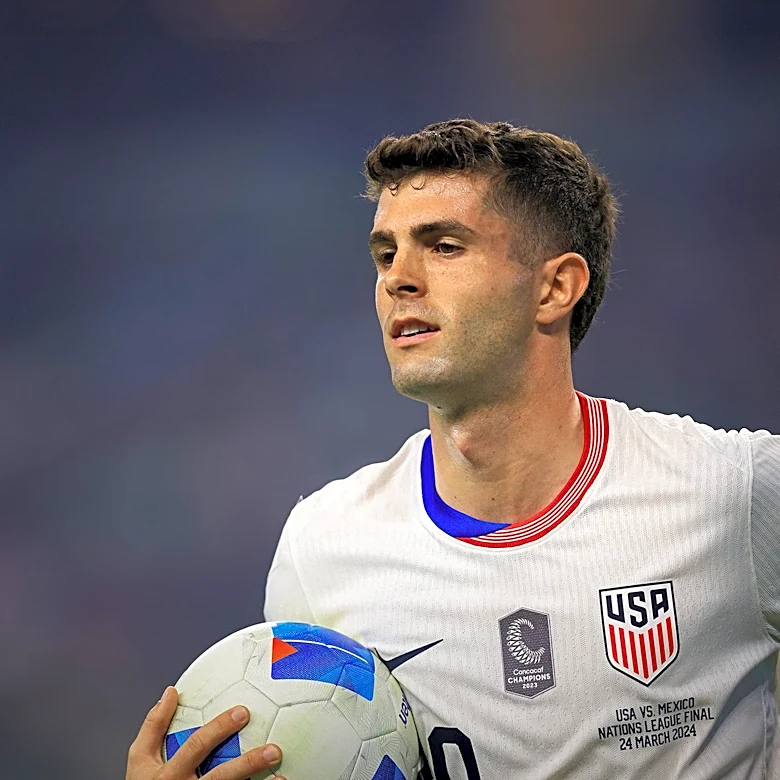
For nearly a decade, the story of the USMNT has been inextricably linked with the promise of Christian Pulisic. He was 'Captain America,' the prodigy from Pennsylvania who would validate American soccer on the world's biggest stage. The 2026 World Cup
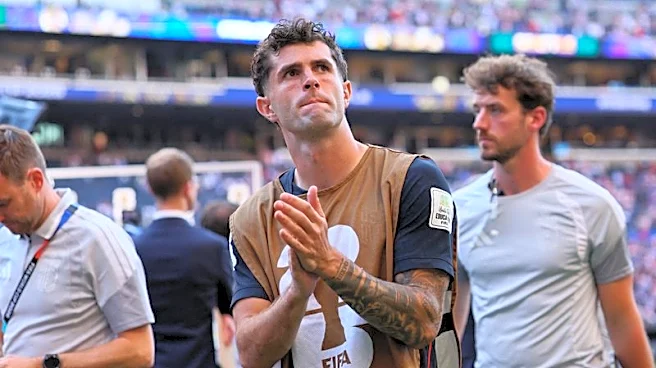
was meant to be the final, glorious chapter. Instead, it was an epilogue written in disappointment. Pulisic ended the tournament with zero goals and just one assist. Hobbled by injuries that limited him to a fraction of the available minutes, he was a ghost when his team needed him most. In the decisive 4-1 Round of 16 loss to Belgium, he was substituted off injured, unable to create a single chance. The turning point wasn't one of heroic triumph; it was the painful realization that a national team's hopes can't rest on one man's shoulders, no matter how talented he is. The narrative of the lone savior died in Seattle.
A Reality Check on Home Soil
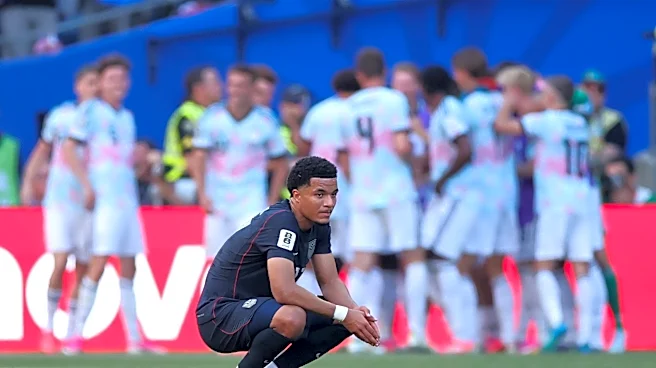
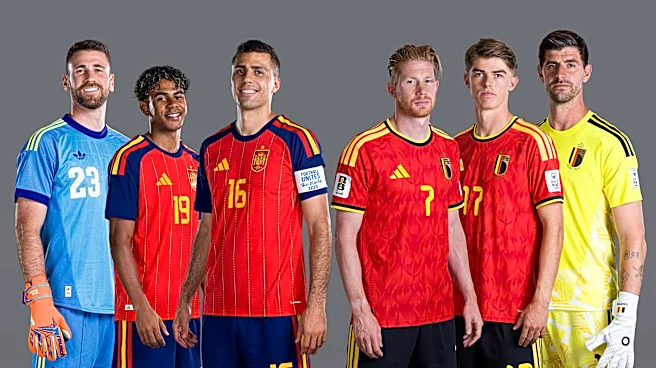
Beyond Pulisic’s personal struggles, the tournament served as a brutal benchmark for the entire program. There were moments of genuine promise. The USMNT won its group for the first time since 2010 and secured a knockout victory against Bosnia and Herzegovina. The wins over Paraguay and Australia fueled national excitement. But the final image of this American campaign was a 4-1 dismantling by a superior Belgian side. The loss marked the fourth straight World Cup where the U.S. has exited in the Round of 16. Doing so at home, with every possible advantage, made the gap between the USMNT and the world's elite feel wider, not narrower. This was the turning point where hype met reality. The dream of a deep, history-making run dissolved into a familiar ceiling, leaving a frustrated fanbase to grapple with the fact that, despite progress, the final step remains a giant leap.
The Turning Point We Didn't See Coming
Yet, to frame this tournament solely as a failure is to miss the other, perhaps more significant, turning point. While Pulisic faltered and the team fell short, America watched like never before. The Round of 16 match against Belgium drew a record 50.1 million viewers in the U.S., the largest audience for a soccer game in the nation's history—even for a blowout loss. Across the country, stadiums were packed and fan fests were overflowing. The World Cup, as a cultural event, was an unprecedented success on American soil. This suggests a different kind of turning point. The growth of soccer in the United States may no longer be contingent on the heroic performance of a single player or even the national team's success. The sport itself, in all its global spectacle, has finally arrived as a mainstream American attraction. The enthusiasm for the event might be the true legacy, proving the game is bigger than one man's story.