





As the air chills and leaves turn, an annual ritual begins: settling in for a favorite Halloween movie. It's more than just habit; it's a cultural phenomenon driven by a powerful mix of nostalgia, psychology, and the simple need to connect.
The Comfort of the Familiar
There's a unique
comfort in rewatching a film you know by heart. Psychologists often point to this as 'experience-taking,' where we can emotionally engage with a story without the cognitive load of processing new information. When you press play on a movie you've seen a dozen times, your brain knows it's in a safe space. This predictability is especially appealing during a season dedicated to the unsettling. Knowing exactly when the jump scare is coming in 'A Nightmare on Elm Street' or reciting the Sanderson sisters' spells along with 'Hocus Pocus' provides a feeling of mastery and control. This sense of comfortable nostalgia is a powerful draw, connecting us to the memory of past viewings and the person we were when we first saw it.
A Modern Autumn Ritual
Humans are creatures of habit, and rituals help us mark the passage of time. Halloween's origins are tied to the ancient Celtic festival of Samhain, a time to mark the end of the harvest and the thinning veil between worlds. In our secular age, annual movie screenings have become a modern version of this seasonal rite. Gathering to watch a horror classic is a way of saying, 'it is now officially spooky season'. These traditions, whether it’s a '31 Nights of Halloween' personal challenge or an annual party centered around 'The Rocky Horror Picture Show', create structure and anticipation. They transform a simple movie night into a meaningful event that anchors our year, connecting us to a tradition much larger than ourselves.
The Thrill of Controlled Fear
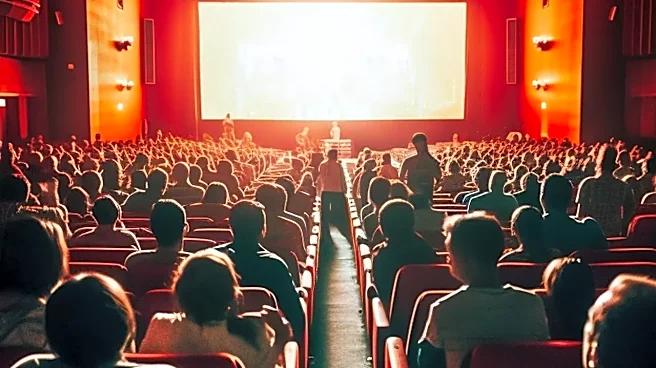
Why do we voluntarily subject ourselves to two hours of terror? Because our brains are smart enough to distinguish between real and fictional danger. When you watch a scary movie, your body might go into fight-or-flight mode, releasing adrenaline and cortisol, but your conscious mind knows you're safe on your couch. This creates what scientists call a 'controlled fear' experience. You get the adrenaline rush without the actual threat. Sharing this experience with others amplifies the effect; a collective gasp or scream in a theater, followed by nervous laughter, builds an immediate sense of community. It's a physical, shared experience that forges bonds, allowing us to process our fascination with the morbid from a safe distance.
Passing the Generational Torch
Halloween movie traditions also serve as a cultural handoff. Introducing a younger generation to the gateway horror of 'Coraline', the slapstick ghosts of 'Beetlejuice', or the genuine terror of 'The Exorcist' is a way of sharing a piece of your own history. These films become shared reference points, inside jokes, and a common language across different age groups. When parents who grew up watching 'Ghostbusters' can share it with their own kids, it creates a powerful nostalgic loop, reinforcing family bonds. This act of curation—of passing down the classics—ensures that these stories, and the traditions built around them, don't just survive, but thrive, creating new memories for the next generation of Halloween enthusiasts.