








A Shifting Corporate Landscape
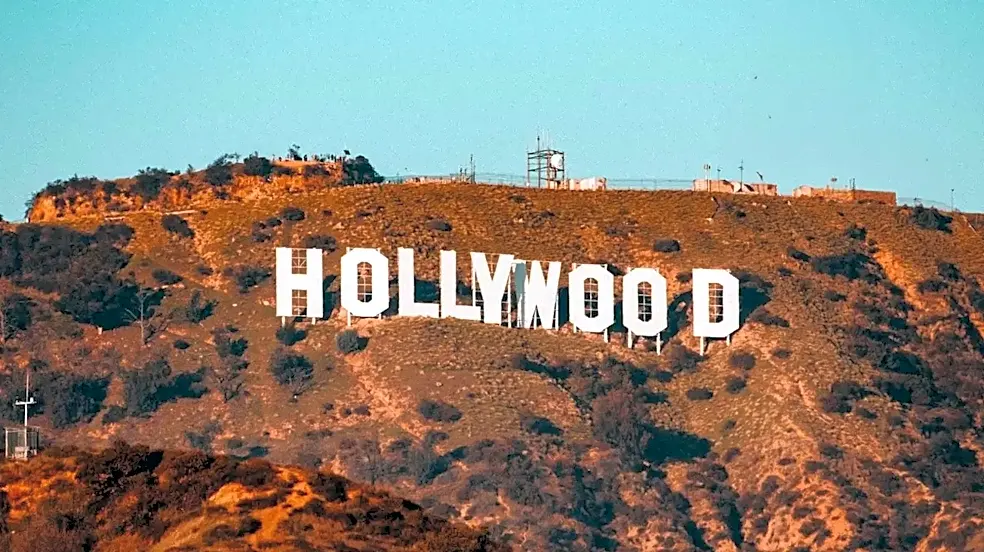
The ground beneath Hollywood is constantly moving, and October 2026 has been a month of seismic shifts. Earlier this month, the massive acquisition of Warner Bros. Discovery by Paramount Skydance was finalized. This $110.9 billion deal creates a new mega-company,
simply called Skydance, fundamentally changing the competitive landscape. While the deal is done, the fallout is not. Mergers of this size inevitably lead to consolidation, strategic pivots, and 'synergies'—a corporate buzzword that often means layoffs and project cancellations. As the new Skydance finds its footing, decisions about which films move forward and which get shelved will have an immediate impact on release calendars. Adding to the drama, on October 20, Legendary Entertainment, the studio behind hits like 'Dune', reportedly made a takeover offer for Lionsgate, the home of 'The Hunger Games' and 'John Wick'. This kind of corporate maneuvering creates uncertainty that ripples through every level of production.
The Ghost of Negotiations Past
While there isn't a major, industry-wide strike looming just before Halloween like in 2023, the deals struck earlier this year still have fresh ink and are being tested. The major guilds—including the actors (SAG-AFTRA), writers (WGA), and directors (DGA)—all secured new contracts in 2026. A key feature of these deals was a shift to four or even five-year terms instead of the traditional three, a move studios pushed for to ensure longer periods of labor stability. However, the core issues from the last strike haven't vanished. The two biggest sticking points were, and remain, artificial intelligence and streaming compensation. The unions won protections requiring producer consent and fair payment for the use of AI to create digital likenesses or generate scripts, but the technology is evolving at a terrifying pace. Everyone is watching to see how these new contract terms are implemented in the real world.
The Streaming Residuals Puzzle
The other major battleground is streaming compensation. The 2023 contracts established bonus structures for shows that become hits on platforms like Netflix and Hulu, but there's still widespread concern that the payments don't truly reflect a show's value. Unlike a movie's box office gross, streaming viewership data is notoriously opaque. This makes it difficult for unions and talent agencies to verify if their members are being compensated fairly when a series becomes a global phenomenon. For Halloween releases, this is particularly relevant. Many horror films and series are released directly to streaming, and how the profits from those subscription-driving hits are shared with the creatives who made them is a multi-billion dollar question that remains a source of tension.
The People Behind the Scenes
It's not just the actors and writers. The International Alliance of Theatrical Stage Employees (IATSE), which represents the vast crews of technicians, artisans, and craftspeople who physically build the sets, design the lighting, and run the productions, are also navigating their own contract complexities. Their current agreement, ratified in 2024, includes staggered wage increases, with the latest taking effect in August 2026. While their negotiations concluded without a strike, their members continue to advocate for safer working conditions and sustainable benefits. The health and pension plans for crew members are a constant focus. Any disruption or dissatisfaction among these essential 'below-the-line' workers can bring a production to a halt just as effectively as a writers' strike. For a film to make its Halloween premiere, every single one of these union contracts must be honored and stable.