






The Real Headliner Wears a Mask
When audiences line up for a 'Halloween' or 'Scream' movie, they aren't there for the latest teen heartthrob or a respected character actor; they are there for Michael Myers and Ghostface. In the horror genre, the villain is the franchise. These characters—Freddy
Krueger, Jason Voorhees, Chucky—are the intellectual property that truly matters. Their menacing presence, signature weapon, and iconic look are what's being marketed. While the human cast is essential to the story, they are often interchangeable, serving as the prey for the main attraction. This flips the traditional Hollywood model on its head. The masked killer or supernatural entity is the consistent element, the brand that guarantees a specific kind of experience for the audience, movie after movie.
The Genius Economics of Fear
The focus on a legacy character creates a uniquely profitable business model. Without the need to pay an eight-figure salary to a marquee movie star, production budgets can be kept remarkably low. The original 'Halloween' (1978) was made for around $325,000 and grossed over $70 million. More recently, 'Terrifier 2' became a viral sensation, turning its tiny $250,000 budget into a stunning $15 million box office haul. This 'low-budget, high-ceiling' formula makes horror one of the most profitable genres in cinema. Studios can invest less, minimizing financial risk, while reaping massive rewards when a film connects with audiences. Franchises like 'Saw' and 'Paranormal Activity' have generated over a billion dollars collectively from relatively modest initial investments, proving that a great scare is a better investment than a big name.
The Comfort of a Familiar Scare
There's a strange comfort in the predictability of these characters. Audiences go to a 'Friday the 13th' movie expecting to see Jason Voorhees creatively dispatching camp counselors, and they are rarely disappointed. This ritual is a huge part of the appeal. It's not about being surprised by who the killer is, but how they will stalk their victims and which 'final girl' will survive. This formula provides a controlled thrill. Viewers can experience the adrenaline rush of a scare from the safety of their theater seat, knowing the basic rules of the game. The legacy character acts as a ghoulish master of ceremonies, guiding them through a familiar but always terrifying experience. It’s less of a story and more of a seasonal rite of passage, especially around Halloween.
When Stars and Slashers Collide
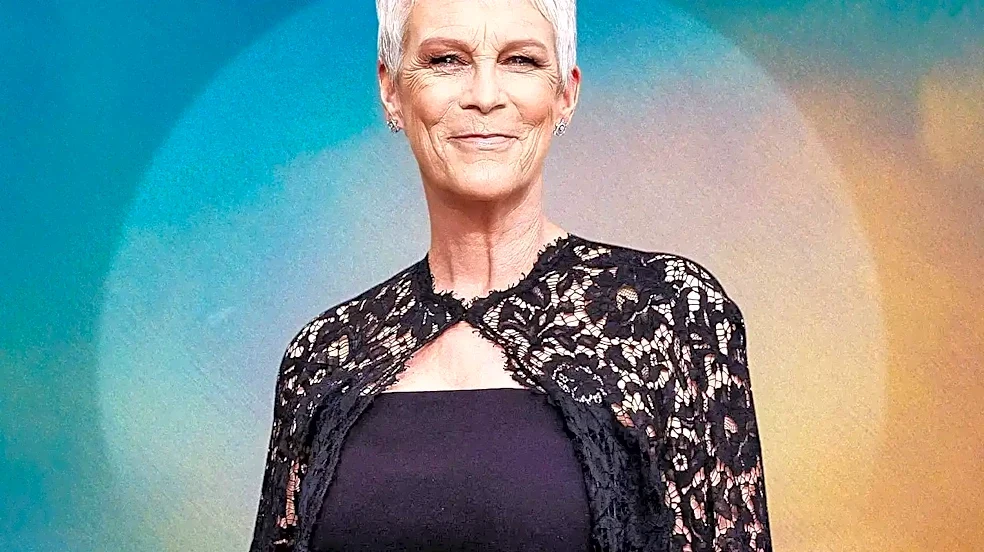
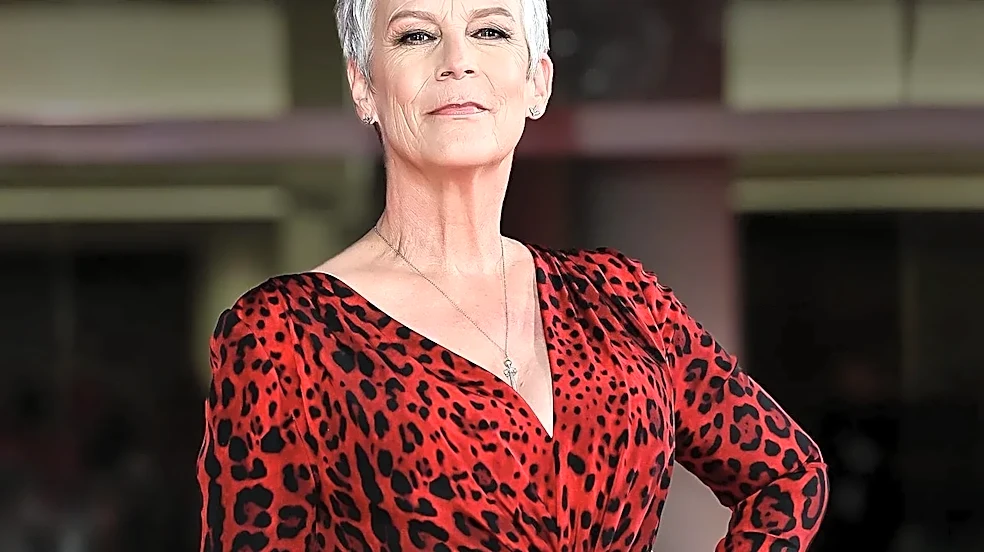
This isn't to say actors don't matter at all. The return of Jamie Lee Curtis as Laurie Strode in the recent 'Halloween' trilogy was a major event, blending nostalgia with a beloved character's final stand and contributing to the films' enormous success. Similarly, the 'Scream' franchise has successfully balanced the ever-present threat of Ghostface with a core cast of returning actors that fans have grown to love, like Neve Campbell and Courteney Cox. In these cases, star power amplifies the legacy character's appeal, turning a guaranteed horror hit into a cultural phenomenon. A known actor can also help launch a new horror property, but once the monster is established, they often become the bigger draw in subsequent sequels.