




The Silent Scream
A trailer tells you what to fear; a great poster makes you imagine it. That’s the fundamental difference, and it’s why posters remain the cornerstone of horror marketing. A two-minute trailer often reveals the monster, explains the premise, and showcases
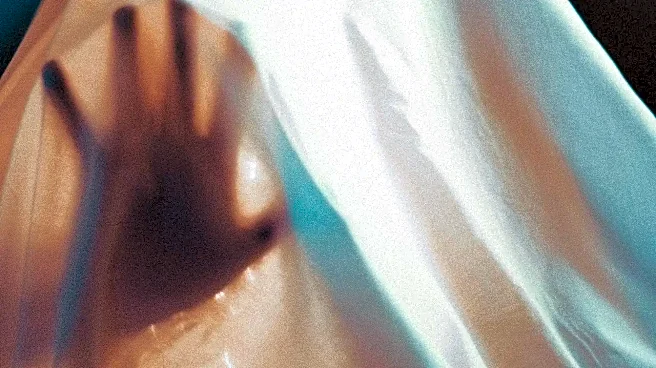
the jump scares. It provides answers. The poster, by contrast, only asks questions. It offers a static glimpse into a world of dread and forces your own mind to create the terror. This act of co-creation is far more potent than passive viewing. The human brain is wired to fill in the gaps, and in horror, what we imagine is always more terrifying than what we can be shown. The poster is an invitation to let your own anxieties do the heavy lifting, making the fear personal before you’ve even bought a ticket. This is the art of selling a nightmare by suggestion, not saturation.
The Visual Language of Fear
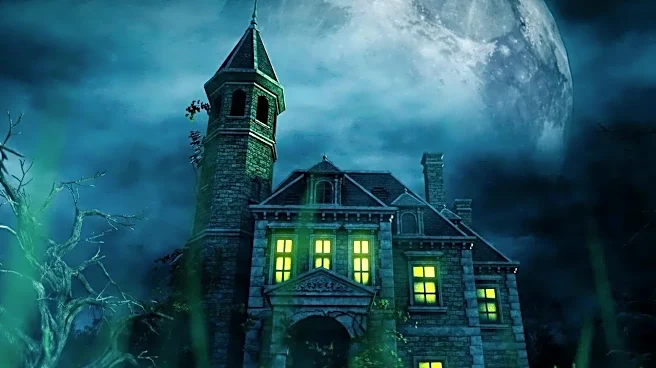
Horror posters speak a universal, primal language built on a few key elements. Color is crucial. Deep blacks evoke the unknown, while stark reds signal immediate danger and violence. This high-contrast palette is a classic for a reason: it's an immediate, subconscious cue for fear. Typography also plays a vital role. Distressed, jagged, or eerily elegant fonts can convey a film's specific subgenre, from a brutal slasher to a gothic ghost story. But perhaps the most powerful tool is minimalism and negative space. Posters for films like "Alien" or "The Exorcist" use vast, empty darkness to create a sense of isolation and atmospheric dread, suggesting the horror is what you can't see lurking just outside the frame. It’s a deliberate restraint that amplifies tension.
Icons Forged in Ink
The most successful horror campaigns are defined by their posters, which become cultural artifacts themselves. Think of the simple, terrifying image for "Jaws": an unsuspecting swimmer, a monstrous shark rising from the depths below. You don't need to see the movie to understand the threat. The poster for "The Silence of the Lambs," with a moth covering Jodie Foster's mouth, is a masterclass in symbolism, hinting at silenced victims and transformation without showing a single drop of blood. More recently, the unnerving, off-center family portrait for "Hereditary" or the serene face with a single tear in "Get Out" communicated psychological terror long before the films became phenomena. These images don’t just sell the movie; they become the movie's enduring visual identity, recognized instantly decades later.
An Enduring Artifact
In the streaming era, the poster's role has evolved but not diminished. It’s no longer just a physical object in a theater lobby; it's the thumbnail on your screen, the social media share, the digital icon that represents the entire film. That first visual handshake is more critical than ever when an audience has infinite choices just a click away. A compelling poster must cut through the digital noise and make an immediate promise of a unique emotional experience. It’s the film's first impression and its lasting legacy, the visual summary that lodges in our collective memory. While trailers are fleeting and quickly forgotten, a truly great horror poster is forever.