



The Ghost in the Closet: The Drape Suit
Before the preppy Ivy League look and the greaser’s jeans-and-leather combo dominated the decade, another style was already on the scene: the drape suit. This wasn’t the conservative suit of the working man. Emerging from the zoot suit of the 1940s, the drape suit featured
a long jacket with broad, padded shoulders and full-cut, high-waisted trousers that tapered sharply at the ankle. It was a look of deliberate exaggeration and flamboyance. For the young men who wore it, the suit was a statement of individuality and a rejection of mainstream austerity. This style, particularly popular in African American and Mexican American communities, was closely tied to the energy of jazz and swing culture. It wasn't just clothing; it was a cultural uniform for a segment of youth determined to be seen and heard.
The Shadow of Rebellion
The drape suit didn't emerge from a vacuum. Its direct ancestor, the zoot suit, was already steeped in controversy. During World War II, the excessive fabric required for a zoot suit was deemed unpatriotic and a violation of wartime rationing rules. This perception fueled social friction, culminating in the infamous "Zoot Suit Riots" of 1943, where American servicemen targeted and attacked minority youths wearing the flamboyant outfits. The style became synonymous with delinquency and anti-establishment sentiment in the eyes of the media and mainstream society. As this aesthetic carried into the early 1950s with the drape suit and the associated "Teddy Boy" culture in Britain, it retained its rebellious edge. It was seen not as youthful exuberance, but as a challenge to social order, linked to street gangs and a rejection of traditional American values.
The Clean-Cut Victory
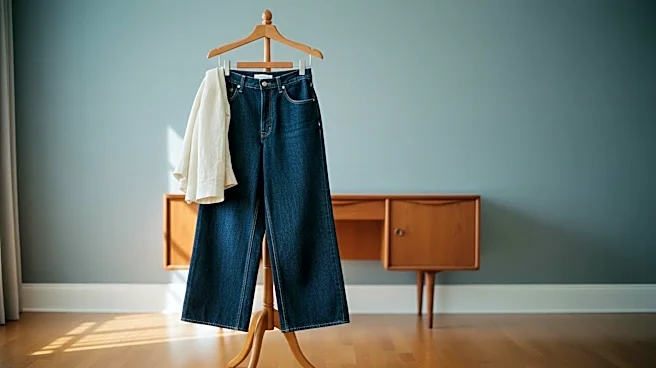
So why did the drape suit fade while the sock-hop aesthetic thrived? The answer lies in a battle for the image of the American teenager. The post-war era was one of rising prosperity but also deep-seated anxiety about social conformity and juvenile delinquency. The drape suit, with its links to minority subcultures and perceived rebellion, was simply too threatening for mass consumption. Instead, two more palatable alternatives emerged and were heavily promoted. The first was the "Ivy League" or "preppy" look: neat, tidy, and aspirational, featuring chinos, button-down shirts, and letterman jackets. It represented a wholesome, collegiate future. The second was the "greaser" look. While also rebellious, its uniform of denim jeans, white t-shirts, and leather jackets—popularized by icons like Marlon Brando and James Dean—was a more stripped-down, individualistic rebellion that was eventually easier for mainstream culture to sanitize and sell.
The Decade's Defining Look
The 1950s was the first time fashion, music, and movies were marketed specifically to the new social category of the "teenager." This new consumer group had disposable income and a desire for its own identity. Mainstream marketers and media chose to champion an image of the teenager that was safe, commercially viable, and overwhelmingly white. The poodle skirt, the twin sweater set, and the saddle shoes were fun and fresh without being subversive. They fit neatly into the era's idealized vision of suburban life and innocent fun. While subcultures like the Beatniks and the remaining drape-suit wearers continued to exist on the fringes, they were overshadowed by the powerful commercial and cultural forces that cemented the preppy and sanitized rock-and-roll styles as the definitive look of the decade.