
The Unspoken Dress Code
It’s a uniform, but not in the institutional sense. It’s a self-selected uniform for the global art elite—gallerists, advisors, collectors, and high-minded curators. While brands and logos vie for attention
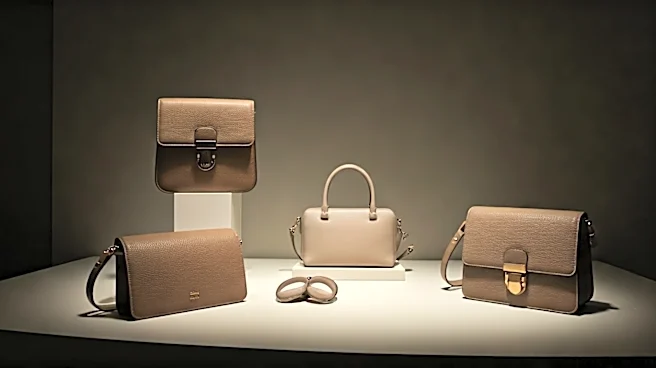
everywhere else, here, one name dominates through its very discretion: The Row. The fashion label founded by Mary-Kate and Ashley Olsen has become the de facto outfitter for the art world cognoscenti. You see it in the drape of a particular coat, the precise cut of a wide-leg pant, and the architectural curve of the now-iconic Margaux bag clutched in hand. There are no screaming logos, no seasonal gimmicks. Instead, there's a shared language of luxurious fabrics and architectural silhouettes, a sartorial code that says everything by saying almost nothing at all.
An Ethos of 'Quiet Luxury'
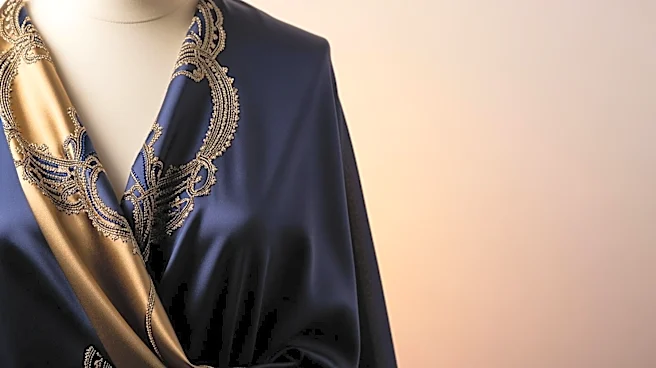
The phenomenon is rooted in the concept of “quiet luxury,” a term that describes a preference for investment pieces characterized by extreme quality and craftsmanship over overt branding. The Row is the undisputed master of this philosophy. The brand’s power lies not in its ability to be recognized by everyone, but in its capacity to be identified by a select few. The price tags are astronomical, but the value isn't communicated through a monogram. It’s communicated through the weight of a cashmere knit, the flawless tailoring of a wool blazer, or the buttery softness of a handbag. For the art world, a subculture that prides itself on discernment and an eye for quality, this ethos is irresistible. Wearing The Row is a form of signaling that is both potent and elegantly subdued. It suggests you have the wealth to afford it but, more importantly, the taste to appreciate its nuance.
Mirroring the Art on the Walls
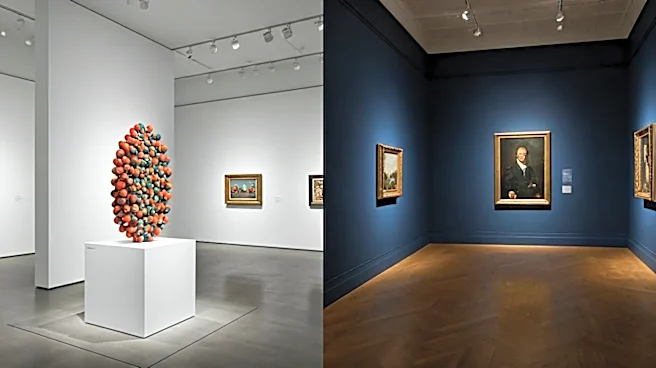
The synergy between The Row and the art world runs deeper than just wealth. The brand’s aesthetic philosophy mirrors the principles of the very art that surrounds its wearers at Frieze. The Row is minimalist, conceptual, and material-focused. It’s the fashion equivalent of a Donald Judd sculpture or an Agnes Martin painting—its power comes from its purity of form, its commitment to an idea, and its rejection of ornamentation. In a gallery setting, an outfit from The Row doesn't compete with the art; it complements it. It positions the wearer not as a passive consumer of luxury goods, but as a serious, thoughtful connoisseur. The clothing acts as a blank canvas, a frame that enhances the wearer’s intellectual engagement with their surroundings rather than distracting from it. This alignment makes the choice feel less like a fashion statement and more like an intellectual one.
A Uniform for Serious People
Ultimately, the appeal is psychological. In a world saturated with fleeting trends and loud influencer culture, The Row offers a kind of aesthetic permanence and seriousness. Its clothes are not designed to be worn for one season; they are designed to be part of a curated life. For someone whose profession involves making multi-million-dollar decisions about art, this projection of timelessness and considered judgment is invaluable. The clothes are armor for a world that values intellect and a trained eye. By adopting this uniform, the art world insider communicates that they are unbothered by the noise of fast fashion and focused on what truly matters: quality, substance, and enduring value. It’s a quiet declaration of belonging to a tribe that operates on a different set of rules, where the ultimate status symbol isn't being seen, but being understood.