



The Donut and the DIY Anarchy
In the late 2000s, Odd Future Wolf Gang Kill Them All (OFWGKTA) crashed the internet with a visual and sonic language that was impossible to ignore. Spearheaded by a young Tyler, the Creator, their aesthetic was a messy, vibrant collision of skate culture,
punk energy, and cartoonish absurdity. At its center was the iconic 'OF' donut logo—a pink-and-yellow emblem with blue sprinkles that was both playful and subversive. This logo, plastered on basic tees and hoodies, wasn't just merch; it was a symbol of their ethos. It represented a rejection of polished, mainstream hip-hop visuals, favoring a hand-drawn, accessible style that felt like it belonged to the fans as much as to the artists. This DIY spirit—seen in their lo-fi music videos, scrawled album art, and Tumblr-fueled rise—built the visual foundation for everything that would follow.
From Wolf Gang to Golf Wang
As Odd Future's influence grew, so did its creative ambitions. In 2011, Tyler, the Creator launched his clothing brand, Golf Wang, a name derived from a playful flip of 'Wolf Gang'. Initially, Golf Wang shared a lot of DNA with Odd Future's merch, featuring bright colors and bold, cartoon-inspired graphics. But it quickly evolved, moving beyond simple logo tees into a more ambitious fashion project. This transition was crucial. Golf Wang became the laboratory where the raw energy of Odd Future was refined. The aesthetic became more deliberate, experimenting with vibrant color-blocking, stripes, and preppy-meets-skatewear silhouettes. It proved that the collective's visual identity could be more than just rebellious graphics; it could be a fully realized, immersive world. This evolution from merch to a standalone brand laid the groundwork for a much larger canvas.
Building a World: The Carnival as a Canvas
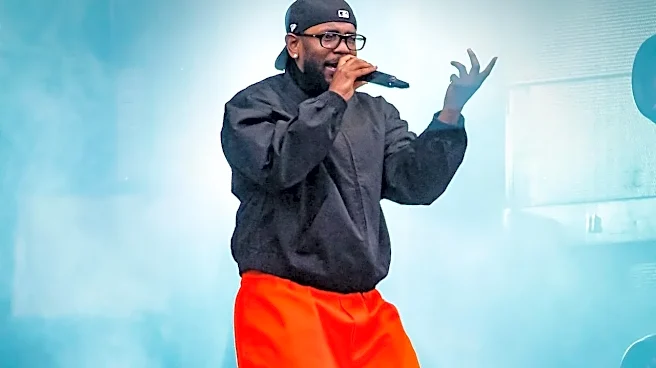
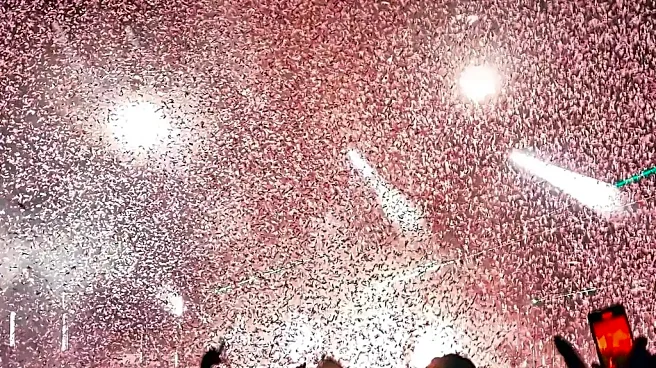
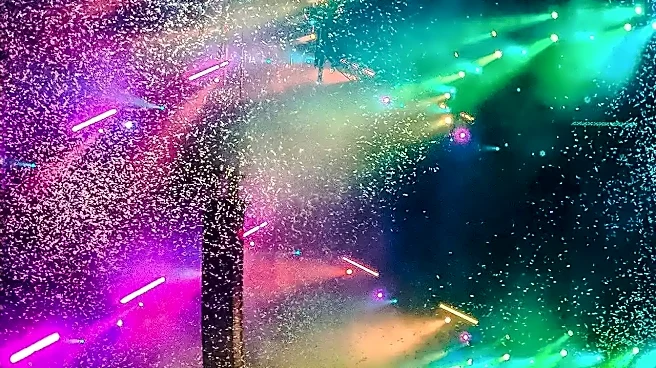
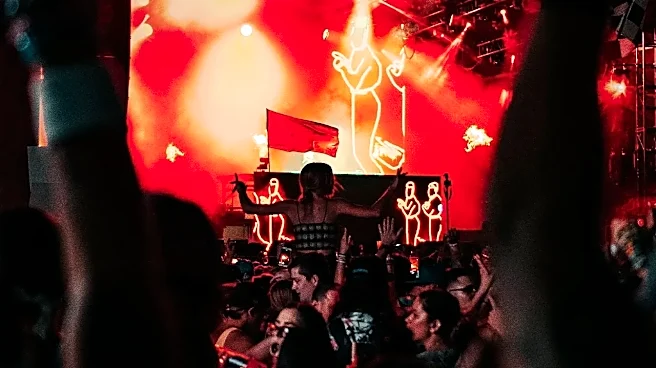
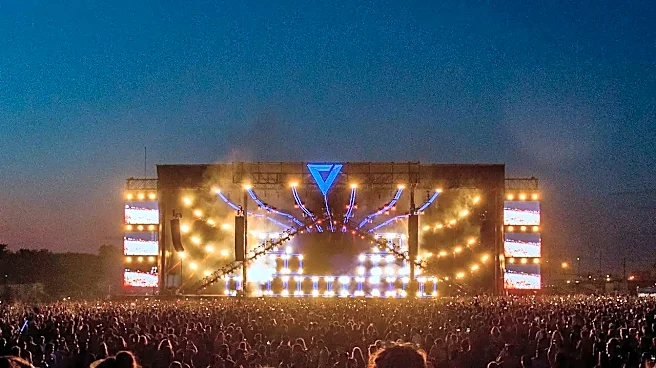
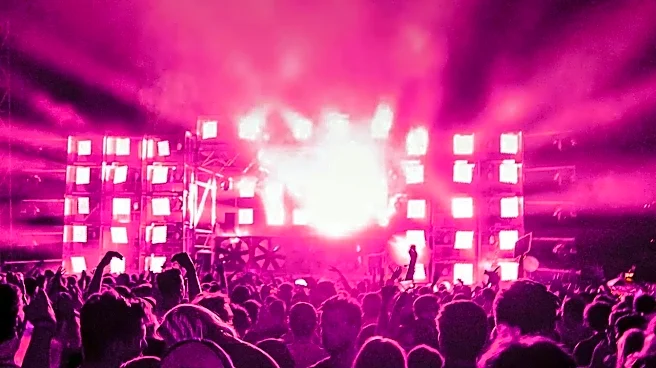
Camp Flog Gnaw, which began in 2012 as the OFWGKTA Carnival in a parking lot, was the logical next step. It was a physical manifestation of the world Tyler had been building for years. The festival's name itself is 'Golf Wang' spelled backward, cementing its connection to the brand and, by extension, to Odd Future. The event isn't just a music festival; it's a carnival, complete with rides, games, and a uniquely curated atmosphere. This distinction is key. The carnival theme provides the perfect backdrop for the Odd Future aesthetic to come to life. The flashing neon lights, the giant Ferris wheel, and the general sense of playful chaos are a direct extension of the visual language established a decade prior. It transforms the abstract ideas of the early Odd Future days into a tangible, explorable space.
The Enduring Motifs: Color, Character, and Whimsy
Today, the influence of Odd Future is woven into the very fabric of Camp Flog Gnaw's design. The festival's branding often features the vibrant, sometimes clashing color palettes that defined Golf Wang and early OF graphics. The whimsical, almost child-like characters and fonts that pop up in promotional materials and on-site installations feel like grown-up versions of the doodles that once filled Odd Future's album covers. Even the stage designs for Tyler's own sets often feel like elaborate, surreal versions of his early music video concepts, from junkyards with cranes to oversized bedroom sets. More than anything, the festival maintains the core spirit of Odd Future: a space that celebrates individuality, creativity, and a healthy dose of weirdness. It's a world built on an idea that Pharrell Williams noted on stage back in 2014: creating a place for 'an odd future' of kids to feel free and be different.