






It’s Not Just a Game, It’s a Story
The most powerful force a celebrity brings to a sporting event isn’t just their fame; it’s a narrative. For millions who don’t know the difference between a tight end and a power forward, the sudden appearance of a globally recognized face provides an entry
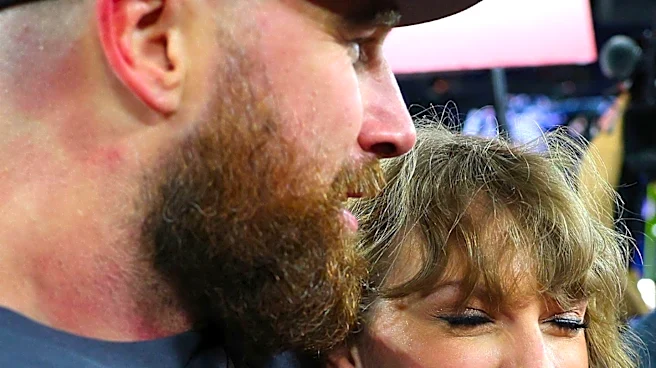
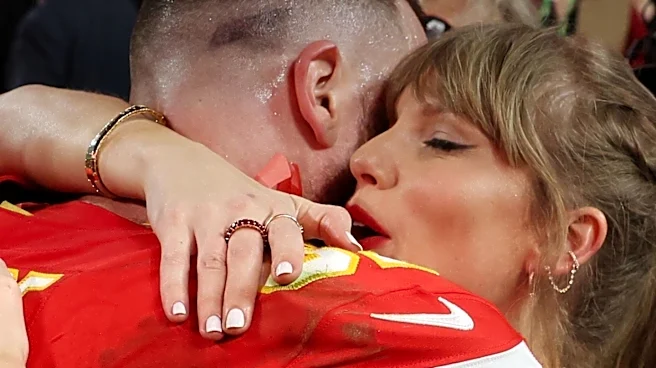
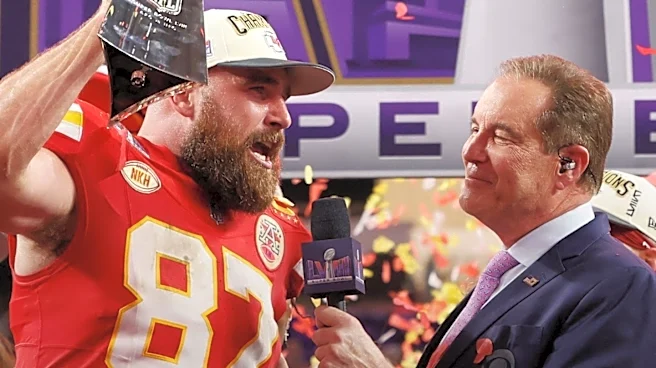
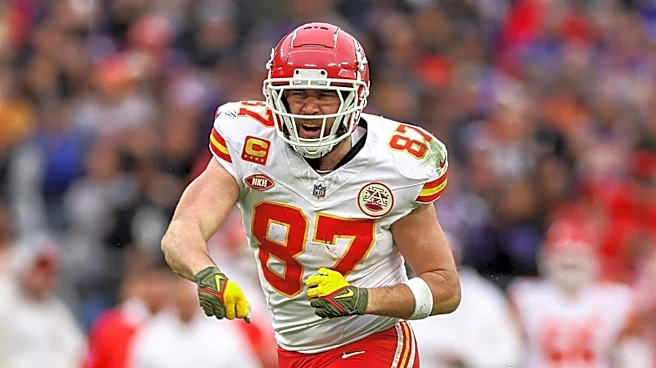
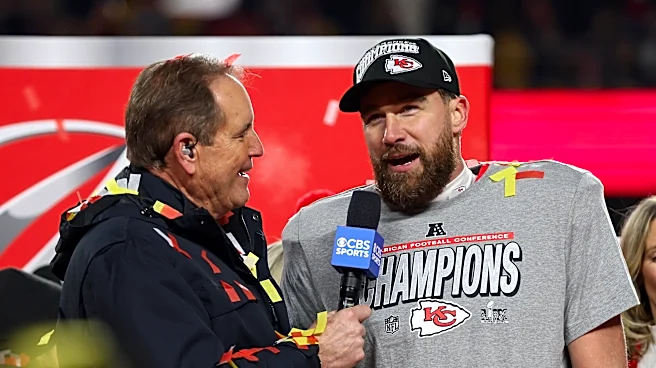
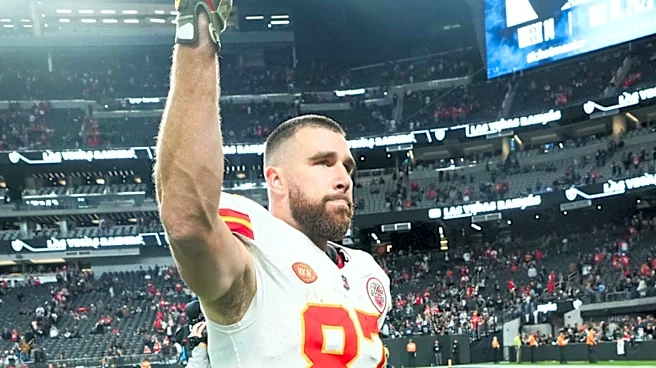
point. The game is no longer just about stats and athletic prowess; it becomes a new episode in a pop culture saga. The recent 'Taylor Swift effect' on the NFL is the quintessential example. Her relationship with Kansas City Chiefs star Travis Kelce transformed games into must-see television for a legion of her fans who might not have otherwise tuned in. The sport itself became the backdrop for a real-life story they were already following, making it instantly accessible and dramatically more compelling. This isn't new—think of Spike Lee's decades-long passion for the New York Knicks or Jack Nicholson’s permanent scowl from his Lakers courtside seat. These figures become characters in the seasonal drama of a team, giving casuals a reason to care beyond the final score.
Borrowing a Feeling
There's a psychological mechanism at play here known as a 'parasocial relationship,' the one-sided bond we form with public figures. We feel like we know them, so their emotional investment becomes a shortcut to our own. When you see a celebrity you admire celebrating a win with genuine joy, it’s easy to feel a flicker of that same excitement. You’re essentially borrowing their fandom. This is especially potent when the celebrity is an official 'Global Ambassador,' like the rapper Drake is for the Toronto Raptors. His very visible, often theatrical support for his hometown team makes the Raptors feel like an extension of his own brand. Fans of his music who may not follow the NBA are given a clear team to root for. The team’s identity merges with the artist's, creating a pre-packaged allegiance. It’s a powerful endorsement that operates on an emotional level, turning passive viewing into active participation by giving the audience a ready-made hero to support.
The Celebrity as Superfan and Villain
But for every fan a celebrity creates, they can also create an antagonist. This is where the dynamic gets truly interesting. If you find a particular celebrity’s persona grating, their passionate support for a team can be all the motivation you need to root passionately against them. Drake's sideline antics, for instance, are beloved in Toronto but are often viewed as irritating by opposing teams and their fans, turning him into a useful villain that fuels the rivalry. The same goes for the immense attention on Taylor Swift; while millions tuned in to support her and the Chiefs, a vocal contingent began rooting against Kansas City precisely because of the non-stop coverage. A celebrity fan polarizes the neutral observer. They raise the stakes from a simple athletic contest to a clash of cultural tribes. You're no longer just rooting against a team; you're rooting against the perceived arrogance, style, or omnipresence of their most famous supporter. It adds a layer of personal rivalry to a game between strangers.
More Than Just Good TV
Leagues and broadcasters are acutely aware of this phenomenon—and they love it. The 'Taylor Swift effect' wasn't just a cultural moment; it was a financial windfall. Her presence was directly linked to a significant spike in female viewership, with increases of over 50% in some younger demographics. Kelce’s jersey sales skyrocketed nearly 400% after she first attended a game, and her association generated what some analysts valued as hundreds of millions of dollars in brand value for the NFL. This isn't just about eyeballs on a single game; it's about audience expansion. Celebrities bring their diverse fanbases with them, introducing a sport to demographics it might have struggled to attract otherwise. They are, in essence, the ultimate influencers, and their authentic passion—or at least the appearance of it—is one of the most effective marketing tools a professional sports league could ask for.