







The Cast of Neighborhood Characters
Every community is its own ecosystem, built on a foundation of shared routines and casual observations. You know the sound of your neighbor’s garage door, the time the kids next door get on the school bus, and the distinct bark of the beagle three houses
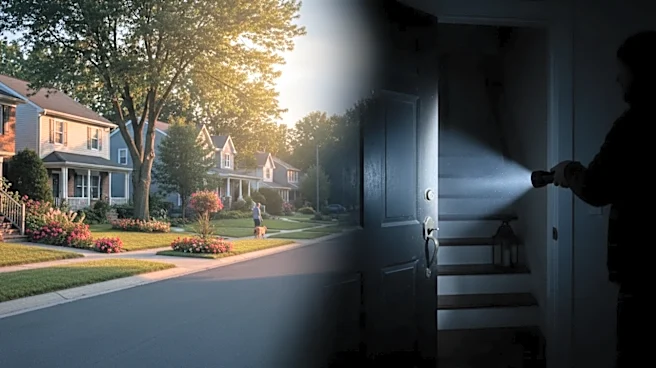
down. This collection of familiar details creates a baseline for normalcy. For decades, this was the essence of the neighborhood watch: residents acting as the informal “eyes and ears” for law enforcement. This collective awareness wasn't about spying; it was about stewardship. Knowing the rhythm of your street meant you could instinctively spot when something was off—an unfamiliar car idling for too long, a stranger at a neighbor’s door when they were supposed to be on vacation. In this context, every resident is a character, playing a predictable role in the unwritten script of daily life.
When the Script Suddenly Flips
The transformation from character to evidence happens in an instant. It’s triggered by the piercing sound of a siren, a frantic post on a community Facebook group, or the sight of yellow tape cordoning off a property. Suddenly, the mundane, half-noticed details of the past 24 hours become critically important. That jogger you waved to this morning—did they see anything? The delivery truck that seemed to linger—was it legitimate? The argument you faintly overheard last night—was it just a spat or something more? In the wake of a crime, law enforcement investigators often rely on this tapestry of neighborhood observations to piece together a timeline. The people you simply coexisted with become a repository of crucial information. Their casual glances and fleeting memories are elevated from background noise to potential leads, turning the entire neighborhood into an impromptu database of human activity.
The Digital Watchtower on Every Doorstep
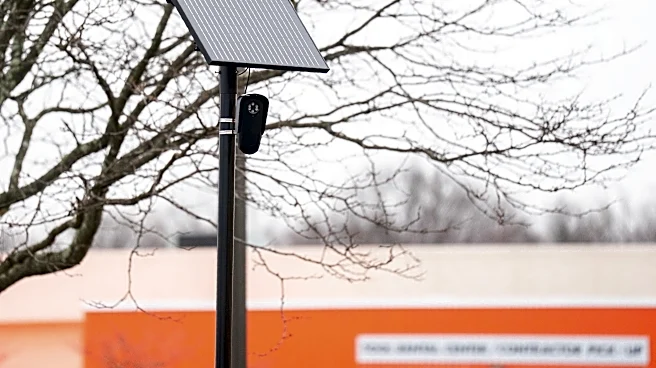
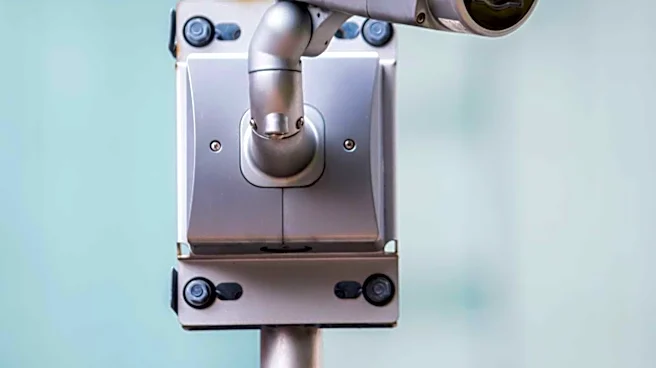
This dynamic has been supercharged by technology. The passive “eyes and ears” of the past have evolved into an active, digital surveillance network. Video doorbell companies like Ring, which is owned by Amazon, have partnered with thousands of police departments, creating a vast web of private cameras that can be used for public investigations. When a crime occurs, police can request footage from residents in the vicinity, turning a collection of private homes into a powerful investigative tool. Simultaneously, apps like Nextdoor and Neighbors function as a digital town square where residents can report suspicious activity in real-time. This digital layer means that a resident’s role as potential evidence is no longer just about what they remember seeing; it’s about what their devices recorded. Your front door doesn't just welcome you home; it logs every person, car, and package that passes by, waiting to be queried.
The Hidden Costs of Constant Vigilance
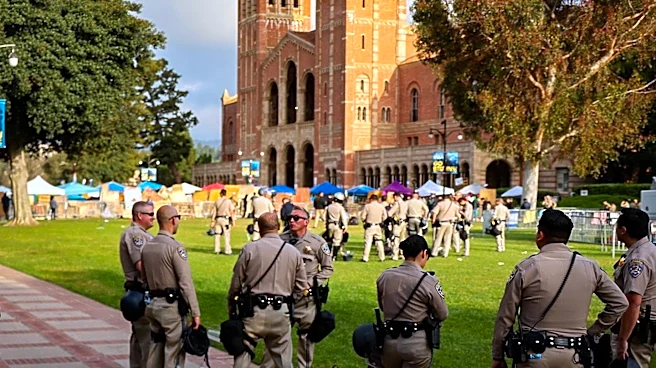
While this technological shift can empower communities and help solve crimes, it comes with significant trade-offs. The constant documentation of neighborhood life raises profound questions about privacy. The footage shared to catch a porch pirate might also inadvertently capture details about a neighbor's private life. Furthermore, platforms that encourage reporting “suspicious” behavior can become breeding grounds for bias, where snap judgments based on race or appearance replace genuine community concern. This can erode social trust, making people feel more fearful rather than safer. In some communities, particularly those with a history of over-policing, the blanket of surveillance feels less like a protective shield and more like an oppressive force. The push for total awareness blurs the line between a connected community and a society of mutual suspicion, where everyone is perpetually under observation.