






An Iconic Sculpture on the Move
Imagine a monumental steel sculpture, a beloved if somewhat weathered piece of San Franciscos extensive public art collection. For years, it has stood in a quiet park near the Sutro Tower, admired by locals but largely hidden from the citys millions of visitors.
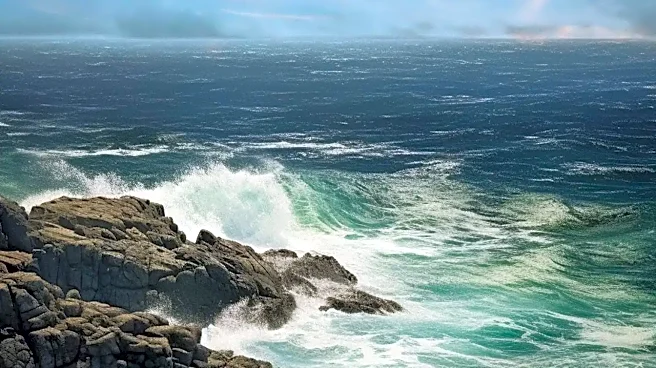
A plan is hatched by the San Francisco Arts Commission (SFAC) to relocate it. The proposed new home: a dramatic bluff at Lands End, where its form would be silhouetted against the crashing waves and the Golden Gate Bridge. Its a visionary proposal, a perfect marriage of art and landscape that promises a new landmark for the city. The artists foundation loves it, community groups voice their support, and it seems like a straightforward win for public culture. The problem isnt the vision; its the price tag and the tangled web of who is responsible for paying it.
The Million-Dollar Price Tag
Moving a massive, multi-ton artwork isnt like calling a couple of guys with a truck. The process is a delicate and wildly expensive logistical ballet. It requires geological surveys of the new site, structural engineers to design a new foundation, and art conservators to ensure the piece isnt damaged. Specialized cranes are needed for both de-installation and re-installation, and the transportation itself requires permits and escorts. According to city contractors, projects involving the transport and installation of priceless art can run into the millions. And thats just the move. Who pays for the inevitable graffiti removal, weather-related maintenance, and liability insurance for the next 20 years? This is where the handshakes stop and the bureaucratic infighting begins.
A Turf War Between Three Agencies
In San Francisco, a project like this sits at the intersection of at least three powerful entities with their own priorities and fiercely protected budgets. First, you have the SFAC, the champion of the project. While it oversees the citys 2% for Art funding program, its own general fund budget has faced cuts, forcing it to use funds meant for artists to cover administrative salaries. They want the art moved but may not have the liquid cash for the whole operation. Next is the Recreation and Park Department, which manages the land the sculpture currently sits on. RPD is notoriously protective of its budget and has been known to cite high maintenance costs as a reason to offload responsibility for public art. Theyll argue that since the art belongs to the SFACs collection, the SFAC should foot the bill. Finally, theres the National Park Service (NPS), which manages Lands End as part of the Golden Gate National Recreation Area. This introduces a federal layer. The NPS policy for its Art in the Parks program is clear: the artist or sponsoring organization is solely responsible for all costs, including maintenance. Theyre happy to host the art but theyre not paying a dime. The result is a stalemate, with each agency pointing fingers and hoping someone else blinks.
The Political Leverage Play
When departments cant agree, the fight often moves to City Hall. Funding for a multi-million-dollar art move must be approved by the Board of Supervisors, where it can easily become a political football. A supervisor might agree to support the funding, but only in exchange for concessions on an unrelated project in their district—a new playground, more street cleaning, or affordable housing funds. Furthermore, the entire ecosystem of public-private partnerships has been destabilized. The recent collapse of the San Francisco Parks Alliance, a major nonprofit fundraising partner for the parks that was caught misusing millions in funds, has made the city wary and left a massive hole in how such projects are often financed. Without a trusted nonprofit to handle donations and manage the project, the city is left to navigate the fiscal and political maze on its own, making the path forward even more treacherous.