





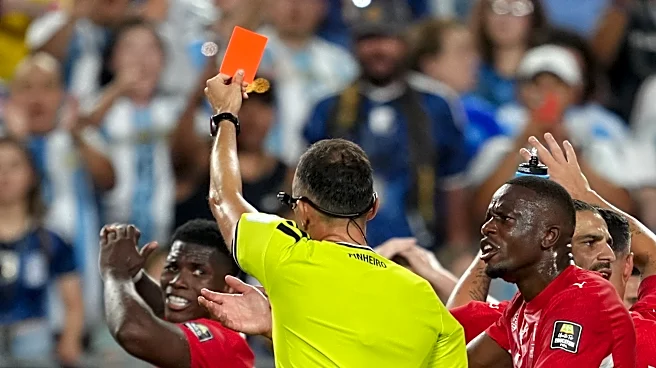



The Anatomy of Digital Heartbreak
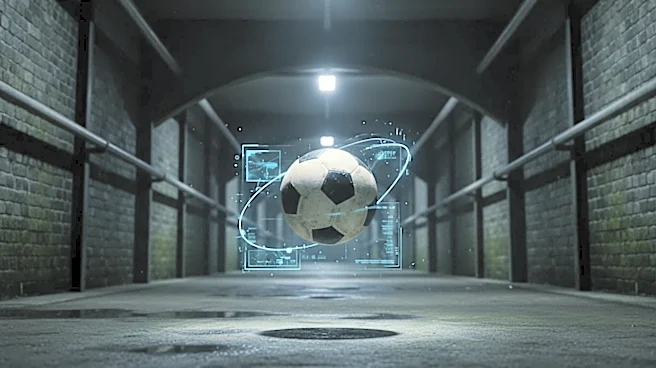
It’s a scene now painfully familiar to any soccer fan. A striker breaks free, the ball hits the back of the net, and a nation erupts. But celebration is provisional. Somewhere in a dark room, officials are using Semi-Automated Offside Technology (SAOT)
to check if a player’s shoulder, knee, or stray toe was fractionally ahead of the last defender. This is the reality of the 2026 World Cup, where technological precision has become both a guarantor of fairness and a thief of joy. We’ve already seen it play out in tense knockout matches, where goals that look perfectly good to the naked eye are erased by digital lines, turning pandemonium into a collective groan. When the stakes are a place in the final and the victim is a tournament favorite, the question isn’t just whether the call was right, but whether the sport is losing its soul in the process.
Not Your Grandfather’s Offside Rule
The offside rule itself is simple in purpose: to prevent attackers from just camping out near the opponent's goal. Its application, however, is anything but simple. For decades, the decision rested on the eyes of an assistant referee sprinting down the sideline. Human error was part of the game’s fabric. The introduction of the Video Assistant Referee (VAR) and now the even more advanced SAOT was meant to end the debate. This new system uses a dozen cameras and sensors in the ball to track 29 points on each player’s body, creating 3D avatars to render an instant verdict. It's faster than the old VAR, reducing agonizing waits from over a minute to around 20 seconds. For the 2026 tournament, the tech was even upgraded to send alerts directly to the linesmen for clear positional offsides, aiming to stop play sooner. Yet, this quest for perfection has created a new kind of controversy: the microscopically correct call that feels emotionally and spiritually wrong.
Ghosts of Tournaments Past
Controversial calls deciding big games is nothing new in World Cup history. Think of Geoff Hurst’s “phantom goal” for England in the 1966 final or the litany of questionable decisions that aided South Korea's stunning run in 2002. Many of these moments, however, were pre-VAR, leaving a permanent cloud of “what if.” Technology was supposed to fix this. Instead, it has created its own legacy of heartbreak. The 2026 tournament has already been rife with VAR-centric drama, from Iran’s group-stage exit on a razor-thin offside call to Egypt’s comeback against Argentina being thwarted by a foul spotted many phases of play earlier. These incidents show that even with advanced tech, the element of subjectivity remains, especially in deciding what constitutes “interfering with play.” The difference now is the cold, clinical finality of the animated replay, which offers a verdict but little satisfaction.
Precision vs. Passion
The core debate surrounding offside technology isn’t really about accuracy—the machines are, for the most part, incredibly accurate. The real issue is the fan experience. A fan survey by the Football Supporters' Association found that 95% of match-going fans felt VAR made the experience less enjoyable, primarily because it kills the spontaneous joy of celebrating a goal. You can't truly lose yourself in the moment if you’re waiting for a computer to give you permission. While the system gets more calls technically correct, fans and even some players question if an attacker being an armpit ahead of a defender is a meaningful advantage that warrants disallowing a spectacular goal. The technology promised perfect justice, but for many, it has delivered a sterile, passionless version of the game where every goal is provisional and every celebration is tinged with doubt.